Opioid Overdose Symptom Checker
Assess a person's condition using the "Classic Triad" of symptoms. Check each box if you observe the sign. This tool provides immediate guidance on whether to administer Naloxone.
Check for Symptoms
The Classic Triad & Vital SignsAwaiting Assessment
Select the observed symptoms on the left and click "Evaluate Condition" to receive immediate guidance.
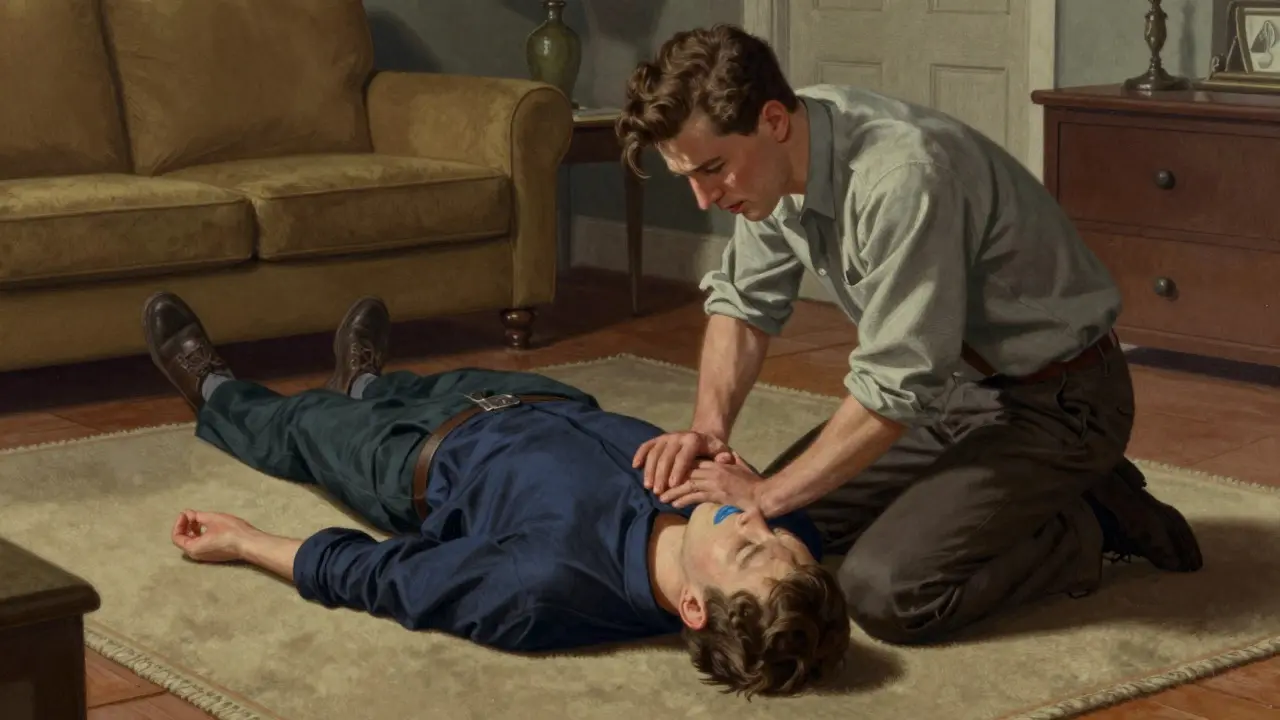
Imagine finding a friend unconscious on the floor, their breathing shallow and lips turning blue. In that moment, you have roughly four to six minutes before irreversible brain damage sets in. This is not a scene from a movie; it is the reality for thousands of families across the United Kingdom and North America every year. An opioid overdose is a life-threatening medical emergency where opioids suppress the respiratory control system in the brainstem, leading to dangerously slowed or stopped breathing. It is often clinically referred to as opioid poisoning. The core issue is simple but deadly: opioids bind to receptors in the brain that regulate breathing signals, interrupting them until oxygen deprivation kills vital organs. Understanding how to spot these signs and act immediately with naloxone is a competitive mu-opioid receptor antagonist that rapidly displaces opioids from brain receptors to reverse overdose symptoms can mean the difference between life and death.
The Classic Triad: How to Spot an Opioid Overdose
You don’t need a medical degree to recognize an overdose, but you do need to know what to look for. Medical professionals rely on a specific set of symptoms known as the classic triad. If you see these three things together, assume it is an overdose until proven otherwise. First, look at the eyes. Pinpoint pupils, medically known as miosis, are a hallmark sign. Second, check for unresponsiveness. Can you wake them by shaking their shoulders or shouting their name? If they don’t respond, that’s a major red flag. Third, listen to their breathing. Is it slow, weak, or absent? You might hear choking, gurgling, or loud snoring sounds instead of normal breaths.
Beyond the triad, pay attention to skin color and temperature. Cyanosis, which appears as blue, purple, or grey lips and fingernails, indicates that the body is starving for oxygen. The person’s skin will likely feel cold and clammy to the touch. Their body may go limp, or in some cases, they might exhibit stiff movements or seizure-like activity. While pinpoint pupils are common, they aren’t always present, so never rule out an overdose just because the eyes look normal. If someone is extremely drowsy, confused, or simply cannot stay awake after taking medication or illicit drugs, treat it as a potential emergency.
Why Fentanyl Changes the Game
The landscape of opioid overdose has shifted dramatically due to synthetic opioids, particularly fentanyl is a potent synthetic opioid that is 50 to 100 times stronger than morphine and often found mixed into other illicit drugs. Since 2013, fentanyl has driven fatality rates to historic levels. In the U.S., the Centers for Disease Control and Prevention reported that approximately 81% of drug overdose deaths involved opioids during the 12-month period ending in May 2023. What makes this dangerous is unpredictability. Many people think they are taking a pill for anxiety or pain, only to find it laced with fentanyl. A pill sold as Xanax might actually contain enough fentanyl to stop your heart. This unknown variable means that even experienced users are at risk, and bystanders must be vigilant regardless of the person's history.
Step-by-Step Emergency Response Protocol
Time is brain. Every minute without oxygen increases the risk of permanent disability. When you suspect an overdose, follow this standardized protocol immediately. Do not wait for more symptoms to appear.
- Call Emergency Services: Dial 9-1-1 (or 999 in the UK) right away. Tell the dispatcher you suspect an opioid overdose. They can guide you while waiting for help.
- Administer Naloxone: If you have naloxone available, give it to the person. Do not hesitate if you are unsure whether it was an opioid overdose. Naloxone has no effect on people who haven't taken opioids and will not cause harm.
- Begin Rescue Breathing: If the person is not breathing normally, start CPR. Focus on chest compressions if you are not trained in rescue breaths, but try to provide breaths if possible.
- Stay Until Help Arrives: Do not leave the person alone. Monitor their breathing and pulse. Be ready to administer a second dose of naloxone if needed.
Dr. Robert Glatter, an emergency physician, emphasizes that irreversible brain damage begins after just four to six minutes of oxygen deprivation. Your quick action buys the time necessary for paramedics to arrive and stabilize the patient.
Naloxone: How It Works and Why It Might Wear Off
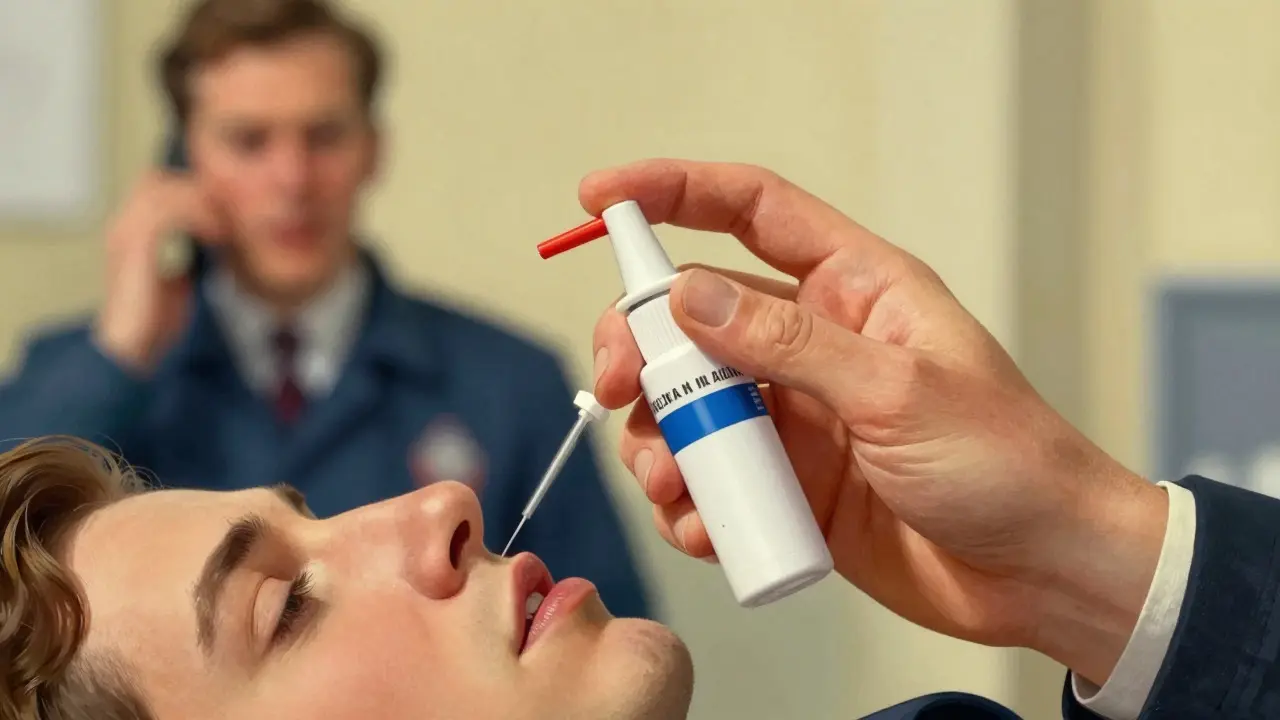
Naloxone, marketed under brand names like Narcan, is the primary emergency treatment for opioid overdose. It works by competing with opioids for space on the brain's receptors. Once it binds, it kicks the opioids off, allowing the brain to resume sending breathing signals. Intranasal sprays are the most common form for laypeople because they are easy to use and require no training. You simply spray it into one nostril. It typically starts working within two to five minutes.
However, there is a critical catch: naloxone has a short duration of action, lasting only 30 to 90 minutes. Many opioids, especially long-acting ones or large doses of fentanyl, can last longer than that. This means the person could start breathing again, seem fine, and then slip back into an overdose once the naloxone wears off. This is why staying with the patient and being prepared to give a second dose is crucial. The CDC stresses that overdoses are preventable through proper recognition and repeated intervention if necessary.
| Feature | Opioid Overdose | Normal Sleepiness/Fatigue |
|---|---|---|
| Pupils | Pinpoint (very small) | Normal size or slightly dilated |
| Responsiveness | Unresponsive to voice/shaking | Wakes up easily with stimulation |
| Breathing | Slow, shallow, gurgling, or absent | Regular rhythm, audible |
| Skin Color | Blue/purple lips or nails (cyanosis) | Normal pink or pale |
| Body Temperature | Cold and clammy | Warm or neutral |
Accessibility and Cost of Naloxone
In the past, getting naloxone required a prescription and cost hundreds of dollars. That has changed significantly. As of 2023, generic intranasal naloxone became widely available, dropping the price from around $130 per two-dose package to between $25 and $50. In many regions, including 49 U.S. states, pharmacists can dispense naloxone without an individual prescription under standing orders. In the UK, access is expanding through community health programs and pharmacies. This shift is part of a broader harm reduction strategy. The goal isn't to encourage drug use, but to ensure that when accidents happen-which they do-there is a tool available to save lives. Community programs like Virginia’s REVIVE! initiative have shown that empowering bystanders with naloxone and training reduces mortality rates. A 2022 study in the American Journal of Public Health found that communities with naloxone distribution programs experienced 14% lower opioid overdose mortality rates compared to those without.
Post-Overdose Care and Prevention
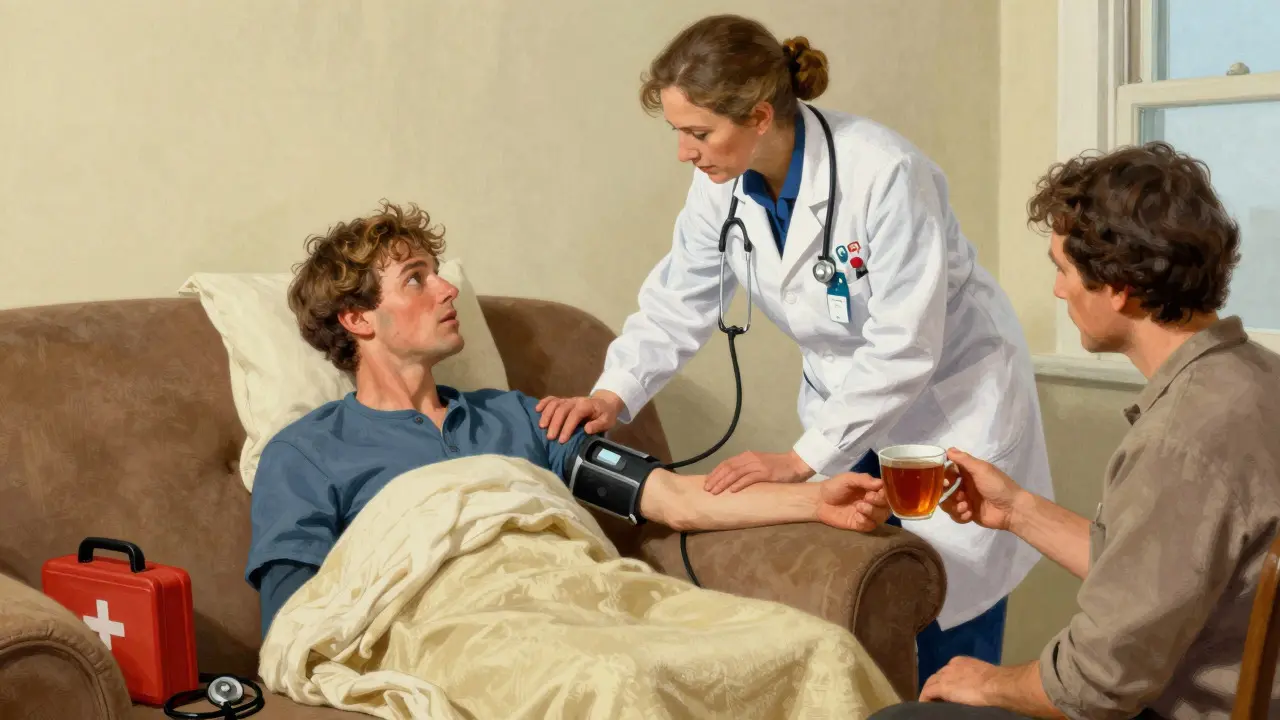
Surviving an overdose is a victory, but the work isn’t done. After the person is revived, they should see a doctor to check for any internal organ damage caused by the lack of oxygen. More importantly, they need a plan to prevent a future overdose. This usually involves a psychological evaluation and access to mental health support. Medication-assisted treatment (MAT) options, such as buprenorphine or methadone, can help manage opioid use disorder safely. Additionally, using fentanyl test strips can help verify what is in a substance before consumption, though they are not foolproof. The key takeaway is that recovery is a journey, and having a support network in place makes all the difference.
Frequently Asked Questions
Can naloxone hurt someone who didn't take opioids?
No. Naloxone only works if opioids are present in the system. If a person hasn't taken opioids, the naloxone will have no effect and will not cause harm. This is why experts recommend giving it even if you are in doubt about the cause of unconsciousness.
How long does naloxone last?
Naloxone typically lasts between 30 and 90 minutes. Because many opioids last longer than this, the person may need a second dose if their breathing slows down again after the initial effect wears off. Always stay with the patient until medical help arrives.
What should I do if the person doesn't wake up after the first dose?
Wait two minutes to see if breathing improves. If there is no improvement, administer a second dose of naloxone. Continue monitoring their breathing and be prepared to perform CPR if their breathing stops completely. Keep calling emergency services for updates.
Are fentanyl test strips reliable?
Fentanyl test strips are a useful harm reduction tool but not perfect. They can detect the presence of fentanyl, but they depend on proper usage and interpretation. A negative result doesn't guarantee safety, as the strip might miss low concentrations or other synthetic opioids. Use them as part of a broader safety strategy.
Where can I get naloxone in the UK?
In the UK, naloxone is increasingly available through community pharmacies, GP practices, and local health boards. Many areas have specific schemes for high-risk groups. Check with your local pharmacy or visit your nearest NHS trust website for current availability and guidance on obtaining it without a formal prescription in some contexts.

olatunde oluranti
August 20, 2026 AT 07:36They want you to think it's just a drug problem, but let's be real for a second. The CDC numbers? Conveniently high. Why is the government pushing naloxone into every pharmacy like it's candy? It's not about saving lives, it's about keeping the workforce functional so they can keep grinding. I saw a 'pill' in my cousin's bag that looked exactly like a Tylenol, and he was out cold for two hours. No one checked his pupils. They just waited. The media says fentanyl is the enemy, but what if the enemy is the supply chain itself? Who benefits when people are too drugged up to notice the water contamination or the new taxes? You spray this stuff in their nose, they wake up, go back to work, and never ask why they were unconscious in the first place. It's a closed loop. The big pharma companies love it because now there's a market for the antidote AND the painkiller. Double dip. And don't get me started on the 'harm reduction' talk. That's just a polite way of saying we've given up on fixing the root cause. We're just band-aiding the symptoms while the system eats us alive. If you look at the data from 2013 versus now, the spike lines up perfectly with the expansion of these community programs. Coincidence? I think not. Keep your eyes open and your naloxone in your glovebox, just in case the 'help' arrives before the truth does.