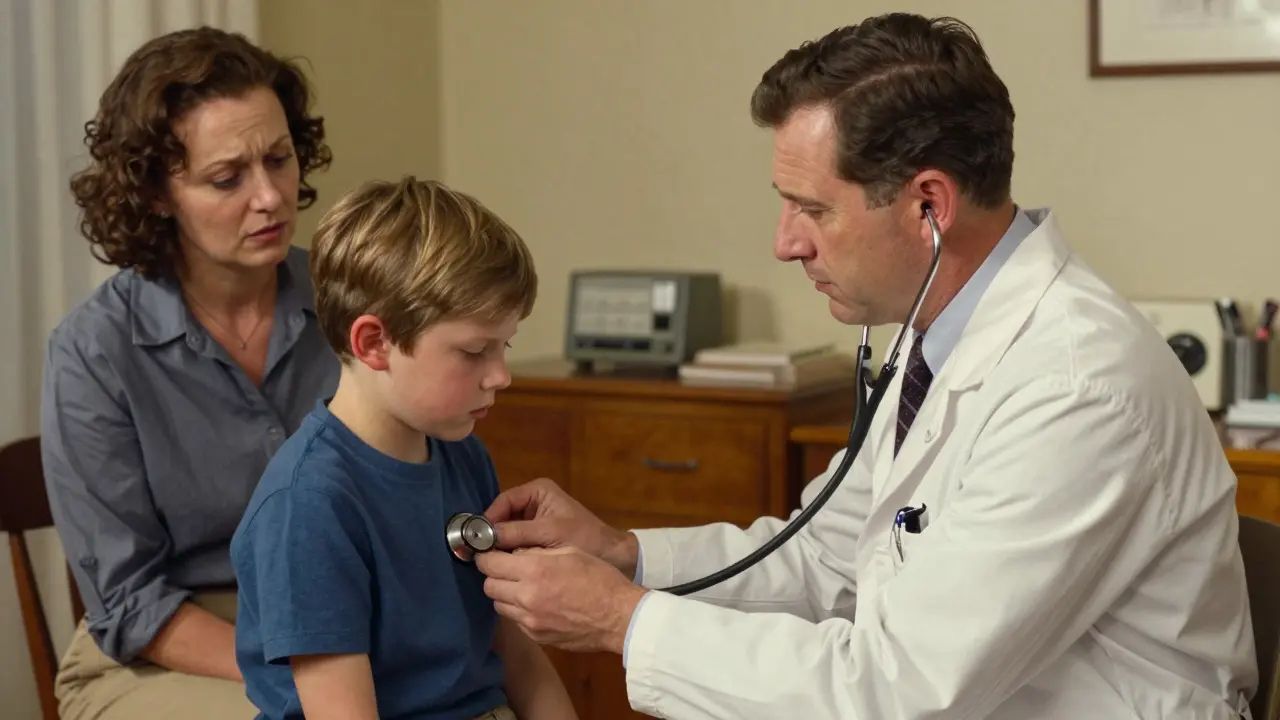
It starts with a cough. Maybe some chest tightness. You feel feverish, maybe even a little blue around the lips if it’s bad enough. Most people assume this is just "the flu" or a nasty cold that won’t quit. But what if it’s pneumonia, an infection that inflames the air sacs in one or both lungs? The problem isn't just knowing you have it; it's knowing what kind you have. Why does it matter? Because treating a viral infection with antibiotics won't help-and might actually hurt your health by building resistance. Treating a fungal infection like it's bacterial could be fatal.
Pneumonia is not a single disease. It is a category of lung infections caused by different germs: bacteria, viruses, and fungi. Each type behaves differently, hits different parts of the population, and requires a completely different treatment plan. Getting the diagnosis right is the difference between a quick recovery and a trip to the ICU.
Bacterial Pneumonia: The Sudden Strike
If viral pneumonia sneaks up on you, bacterial pneumonia kicks down the door. This is the most common form of severe community-acquired pneumonia, accounting for about half of all cases. The usual suspect here is Streptococcus pneumoniae, also known as pneumococcus. It accounts for roughly 12.6% of severe cases in young children alone, according to recent research.
The symptoms hit fast and hard. You’re likely to experience:
- Sudden high fever, often spiking to 104°F (40°C) or higher.
- A productive cough bringing up yellow, green, or even bloody mucus.
- Sharp chest pain that gets worse when you breathe deeply or cough.
- Rapid heart rate and breathing.
- Cyanosis-a bluish tint to your lips or fingernails due to low oxygen.
When you go to the doctor, they will listen to your lungs. In bacterial pneumonia, the sound is often absent on one side because the air sacs are filled with fluid and pus. A chest X-ray confirms this, showing a solid white patch called lobar consolidation. This means one specific lobe of the lung is infected.
Treatment is straightforward but critical: antibiotics. Penicillin or macrolides are typically used for standard cases, while stronger drugs like fluoroquinolones may be needed for atypical bacteria like Legionella pneumophila, which causes Legionnaires' disease. If treated quickly, most people recover fully. If ignored, the mortality rate for hospitalized patients sits between 5% and 7%.
Viral Pneumonia: The Gradual Creep
Viral pneumonia makes up about one-third of all pneumonia cases. Unlike the bacterial version, it doesn't usually start with a sudden crash. Instead, it begins like a bad cold or the flu. You might have congestion, a dry cough, and muscle aches for a few days before your breathing becomes difficult.
The culprits here are viruses like Influenza A and B, Respiratory Syncytial Virus (RSV), and SARS-CoV-2 (the virus behind COVID-19). Influenza alone accounts for 20-30% of viral pneumonia cases during seasonal outbreaks.
Here is how you can tell it apart from bacterial pneumonia:
- Onset: Gradual over 3-5 days rather than sudden.
- Fever: Usually lower grade (100-102°F) compared to the soaring fevers of bacterial types.
- Cough: Typically dry and hacking, not producing thick colored mucus initially.
- X-Ray: Shows diffuse interstitial infiltrates. Instead of one solid white patch, the infection looks like a hazy spread across both lungs.
Because it’s viral, antibiotics do nothing. The treatment is supportive care: rest, fluids, and oxygen if needed. In specific cases, antivirals help. For example, oseltamivir (Tamiflu) works against influenza if taken early, and remdesivir has been used for severe COVID-19 cases. However, there is a dangerous twist: viral pneumonia weakens your lungs, making them a perfect breeding ground for bacteria. About 25-30% of severe influenza cases develop a secondary bacterial superinfection, often with Streptococcus pneumoniae or Staphylococcus aureus. This double-hit is what often lands elderly patients in the hospital.
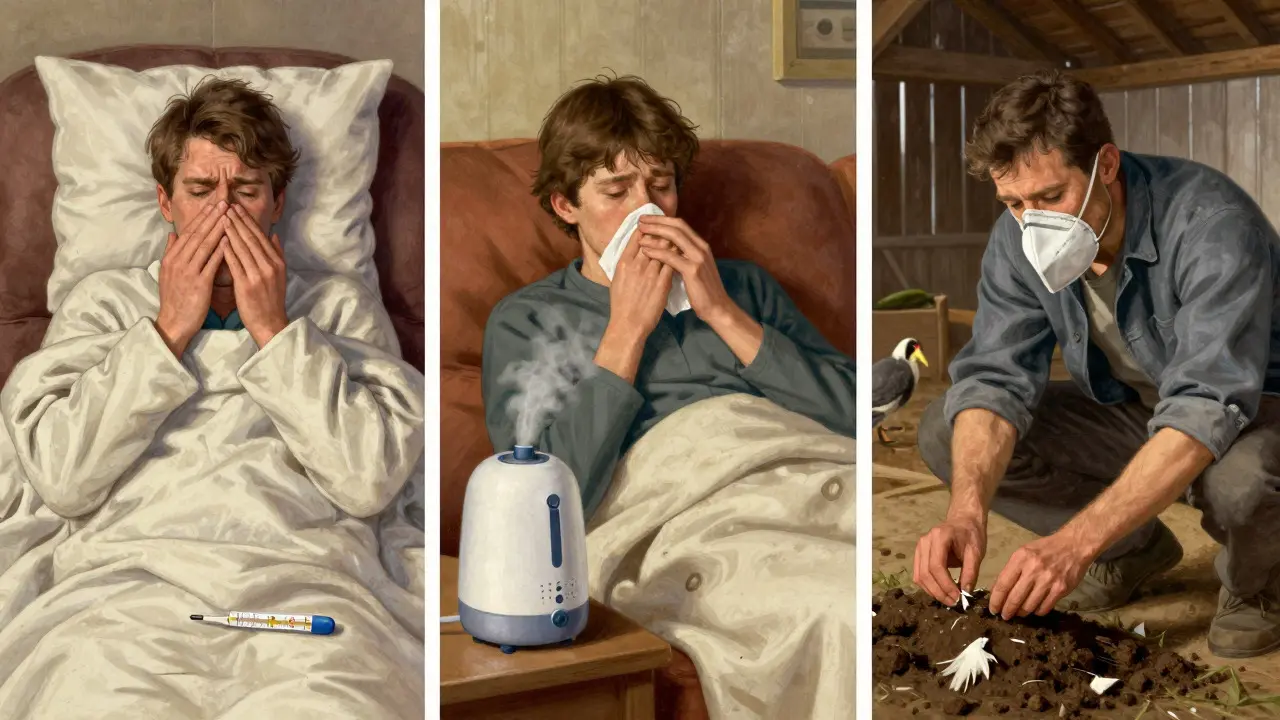
Fungal Pneumonia: The Silent Threat
Fungal pneumonia is rare in healthy people, representing less than 5% of cases. But for those with weakened immune systems-such as people with HIV/AIDS, organ transplant recipients, or those on chemotherapy-it is a major threat. It is also linked heavily to environment and occupation.
You don't catch fungal pneumonia from another person. You inhale spores from the environment. Farmers working near bird or bat droppings have 3.5 times higher risk. Landscapers digging into soil have a 2.8 times higher risk. Construction workers exposed to dust are also vulnerable.
The main fungal pathogens in the United States include:
- Coccidioides species, causing Valley fever. It affects about 20,000 people annually in endemic areas like the Southwest US.
- Histoplasma capsulatum, causing histoplasmosis. Up to 65% of residents in endemic areas show evidence of exposure.
- Blastomyces dermatitidis, causing blastomycosis.
Diagnosis is tricky because the symptoms mimic bacterial and viral pneumonia: fever, cough, chills, and sometimes nausea or diarrhea. Standard tests often miss it. Doctors need specialized cultures or antigen tests. Treatment requires antifungal medications, such as amphotericin B for severe cases or azoles for maintenance. Without proper treatment, the mortality rate in immunocompromised patients can reach 10-15%.
How to Tell Them Apart: A Comparison
Distinguishing between these types is crucial for correct treatment. Misdiagnosing viral pneumonia as bacterial leads to unnecessary antibiotic use, which contributes to antimicrobial resistance. Here is a breakdown of the key differences:
| Feature | Bacterial | Viral | Fungal |
|---|---|---|---|
| Common Causes | Streptococcus pneumoniae, Haemophilus influenzae | Influenza, RSV, SARS-CoV-2 | Coccidioides, Histoplasma, Blastomyces |
| Onset | Sudden | Gradual (3-5 days) | Variable, often chronic |
| Fever | High (102-105°F) | Low to Moderate (100-102°F) | Variable |
| Cough | Productive (colored/bloody sputum) | Dry, hacking | With phlegm, sometimes GI symptoms |
| X-Ray Appearance | Lobar consolidation (one white patch) | Diffuse interstitial infiltrates (hazy both lungs) | Varies, often nodular or cavitary |
| Treatment | Antibiotics | Supportive care, Antivirals | Antifungals |
| Mortality Rate (Hospitalized) | 5-7% | 3-5% (up to 9% for flu in elderly) | 10-15% (immunocompromised) |
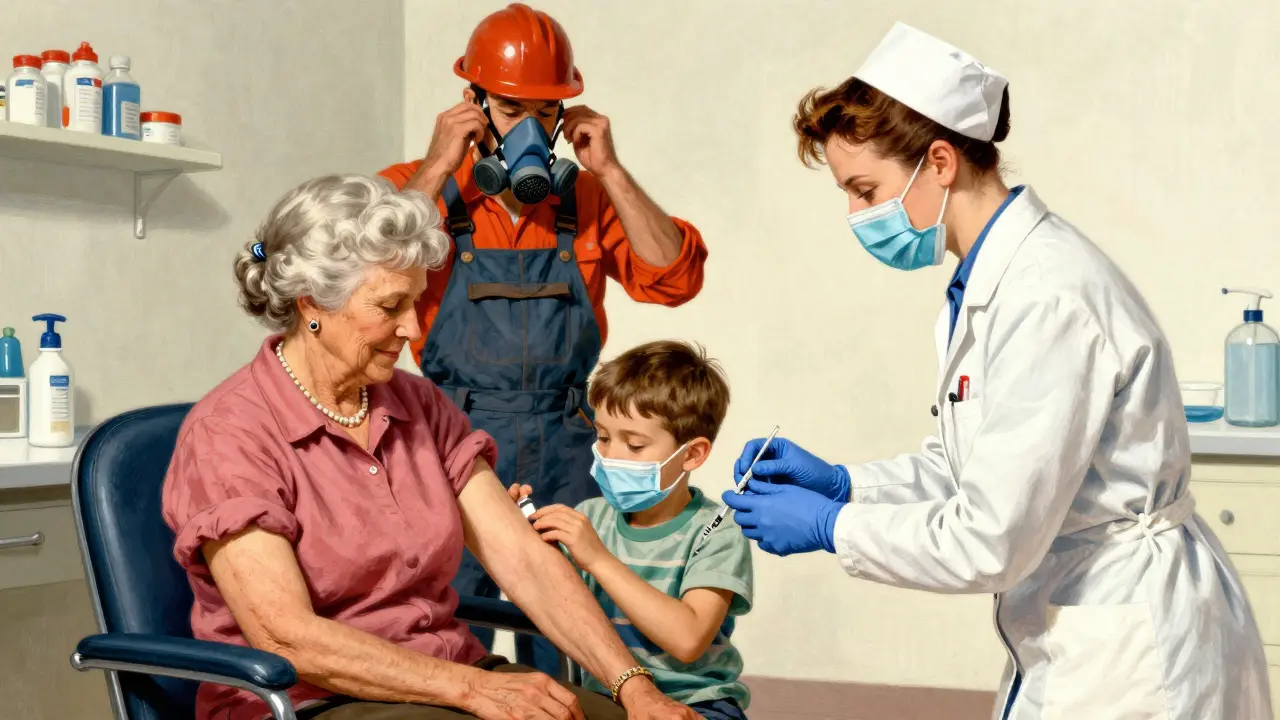
Prevention: Vaccines and Environment
You can’t avoid every germ, but you can significantly lower your risk. Prevention strategies differ depending on the type of pneumonia.
For bacterial pneumonia, vaccines are your best defense. The pneumococcal vaccine series, starting in infancy, reduces rates by 60-70% in children. For adults, especially those over 65 or with chronic conditions like COPD or diabetes, the vaccine is essential. Despite its effectiveness, only about 68% of eligible adults get vaccinated, leaving millions vulnerable.
For viral pneumonia, annual flu shots reduce pneumonia risk by 40-60% during well-matched seasons. COVID-19 vaccines have shown similar protective effects, reducing pneumonia risk by up to 90% in the months following vaccination. Good hygiene-washing hands, wearing masks in crowded spaces during peak virus season-also helps block transmission.
Fungal pneumonia prevention is about environmental awareness. If you work in farming, landscaping, or construction in endemic areas (like the Ohio and Mississippi River valleys for Histoplasmosis, or the Southwest for Coccidioides), wear N95 respirators when disturbing soil or cleaning out barns. Reducing exposure to bird and bat droppings is key.
When to See a Doctor
Don't wait until you're gasping for air. Seek medical attention immediately if you experience:
- Difficulty breathing or shortness of breath.
- Chest pain that worsens with breathing.
- Persistent fever above 102°F that doesn't respond to medication.
- Confusion or disorientation (especially in older adults).
- Coughing up blood.
Early diagnosis allows doctors to use tools like PCR-based multiplex panels, which can identify over 20 respiratory pathogens from a single sample with high accuracy. This rapid identification ensures you get the right treatment-antibiotics, antivirals, or antifungals-without delay.
Can you have both bacterial and viral pneumonia at the same time?
Yes, this is called co-infection. It is more common than you might think. Often, a viral infection like the flu damages the lining of the lungs, making it easier for bacteria like Streptococcus pneumoniae to invade. This secondary bacterial infection is often more severe than either condition alone and requires treatment for both pathogens.
Is fungal pneumonia contagious?
No, fungal pneumonia is generally not contagious from person to person. You cannot catch it from someone else. Instead, you contract it by inhaling fungal spores from the environment, such as from soil, bird droppings, or decaying organic matter. This is why it is often linked to specific occupations or geographic regions.
Why do doctors prescribe antibiotics for pneumonia if it might be viral?
In many cases, they shouldn't, but misdiagnosis is common. Without advanced testing like PCR panels, it can be hard to distinguish bacterial from viral pneumonia based on symptoms alone. Doctors may prescribe antibiotics "just in case" to prevent a secondary bacterial infection, though this practice is being discouraged to fight antimicrobial resistance. Accurate diagnostic testing is improving this situation.
Who is at highest risk for severe pneumonia?
The highest risk groups include children under age 2, adults over 65, smokers (who have 2.3 times higher risk), and people with chronic conditions like COPD, heart disease, or diabetes. Immunocompromised individuals, such as those with HIV or undergoing cancer treatment, are particularly vulnerable to fungal and severe bacterial forms.
How long does it take to recover from pneumonia?
Recovery varies by type and severity. For mild viral or bacterial pneumonia, improvement may be seen within a week, but full energy levels can take weeks or even months to return. Severe cases requiring hospitalization may have a longer recovery period. Fungal pneumonia often requires prolonged antifungal therapy lasting several months.
