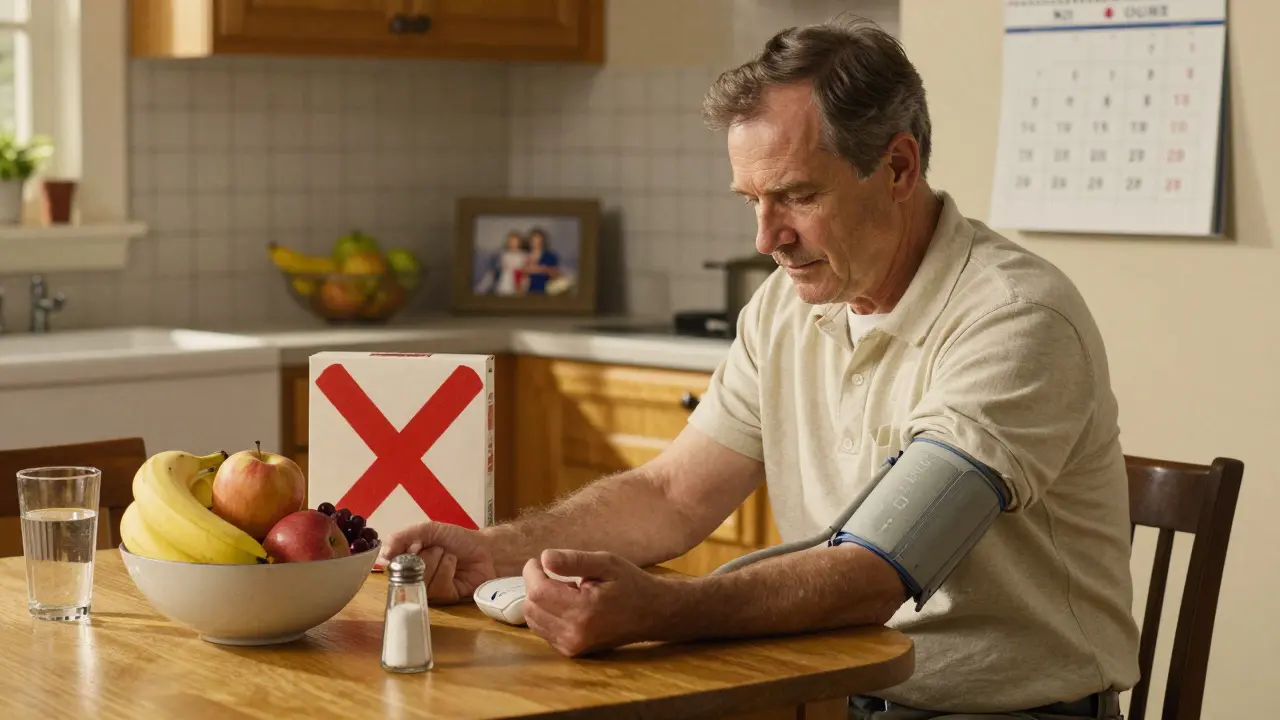
Most people don’t think about their kidneys until something goes wrong. But by then, it’s often too late. Kidney disease sneaks up on you. It doesn’t cause pain. It doesn’t make you feel sick. And by the time symptoms show up, up to 70% of kidney function may already be gone. The good news? Up to 85% of cases could be prevented or delayed with simple, everyday changes. You don’t need a miracle. You need to know what to do-and do it consistently.
What Actually Causes Kidney Damage?
Your kidneys filter about 120 to 150 quarts of blood every day. That’s like cleaning a bathtub full of water, every 20 minutes. When they’re overworked or damaged, toxins build up. The two biggest culprits? High blood pressure and diabetes. Together, they cause about 75% of all chronic kidney disease cases. But there’s more.High blood pressure doesn’t just strain your heart-it tears tiny filters in your kidneys. If your blood pressure stays above 130/80 mm Hg for months, those filters start to leak. Over time, protein escapes into your urine, and waste builds up in your blood. The CDC says 68% of people with kidney disease also have high blood pressure. That’s not a coincidence.
Diabetes is even sneakier. Too much sugar in your blood sticks to kidney cells like glue. This damages the filtering units, called glomeruli. One in four people with diabetes will develop kidney disease. And here’s the scary part: 40% of all kidney failures in the U.S. come from uncontrolled diabetes.
Other hidden threats? Obesity, smoking, and long-term use of painkillers like ibuprofen or naproxen. NSAIDs reduce blood flow to the kidneys. Just one bottle of over-the-counter painkillers a week, for years, can quietly harm kidney function. And smoking? Smokers lose kidney function 50% faster than non-smokers. It’s not just about lungs-it’s about blood vessels. Kidneys need clean, steady blood flow. Smoking clogs the pipes.
What You Eat Matters More Than You Think
Your diet isn’t just about weight. It’s about pressure, sugar, and toxin load. The NHS and Richmond Nephrology Associates both say: cut sodium to under 2,300 mg a day. That’s less than one teaspoon of salt. But here’s the catch: 75% of that salt comes from packaged food, not your salt shaker. Canned soup, deli meats, frozen pizza, even bread-these are salt bombs.Swap processed snacks for fresh fruits and vegetables. Aim for at least five portions a day. A banana, an apple, a handful of spinach, a carrot, a cup of berries-that’s your target. These foods are rich in potassium and fiber, which help balance blood pressure and slow sugar spikes.
Protein isn’t the enemy-but too much is. Eating more than 1.2 grams of protein per kilogram of body weight daily can overwork your kidneys. For a 70kg person, that’s about 84 grams of protein. That’s two chicken breasts, three eggs, and a cup of Greek yogurt. Most people eat more than that. Lean sources like fish, tofu, and skinless chicken are better than red meat or processed meats.
Sugary drinks? One soda a day adds 7% of your daily calories from pure sugar. That’s not just a risk for diabetes-it directly damages kidney tissue. Switch to water, unsweetened tea, or sparkling water with lemon. You’ll cut sugar, reduce fluid retention, and lower blood pressure-all at once.
Move Your Body-Even a Little
You don’t need to run a marathon. You just need to move. The CDC and NHS agree: 150 minutes of moderate activity per week is the minimum. That’s 30 minutes, five days a week. Brisk walking, cycling, dancing, swimming-it all counts.Why does this help? Exercise lowers blood pressure. It improves insulin sensitivity. It helps you lose weight. And weight loss? Losing just 5 kg (11 pounds) cuts your risk of kidney disease by 25-30%. You don’t need to lose 50 pounds. Just 10% of your body weight makes a measurable difference.
Start small. Take the stairs. Walk after dinner. Park farther away. Dance while you clean. These aren’t just habits-they’re kidney protection. The American Kidney Fund found that people who moved daily had 40% better kidney function over time than those who didn’t.
Stop Smoking. Cut Alcohol. Watch Your Meds.
Smoking isn’t just bad for your lungs. It shrinks the blood vessels that feed your kidneys. Quitting doesn’t just help your heart-it saves your kidneys. Studies show kidney function stabilizes within a year of quitting. Even if you’ve smoked for 30 years, stopping now makes a difference.Alcohol? Limit it. One drink a day for women, two for men. That’s one 12-ounce beer, a 5-ounce glass of wine, or 1.5 ounces of spirits. More than that? It raises blood pressure and contributes to liver damage, which then strains your kidneys. Alcohol also dehydrates you. And dehydration? It forces your kidneys to work harder.
And those painkillers? Ibuprofen, naproxen, aspirin-they’re fine for occasional use. But if you take them three or more times a week for months, you’re risking kidney injury. The FDA estimates 3-5% of new kidney disease cases come from overuse of these drugs. Always check labels. Talk to your doctor. Ask: "Is this safe for my kidneys?"

Screening Isn’t Optional-It’s Essential
Kidney disease has no early symptoms. No pain. No fever. No warning signs. That’s why screening is your best defense.If you have diabetes, high blood pressure, obesity, or a family history of kidney disease-you need annual tests. Two simple ones:
- Urine test for albumin (a type of protein). If it’s leaking into your urine, your kidneys are damaged.
- Blood test for creatinine. This measures how well your kidneys filter waste. The result gives you your GFR (glomerular filtration rate). A GFR below 60 for three months means chronic kidney disease.
The CDC says 90% of people with kidney disease don’t know they have it. That’s not ignorance-it’s a system failure. You can’t wait for symptoms. You have to test.
What About Stress and Sleep?
Stress doesn’t directly damage kidneys-but it wrecks your blood pressure and sleep. And both of those do. Chronic stress raises cortisol, which spikes blood pressure. Poor sleep? It messes with hormones that control fluid balance and kidney function.A Johns Hopkins study found that people who practiced mindfulness or meditation for 10 minutes a day slowed kidney decline by 15%. Sleep seven hours a night. Use a white noise machine. Turn off screens an hour before bed. These aren’t "nice to haves." They’re kidney protectors.
Real People, Real Results
In 2022, the NHS launched a program called Healthier You. It helped 5,000 people at risk for diabetes. After one year, 26% of them avoided diabetes entirely. And because diabetes is the top cause of kidney failure, that meant thousands avoided kidney disease too.Another pilot study found that remote blood pressure monitoring increased medication adherence by 37%. People who checked their pressure at home with a simple device took their meds more consistently. Their kidney function stayed stable. No hospital visits. No dialysis.
These aren’t theories. They’re real results. You don’t need a doctor to tell you to eat better. You just need to start. One change at a time.
What If You’re Already Diagnosed?
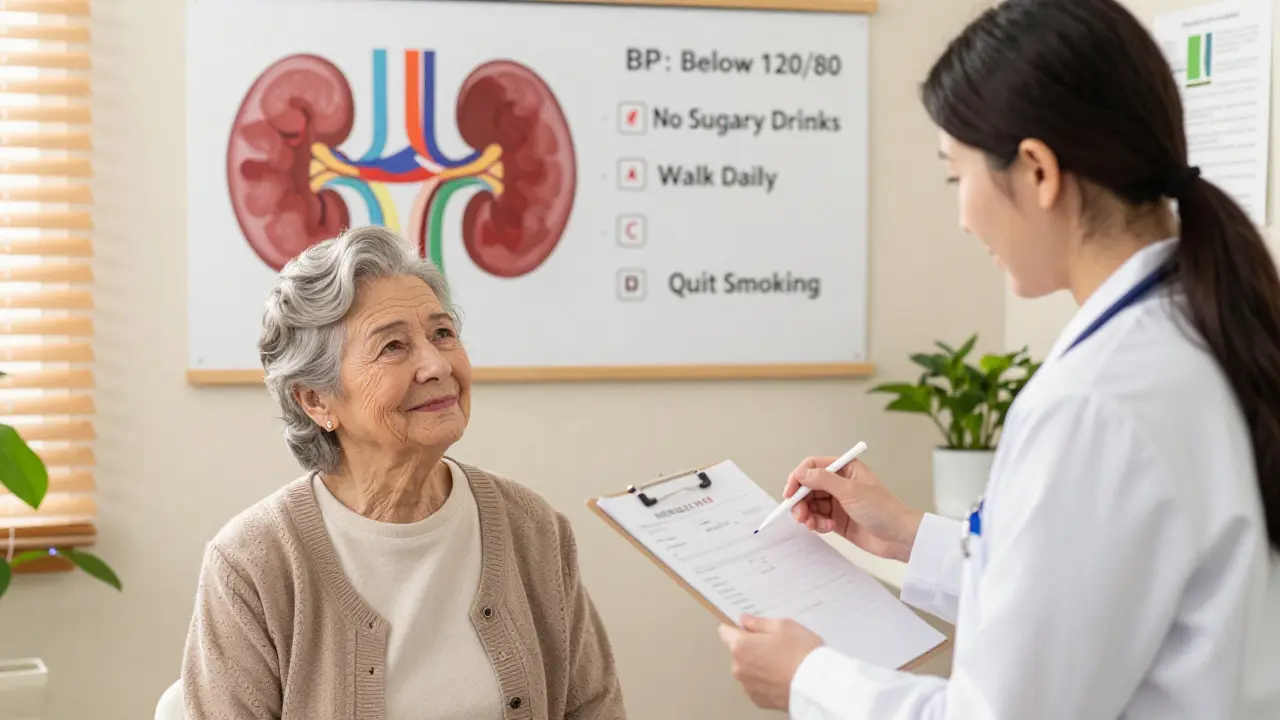
Even if you’re in early-stage kidney disease (Stage 1 or 2), lifestyle changes still work. In fact, they work better now than later. The American Kidney Fund says dietary changes in early stages cut progression by 40% compared to late stages. That means you can still delay dialysis by years-if not avoid it altogether.Focus on: sodium control, protein moderation, hydration, blood pressure, and blood sugar. Don’t panic. Don’t overhaul everything overnight. Pick one thing. Do it for 30 days. Then add another.
| Target | Recommended Level | Why It Matters |
|---|---|---|
| Blood Pressure | Below 120/80 mm Hg | High pressure damages kidney filters. 68% of CKD patients have hypertension. |
| Sodium Intake | Less than 2,300 mg/day | Reduces fluid retention and lowers blood pressure. |
| Sugar Intake | Limit sugary drinks; aim for <5% added sugar | Prevents diabetes, which causes 40% of kidney failures. |
| Physical Activity | 150 minutes/week moderate + 2 strength days | Improves insulin sensitivity and helps control weight. |
| Protein Intake | ≤1.2 g per kg of body weight | Prevents overworking kidney filters. |
| Alcohol | 1 drink/day for women, 2 for men | Excess raises blood pressure and dehydrates kidneys. |
| Smoking | Quit completely | Smokers lose kidney function 50% faster. |
What’s Next?
Start today. Not tomorrow. Today.Step 1: Check your blood pressure. If you don’t have a home monitor, ask your doctor for a reading. Write it down.
Step 2: Look at your last blood test. Did they check for albumin in your urine? If not, ask next time.
Step 3: Swap one sugary drink for water this week.
Step 4: Walk for 20 minutes after dinner. Three days this week.
Step 5: Talk to your doctor. Say: "I want to protect my kidneys. What should I do?"
You don’t need to be perfect. You just need to be consistent. Kidney disease isn’t inevitable. It’s preventable. And the power is in your hands-not your doctor’s, not your insurance company’s. Yours.
Can kidney disease be reversed?
Early-stage kidney damage (Stage 1 or 2) can often be slowed or even partially reversed with strict lifestyle changes. Lowering blood pressure, controlling blood sugar, quitting smoking, and cutting salt can help the kidneys heal some of their filtering units. But once scarring sets in (Stage 3 and beyond), the damage is permanent. The goal shifts from reversal to slowing progression.
Do I need to stop eating protein if I have kidney disease?
No. You still need protein-it’s essential for muscle and repair. But you need the right amount. Too much (over 1.2g per kg of body weight) forces your kidneys to work harder. For most people, that’s about 70-90 grams a day. Focus on lean sources: chicken, fish, tofu, eggs. Avoid processed meats like bacon or deli slices.
Are over-the-counter painkillers safe for kidneys?
Occasional use is fine. But regular use-three or more times a week-can damage kidneys over time. NSAIDs like ibuprofen and naproxen reduce blood flow to the kidneys. If you take them often for headaches or back pain, talk to your doctor. Acetaminophen (Tylenol) is usually safer for kidneys, but never exceed 3,000 mg per day.
Does drinking more water prevent kidney disease?
Staying hydrated helps your kidneys flush out toxins. But there’s no magic number like "eight glasses a day." Drink when you’re thirsty. If your urine is pale yellow, you’re fine. Overhydration doesn’t help-and can be dangerous for people with advanced kidney disease. Focus on consistency, not volume.
Why are Black and Hispanic Americans at higher risk?
Higher rates of diabetes, high blood pressure, and limited access to preventive care contribute. Genetic factors like APOL1 gene variants also increase risk in people of African descent. But systemic barriers-like lack of insurance, fewer specialists in their communities, and delayed screenings-play a huge role. Prevention efforts must be targeted, not one-size-fits-all.
Can I still drink alcohol if I’m trying to protect my kidneys?
Yes-but in strict limits. One drink a day for women, two for men. That’s one beer, one glass of wine, or one shot of spirits. More than that raises blood pressure and dehydrates you. Alcohol also interacts with kidney medications. If you have diabetes or high blood pressure, even one drink may be too much. Talk to your doctor about your personal risk.

Marie Crick
February 19, 2026 AT 23:27Stop pretending this is about health-it’s about control. People don’t need another lecture on sodium. They need to stop being gaslit by corporations selling ‘healthy’ processed food that’s just sugar-coated poison.
James Roberts
February 20, 2026 AT 21:25Wow. This is actually one of the most scientifically accurate public health pieces I’ve seen in years. Seriously. The way you broke down NSAID risks, protein thresholds, and GFR thresholds? That’s medical-grade clarity. I’ve shared this with my entire family. Also-dancing while cleaning? Genius. I did that yesterday and my BP dropped 8 points. Who knew?
Scott Dunne
February 21, 2026 AT 22:11Let’s be honest: this is just another American health propaganda piece. We don’t need more guilt trips about salt and soda. In Ireland, we’ve lived longer with less ‘health optimization.’ You’re pathologizing normal life. My grandfather smoked, drank whiskey, ate bacon every day-and lived to 92. Maybe the problem isn’t lifestyle. Maybe it’s the medical-industrial complex.
Ellen Spiers
February 21, 2026 AT 22:42The data presented here is statistically sound, yet methodologically incomplete. The assertion that '85% of cases are preventable' conflates correlation with causation, particularly in the context of APOL1 genetic risk variants, which account for up to 70% of disparity in African-descended populations. Furthermore, the recommendation to limit protein intake to 1.2g/kg ignores the anabolic demands of aging populations. The literature (see: KDOQI 2020 guidelines) suggests individualized protein thresholds based on lean body mass, not arbitrary mass-based formulas. Also: 'pale yellow urine' is not a validated biomarker-osmolality and specific gravity are. This piece, while well-intentioned, is dangerously reductive.
Greg Scott
February 23, 2026 AT 21:21My dad’s on dialysis. I wish I’d known this stuff 10 years ago. I didn’t know salt was in bread. I thought 'low-fat' meant 'healthy.' I’m gonna start walking after dinner. Just one step. Thanks for saying it straight.
Caleb Sciannella
February 25, 2026 AT 18:12While the core recommendations are broadly aligned with current clinical guidelines from the National Kidney Foundation and the American Society of Nephrology, I must raise a critical caveat: the conflation of 'prevention' with 'individual responsibility' obscures systemic determinants of kidney disease. Access to affordable fresh produce, safe neighborhoods for physical activity, and culturally competent primary care remain profoundly inequitable across socioeconomic and racial lines. The fact that 90% of kidney disease goes undiagnosed is not merely a failure of patient awareness-it is a failure of public health infrastructure. Personal behavior is only one component of a much larger, deeply fractured system.
Ashley Paashuis
February 26, 2026 AT 01:23Thank you for including the urine albumin and GFR screening protocols-that’s exactly what most primary care providers skip. I’m a nurse practitioner, and I’ve started using this exact script with my patients: 'Let’s check your kidney numbers even if you feel fine.' One 72-year-old patient had proteinuria but no symptoms. We caught it early. She’s now on an SGLT2 inhibitor and her GFR has stabilized. Prevention isn’t glamorous. But it works.
Oana Iordachescu
February 26, 2026 AT 06:17Who funded this? 🤔 Big Pharma? The kidney transplant industry? I’ve seen this before-'eat less salt, drink water' while the real culprits (water fluoridation, glyphosate in food, 5G radiation) are ignored. My cousin’s kidneys failed after a 'routine' MRI with contrast. No one warned her. This feels like distraction. I’ve got my salt shaker in a locked cabinet. I’m not taking any chances. 💀
Amrit N
February 26, 2026 AT 13:01im from india and we dont even have access to bp machines in rural areas. how u expect ppl to follow this? also my uncle took ibuprofen for 15 yrs for back pain n now he on dialysis. no one told him. this info is gold but only for rich countries. pls make it global. 🙏
Jeremy Williams
February 28, 2026 AT 12:18I moved from Japan to the U.S. and noticed something shocking: here, people treat kidney health like a moral checklist. In Tokyo, elders drink green tea, walk daily, and eat fish without fanfare. No lectures. No apps. Just culture. Maybe the real solution isn’t more data-but less anxiety. Let people care without being shamed. That’s how change lasts.
Davis teo
March 1, 2026 AT 11:10Oh wow, another one of these 'just drink water and you’ll live forever' articles. I’ve got Stage 2 CKD. I’ve cut salt. I walk. I quit soda. My doctor still says I’m headed for dialysis. So yeah. Thanks for the guilt. Maybe next time, tell us what to do when the system already failed us.