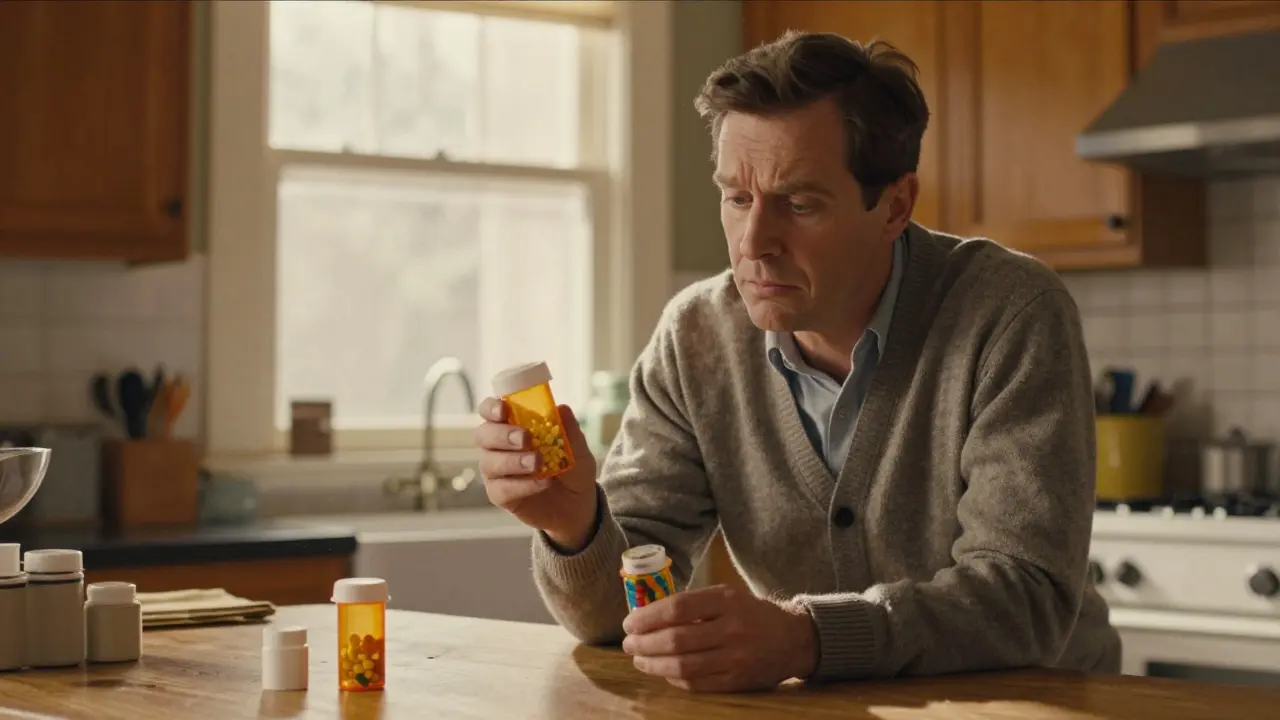
You pop a pill for your blood pressure in the morning and a multivitamin at night. It feels harmless, maybe even healthy. But what if that vitamin is quietly sabotaging your prescription? You aren't alone in this routine. About three out of four adults in the U.S. take dietary supplements while also on prescription meds. The problem? Most people don't realize they are mixing chemicals that can cancel each other out or turn dangerous.
We often think "natural" means safe. That is a myth that gets people hurt every year. Supplements are not regulated like drugs. They don't need to prove they work or are safe before hitting the shelf. This gap leaves you to figure out the risks yourself. If you take any daily medication, you need to know exactly how to check if your new supplement is playing nice with it.
Why Your Body Treats Supplements Like Drugs
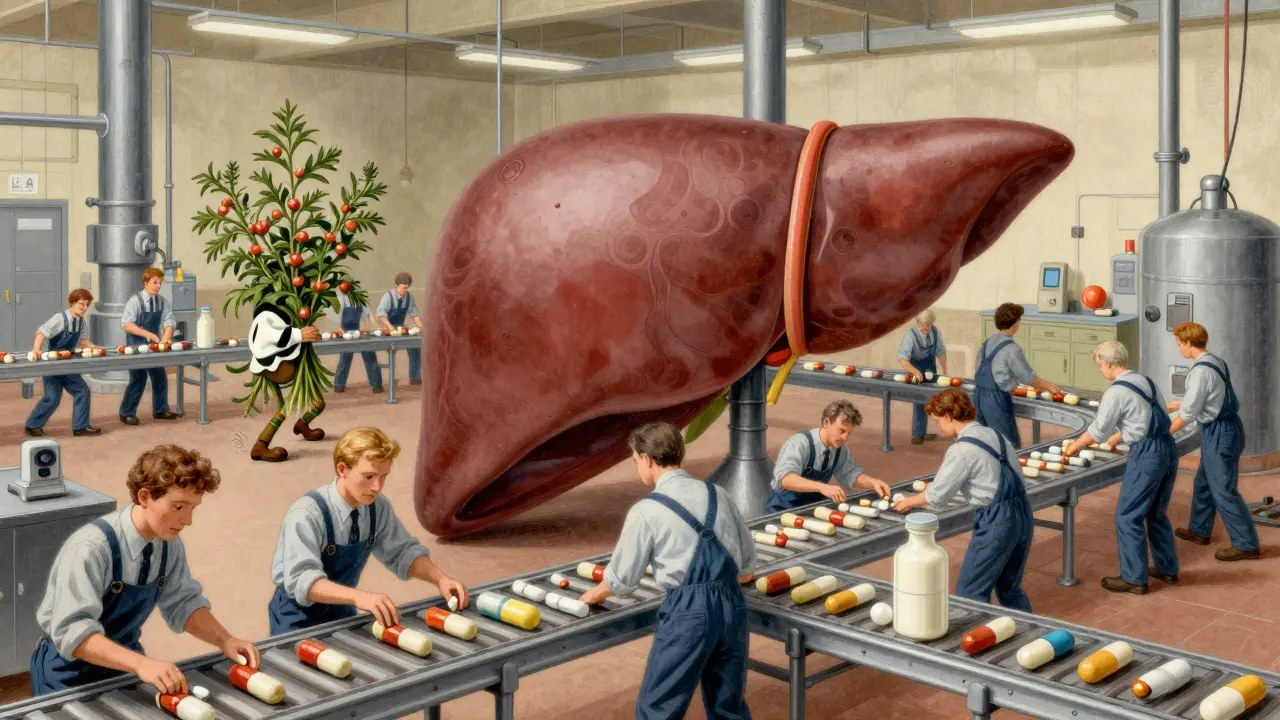
To understand the risk, you have to look at what happens inside your body. When you swallow a pill, your liver uses enzymes called cytochrome P450 to break it down. Think of these enzymes as busy workers in a factory. Some supplements hire more workers (inducers), making your body process medicine too fast. Other supplements fire workers (inhibitors), causing medicine to build up to toxic levels.
St. John's wort is the biggest offender here. It tells your liver to speed up production. If you take it with heart meds, HIV drugs, or birth control, your body clears those medicines so quickly they stop working. Studies show it can reduce the effectiveness of some drugs by up to 80%. On the flip side, some supplements block absorption. Calcium in antacids or supplements can bind to antibiotics like tetracycline, stopping them from entering your bloodstream entirely.
It’s not just about absorption. Some supplements mimic drugs. Ginkgo biloba thins your blood. If you are already on warfarin or aspirin, adding Ginkgo is like doubling your dose without realizing it. This combination increases bleeding risk significantly, leading to hospital visits for internal bleeding or severe bruising.
The Seven Questions You Must Ask First
Before you buy that bottle off the shelf, run it through this checklist. These questions cut through the marketing hype and get to the safety facts.
- Does this affect liver enzymes? Check if the supplement induces or inhibits cytochrome P450 enzymes. If it does, it changes how your body processes almost every other drug you take.
- Is there an additive effect? Does the supplement do the same thing as your med? If both thin blood, lower blood sugar, or relax muscles, you risk overdose symptoms without taking extra pills.
- Has this specific combo been studied? Only about 15% of supplements have formal interaction studies. If there is no data, assume caution until a professional says otherwise.
- What monitoring do I need? If you mix them, will you need more blood tests? For example, warfarin users need frequent INR checks when starting new supplements.
- Are there safer alternatives? Maybe you want energy. Instead of high-risk herbs, ask if a different, lower-risk option exists that doesn't interfere with your specific meds.
- What are the warning signs? Know the red flags. Confusion, rapid heartbeat, muscle stiffness, or unusual bleeding mean stop immediately and call a doctor.
- Who knows I am taking this? Has your pharmacist seen this on your record? If they haven't flagged it, it might be safe-but only if they checked.
High-Risk Supplements to Watch Out For
Not all supplements are created equal. Some are relatively gentle, while others are chemical grenades in capsule form. Here is how experts categorize the most common ones based on interaction potential.
| Supplement | Risk Level | Primary Interaction Mechanism | Medications to Avoid Combining With |
|---|---|---|---|
| St. John's wort | High | Induces CYP3A4 enzyme (speeds up metabolism) | Birth control, antidepressants (SSRIs), HIV meds, transplant drugs |
| Ginkgo biloba | Moderate-High | Additive anticoagulant effect | Warfarin, aspirin, clopidogrel, NSAIDs |
| Vitamin E (high dose) | Moderate | Additive inhibition of clotting factors | Anticoagulants, antiplatelet drugs |
| Goldenseal | High | Inhibits CYP3A4 (slows down metabolism) | Statins, calcium channel blockers, sedatives |
| Milk thistle | Low-Moderate | Variable enzyme effects | Certain cancer therapies, diabetes meds (monitor closely) |
Notice that St. John's wort tops the danger list. Doctors call it the most dangerous over-the-counter supplement because it interacts with more prescriptions than any other herb. It has been linked to organ transplant failures because it lowers drug levels below therapeutic ranges. If you are on life-saving meds, keep this one far away.
Even vitamins carry risks. High-dose Vitamin E (over 400 IU/day) isn't just an antioxidant; it acts like a mild blood thinner. Combined with prescription anticoagulants, it pushes your bleeding risk up by nearly a third. Always check the label for "IU" (International Units) and compare it to your total daily intake from food and other pills.
The Regulatory Gap: Why Labels Lie
You might trust the label, but should you? In the U.S., the Dietary Supplement Health and Education Act of 1994 treats supplements like food, not drugs. This means companies don't have to prove their product works or is safe before selling it. They just have to label it correctly-and even that is shaky.
A government report found that 70% of supplement labels inaccurately represent ingredient amounts. One study tested products labeled as containing a specific herb and found many contained little to none of the active ingredient, or worse, hidden contaminants. This variability makes interactions unpredictable. You might take two pills thinking you are getting a standard dose, but one batch is strong and the next is weak, messing up your medical stability.
The FDA cannot require pre-market testing for supplements. They only step in after people get sick. This puts the burden of proof on you. Unlike pharmaceuticals, which undergo rigorous clinical trials for safety profiles, supplements enter the market as wildcards. This is why relying on internet reviews or store clerks is risky. You need a professional who understands pharmacology.
How to Talk to Your Healthcare Team
Doctors are busy. A typical appointment lasts 15 minutes, and they spend less than two minutes discussing supplements. Don't wait for them to ask. Bring the bottles. Yes, physically bring the containers to your appointment. Photos of labels are okay, but holding the actual product allows the pharmacist or doctor to see the exact ingredients and doses.
Ask specifically: "Could this change how my body absorbs [Medication Name]?" or "Does this affect my liver enzymes?" Pharmacists are the unsung heroes here. Eighty-nine percent of pharmacists now screen for these interactions during medication reviews. If your pharmacy doesn't offer this, switch to one that does. Many community pharmacies provide free medication therapy management services where they review your entire regimen, including supplements.
If you are hesitant to mention a supplement because you bought it online or feel embarrassed, remember: medical professionals aren't judging you. They are trying to prevent emergency room visits. Hiding information is the most dangerous part of this equation. Transparency saves lives.

Red Flags: When to Stop Immediately
Sometimes you won't know there is an interaction until your body screams at you. Know the symptoms of common adverse reactions. If you start a new supplement and experience any of the following within days or weeks, stop taking it and seek medical help.
- Serotonin Syndrome: Caused by mixing St. John's wort with SSRIs (like Prozac). Symptoms include confusion, rapid heart rate, sweating, shivering, and muscle rigidity. This is a medical emergency.
- Unusual Bleeding: Nosebleeds, bleeding gums, or large bruises appearing without cause. This suggests your blood is too thin due to Ginkgo, Garlic, or Vitamin E combined with anticoagulants.
- Sudden Loss of Effectiveness: If your blood pressure spikes despite taking meds, or your birth control fails unexpectedly, suspect an inducer like St. John's wort clearing the drug too fast.
- Liver Stress: Yellowing of skin/eyes, dark urine, or severe abdominal pain. Some herbal blends can cause direct liver toxicity, especially when mixed with acetaminophen or statins.
Don't guess. Document the timeline. Note when you started the supplement and when symptoms began. This information helps doctors pinpoint the culprit quickly.
Building a Safe Routine for 2026 and Beyond
The landscape is changing. Electronic health records are starting to include mandatory fields for supplement use, and databases like the NIH's LiverTox are expanding to track supplement-induced injuries. However, technology hasn't caught up with consumer behavior yet. You are still the primary gatekeeper of your health.
Create a personal inventory. List every pill, powder, and gummy you take. Include dosages and brands. Update this list every time you add or remove something. Share this list with every provider you see-dentists, specialists, and ER doctors. Consistency is key.
Remember, "natural" does not mean "neutral." Herbs contain potent bioactive compounds that interact with your biology just like synthetic drugs. By asking the right questions and respecting the power of these substances, you protect your health and ensure your medications actually work as intended. Stay curious, stay cautious, and always verify before you ingest.
Can I take multivitamins with prescription medications?
Generally, yes, but timing matters. Minerals like calcium and iron can bind to certain antibiotics and thyroid medications, preventing absorption. Take multivitamins at least 2-4 hours apart from your prescription meds. Always check with your pharmacist for specific combinations.
Is St. John's wort safe for depression if I'm on other meds?
No, it is rarely safe. St. John's wort interacts with a vast number of drugs, including antidepressants, birth control, and heart medications. It can cause serotonin syndrome when mixed with SSRIs or render birth control ineffective. Consult your doctor before using it for any reason.
Do natural supplements really need to be approved by the FDA?
Currently, no. Under current U.S. law, supplements are regulated as food, not drugs. Manufacturers do not need FDA approval before selling them. They are responsible for ensuring safety, but the FDA only intervenes after problems arise. This makes independent verification crucial.
What should I do if I suspect a supplement interaction?
Stop taking the supplement immediately. Contact your healthcare provider or pharmacist. Do not wait for symptoms to worsen. Bring the supplement bottle with you to your appointment so they can identify the specific ingredients involved.
Are there any supplements that are completely safe to take with meds?
Few things are "completely" safe, but some have lower risk profiles. Vitamins like B-complex or low-dose Vitamin C generally have fewer interactions. However, individual health conditions vary. Always confirm with a professional, especially if you have kidney or liver issues.
