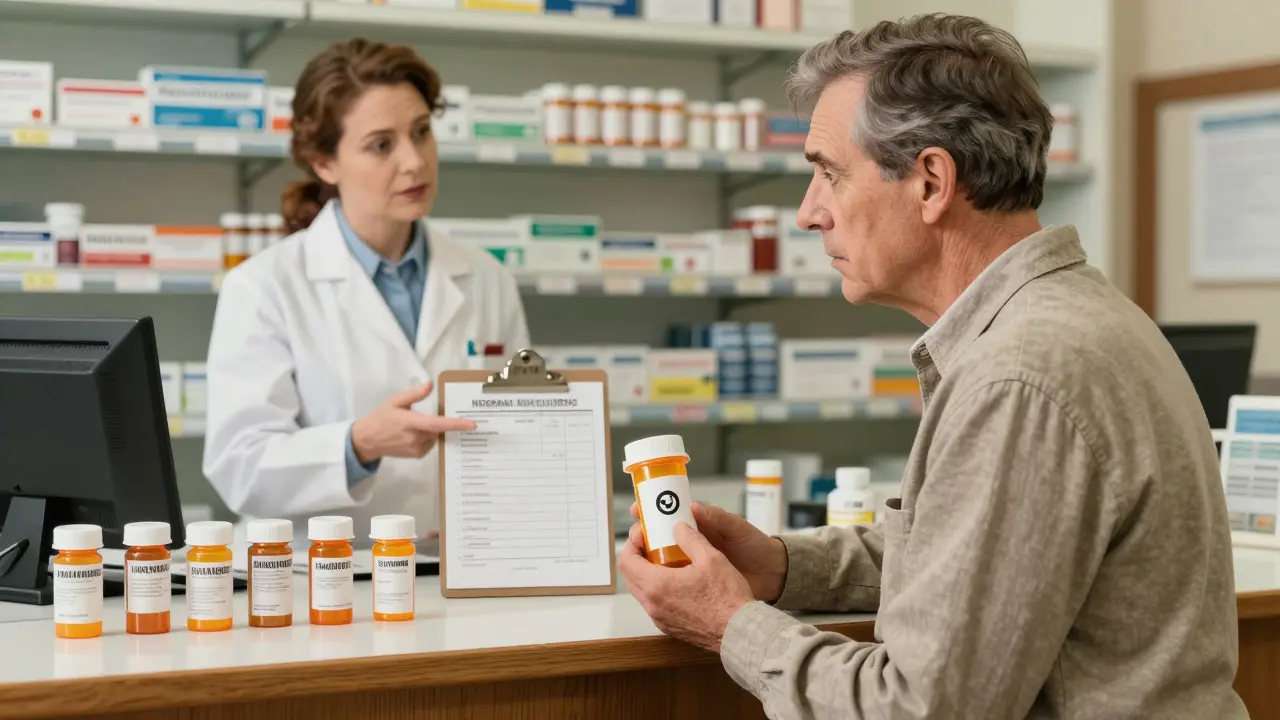
Have you ever picked up a prescription and wondered why your insurance covered one version of a drug but not another? Or perhaps you’ve noticed that the same medication costs $20 at one pharmacy and $150 at another. The confusion usually comes down to two terms you might see on your bill or in your insurance plan: single-source drugs and multi-source drugs. These aren’t just industry buzzwords; they determine how much you pay, which pills you get, and whether your doctor’s choice is even covered.
Understanding the difference between these two categories can save you hundreds of dollars a month and help you navigate frustrating prior authorization requests. Let’s break down what these terms mean, how they affect your wallet, and what you should ask your pharmacist next time you fill a script.
What Are Single-Source and Multi-Source Drugs?
To understand the cost difference, we first need to look at who makes the medicine. In the pharmaceutical world, drugs are classified by how many companies can make them and whether generic versions exist.
Single-source drugs are medications made exclusively by one company. There are no generic equivalents available because the original manufacturer still holds the patent or has exclusivity rights. Think of these as the "brand-name only" options. If a new cancer treatment or a specialized immunology drug hits the market, it starts here. Because there is no competition, the manufacturer sets the price, and insurers have little leverage to negotiate lower rates.
Multi-source drugs, on the other hand, are available from multiple manufacturers. This category includes both the original brand-name drug and its generic copies. Once a patent expires, other companies can step in and produce generic versions. These generics must contain the exact same active ingredient, strength, and dosage form as the brand name. They also have to prove to the FDA (Food and Drug Administration) that they work the same way in the body-a process called demonstrating bioequivalence.
The Medi-Span MONY classification system is often used by Pharmacy Benefit Managers (PBMs) to track this status. You’ll see codes like 'N' for single-source, 'O' for originator brands with generics, and 'Y' for generics. While you won’t see these codes on your receipt, they drive the decisions your insurance company makes about coverage.
The Cost Difference: Why Your Wallet Feels It
The most immediate impact of this distinction is price. Single-source drugs are significantly more expensive. According to data from the USC Schaeffer Center, single-source drugs command higher average list prices and rebates compared to their multi-source counterparts. Without generic competition, manufacturers have greater pricing power.
Here is how the economics play out:
- List Prices: For single-source drugs, the listed price is often very high. Rebates (discounts negotiated between manufacturers and insurers) tend to move dollar-for-dollar with these list prices, meaning the net price remains steep.
- Generic Competition: When a drug becomes multi-source, the introduction of generics drives prices down. Studies show that multi-source drugs offer equivalent therapeutic effectiveness at a fraction of the cost. In fact, approximately 86% of medications sold in the United States are generic or multi-source products.
- Out-of-Pocket Savings: Patients switching from single-source to multi-source drugs report average monthly savings of around $287. However, this isn't automatic. Insurance plans often structure their formularies to steer you toward the cheaper option.
| Feature | Single-Source Drugs | Multi-Source Drugs |
|---|---|---|
| Manufacturers | One exclusive company | Multiple companies (Brand + Generics) |
| Pricing Power | High (No competition) | Low (Generic competition drives prices down) |
| FDA Therapeutic Equivalence Code | Not assigned | Assigned (e.g., AB, AT) in the Orange Book |
| Insurance Coverage | Often higher tier, may require prior auth | Usually preferred, lower copay |
| Typical Use Case | New innovations, specialty meds | Chronic conditions, established treatments |
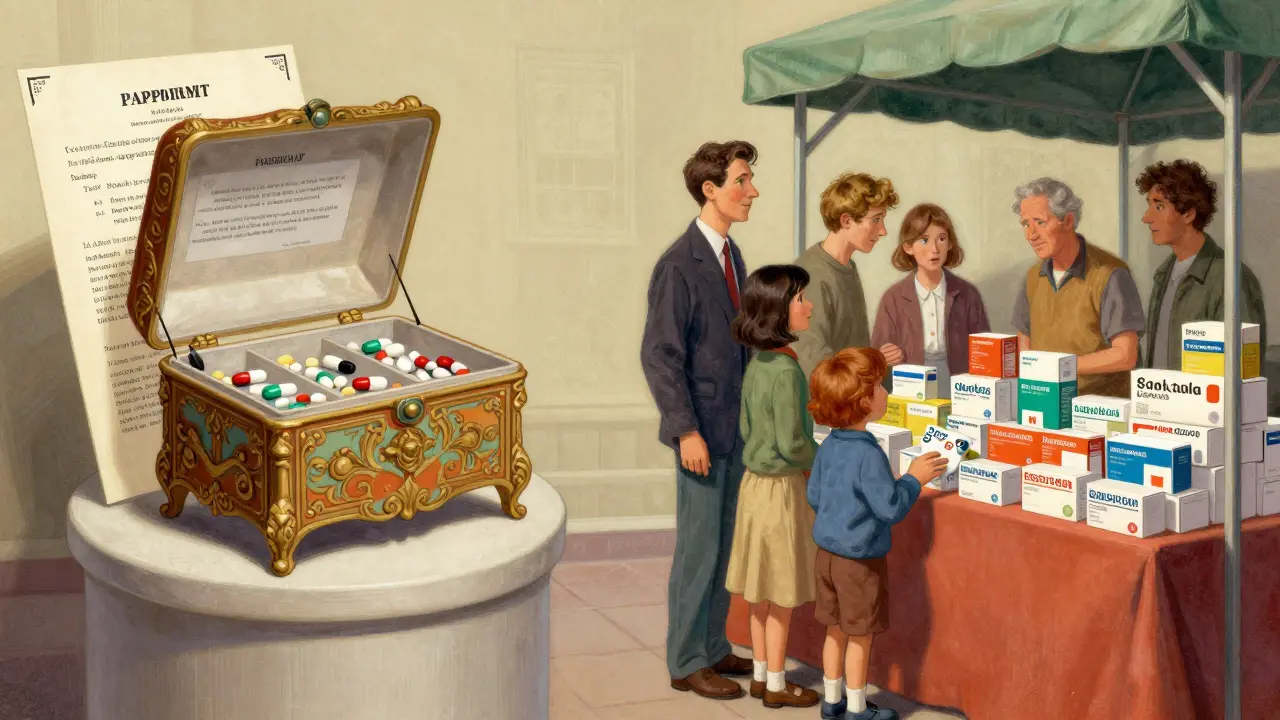
How Insurers and PBMs Handle These Drugs
Your insurance plan doesn’t treat all drugs equally. They use a tool called a formulary, which is essentially a ranked list of covered medications. Single-source drugs often sit on higher tiers, meaning you pay a larger percentage of the cost or a flat, higher copay. Multi-source drugs, especially generics, are usually on the lowest tier.
Pharmacy Benefit Managers (PBMs), the middlemen that negotiate drug prices for insurers, use strategies like Maximum Allowable Cost (MAC) limits for multi-source drugs. MAC is the maximum price the insurer will reimburse the pharmacy for a generic drug. This keeps costs low for everyone. For single-source drugs, however, there is no MAC limit in the same way, so the full weight of the high list price often falls on the patient unless specific rebates apply.
You might encounter "step therapy" requirements. This means your insurer requires you to try a multi-source alternative first before they will cover the single-source brand name. If the generic doesn’t work for you, you then have to go through a process called prior authorization to get approval for the brand name. This can delay treatment and add administrative hassle.
Efficacy and Safety: Is Generic Really the Same?
A common concern among patients is whether multi-source (generic) drugs are truly as effective as the single-source brand names. The short answer is yes, according to rigorous standards.
The Hatch-Waxman Act of 1984 established the legal framework for generic drugs in the US. Under this law, generic manufacturers must prove bioequivalence. This means the generic drug must deliver the same amount of active ingredient into your bloodstream within the same timeframe as the brand name. The FDA allows a narrow margin of error-typically between 80% and 125% of the reference drug’s pharmacokinetic parameters-but for most medications, this difference is clinically insignificant.
The FDA Orange Book lists approved drug products and assigns therapeutic equivalence codes to multi-source drugs. An "AB" code, for example, means the product is considered therapeutically equivalent to the reference listed drug. Single-source drugs do not receive these codes because there is nothing to compare them to.
However, some patients report feeling different effects when switching between generic manufacturers. While the active ingredient is identical, inactive ingredients (fillers, dyes, binders) can vary. For most people, this doesn’t matter. But for those with sensitive systems or those taking narrow therapeutic index medications (where small changes in dose can be dangerous, like certain seizure or heart medications), consistency matters more. If you notice a change in effectiveness or side effects after a switch, talk to your doctor. They may authorize you to stick with a specific manufacturer.

Navigating Your Prescription: Practical Tips
Knowing the difference between single-source and multi-source drugs empowers you to manage your healthcare costs better. Here is what you can do:
- Check Your Formulary: Before starting a new medication, log into your insurance portal and check the formulary tier. If your doctor prescribes a single-source drug, ask if there is a multi-source alternative that is equally effective and cheaper.
- Talk to Your Pharmacist: Pharmacists are experts in drug substitution. Ask them if a generic is available. If you are currently on a brand name and want to switch to save money, they can guide you through the process.
- Understand Prior Authorization: If your insurance denies coverage for a single-source drug, don’t panic. It likely requires prior authorization. This means your doctor needs to send a brief note explaining why the generic won’t work for you. It’s an extra step, but it gets the coverage approved.
- Watch for Manufacturer Changes: With multi-source drugs, the PBM might switch the supplier based on contract deals. If you feel your medication isn’t working as well, mention the specific manufacturer to your pharmacist. They can sometimes order from a specific source if needed.
- Use Price Comparison Tools: For single-source drugs where you have high out-of-pocket costs, use tools like GoodRx or your insurer’s app to compare cash prices at different pharmacies. Sometimes paying cash for a single-source drug is cheaper than using insurance if the deductible hasn’t been met.
The Future of Drug Pricing and Access
The landscape of drug pricing is shifting. New regulations, such as the Medicare Part D inflation rebate penalty introduced under the Inflation Reduction Act, aim to curb excessive price increases, particularly for single-source drugs. Additionally, the FDA is working to speed up the approval process for generics through initiatives like GDUFA III, which aims to reduce approval times. This could mean more single-source drugs transitioning to multi-source status faster, bringing down costs for patients.
As patents expire on blockbuster drugs, we will see more authorized generics-where the brand-name company releases its own generic version. This adds another layer of competition, potentially lowering prices further. Understanding these dynamics helps you stay ahead of changes in your coverage and costs.
Can I refuse a generic drug and insist on the brand name?
Yes, you can request the brand name, but your insurance may not cover it fully. You might have to pay the difference between the generic copay and the brand name cost, which can be significant. Always check with your pharmacist and insurance provider first.
Why are multi-source drug prices rising?
While generics are cheaper than brands, their prices can still rise due to supply chain issues, manufacturing shortages, or consolidation among generic manufacturers. Recent reports indicate multi-source drug prices increased by 26% in some periods, though they remain far below single-source costs.
What is the FDA Orange Book?
The FDA Orange Book is a database that lists approved drug products and provides information on patent and exclusivity status. It is used to determine therapeutic equivalence for multi-source drugs, helping insurers and pharmacists know which generics are interchangeable.
Are single-source drugs always newer medications?
Mostly, yes. Single-source drugs are typically newer innovations protected by patents. However, some older drugs may remain single-source if they have complex manufacturing processes or limited market interest, making generic production unprofitable.
How does prior authorization work for single-source drugs?
Prior authorization is a pre-approval process where your doctor must provide medical justification to your insurance company for covering a specific drug. This is common for single-source drugs to ensure that cheaper multi-source alternatives have been tried and failed or are medically inappropriate.
