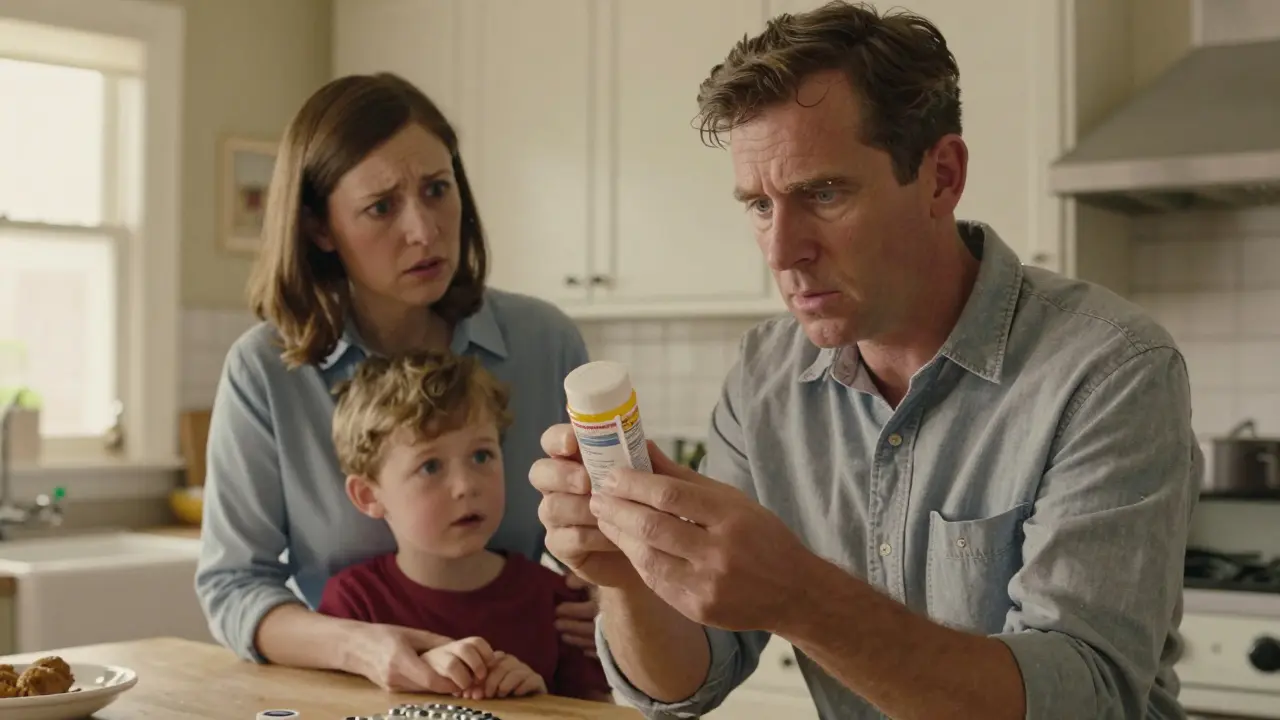
You take a pill to cure your headache, lose weight, or manage diabetes. You expect it to work. But what if that pill doesn’t just fail to help-it actively tries to kill you? That is the terrifying reality behind contaminants in counterfeit drugs, which are dangerous substances like heavy metals, industrial solvents, and synthetic opioids hidden inside fake medications. We often hear that fake drugs are "just ineffective." That is a dangerous lie. While inefficacy leaves you sick, contaminants can cause organ failure, permanent disability, or death within hours.
The global scale of this problem is staggering. According to the World Health Organization (WHO), approximately 10.5% of all medications worldwide are substandard or falsified. This isn't just a problem in developing nations; it is a multibillion-dollar illicit industry that has infiltrated supply chains globally. From online marketplaces to local pharmacies, the risk is real. Understanding exactly what is hiding in these pills is the first step in protecting yourself and your family.
The Four Main Categories of Dangerous Contaminants
When regulators analyze seized counterfeit products, they don't find empty capsules. They find a chaotic mix of harmful substances. These contaminants generally fall into four deadly categories, each with specific health consequences.
Microbial Contaminants: Bacteria and fungi thrive in unregulated manufacturing environments. In a 2019 investigation by the FDA, falsified epinephrine vials were found to contain Bacillus cereus and Pseudomonas aeruginosa. These aren't just minor infections; they caused severe sepsis and abscesses at injection sites, leading to 17 hospitalizations in Texas alone. If you inject a contaminated drug, you are introducing pathogens directly into your bloodstream.
Heavy Metals: Lead, mercury, and arsenic are common fillers in cheap, illegal production. Counterfeit weight-loss products have been detected with lead concentrations exceeding 1,200 parts per million-120 times the WHO permissible limit. This level of toxicity causes acute renal failure and irreversible neurological damage. Your body cannot filter this out quickly enough.
Industrial Solvents: Manufacturers sometimes use toxic chemicals as binders or solvents. Ethylene glycol (antifreeze) and diethylene glycol have been found in counterfeit cough syrups. In 2022, a tragic incident in The Gambia saw 66 children die from acute kidney injury after consuming cough medicine contaminated with diethylene glycol at 22% concentration. These solvents cause metabolic acidosis, shutting down your kidneys rapidly.
Synthetic Opioids: Perhaps the most lethal contaminant is fentanyl, a powerful synthetic opioid added to counterfeit prescription pills to mimic pain relief effects. It is deliberately added to fake oxycodone or hydrocodone pills. A single tablet may contain between 0.5mg and 3.2mg of fentanyl. Since the lethal dose for an opioid-naive person is as low as 2mg, one pill can contain up to 160 lethal doses. This was a major factor in the 73,838 overdose deaths recorded in the United States in 2022.
| Contaminant Type | Source Drug Category | Primary Health Risk | Documented Incident Example |
|---|---|---|---|
| Fentanyl | Painkillers (Oxycodone/Hydrocodone) | Respiratory failure, Death | 73,838 US overdose deaths (2022) |
| Lead/Mercury | Weight-loss supplements | Kidney failure, Neurological damage | Concentrations 120x WHO limits |
| Ethylene Glycol | Cough syrups | Metabolic acidosis, Kidney shutdown | 66 child deaths in The Gambia (2022) |
| Bacillus cereus | Injectables (Epinephrine) | Sepsis, Abscesses | 17 hospitalizations in Texas (2019) |
| Talc/Chalk | Cancer treatments | Granulomatous disease | 89 cases from IV administration (2022) |
Why "Inefficacy" Is Not the Worst Outcome
We tend to think of fake drugs as a waste of money because they don't work. But the medical reality is far darker. When a drug fails to treat an infection, the bacteria multiply. When a diabetic takes a fake insulin analog, their blood sugar spikes uncontrollably. But the contaminants add a layer of direct toxicity that turns treatment into poisoning.
Consider the case of counterfeit antimalarials. Professor Paul Newton’s research showed that many fake malaria pills contained subtherapeutic levels of artemisinin. This didn't just fail to cure the patient; it created a breeding ground for drug-resistant Plasmodium falciparum. Treatment failure rates exceeded 35% in Cambodia. The patient remains sick, but now the pathogen is stronger, making future legitimate treatments less effective.
In the realm of erectile dysfunction medications, the stakes are physically traumatic. The FDA reported that nearly 42% of seized counterfeit ED pills contained sildenafil analogues with uncontrolled concentrations ranging from 80-220mg (compared to the approved 25-100mg). Between 2020 and 2022, this led to 1,287 documented cases of priapism-a painful, prolonged erection that cuts off blood flow and can cause permanent penile tissue damage. This is not a "side effect"; it is iatrogenic injury caused by contamination.
The Rise of Online Pharmacies and Verification
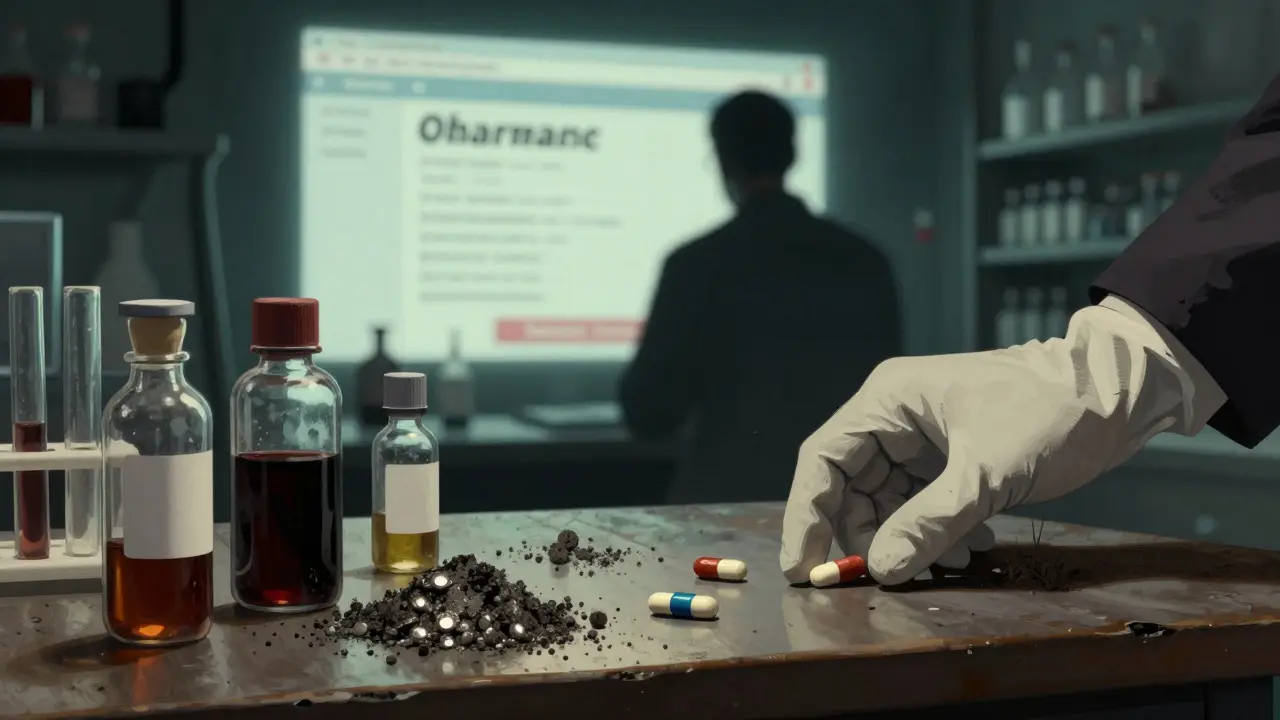
The internet has made accessing medication easier, but it has also removed the safety net of physical pharmacy oversight. The FDA’s BeSafeRx program revealed a shocking statistic: 96.2% of websites selling prescription drugs operate illegally. Out of 38,118 sites analyzed, only 6,312 met the Verified Internet Pharmacy Practice Sites (VIPPS) standards.
If you buy medication online, you are playing Russian roulette. Scammers target high-demand items like Ozempic, Adderall, and Xanax. In October 2023, the WHO issued Alert No. 321 regarding falsified Ozempic vials. Instead of semaglutide, these vials contained 3.2mg/mL of insulin glargine. This error caused 147 hypoglycemic emergencies across Europe. Patients thought they were managing their blood sugar slowly, but instead received a rapid-acting insulin shock.
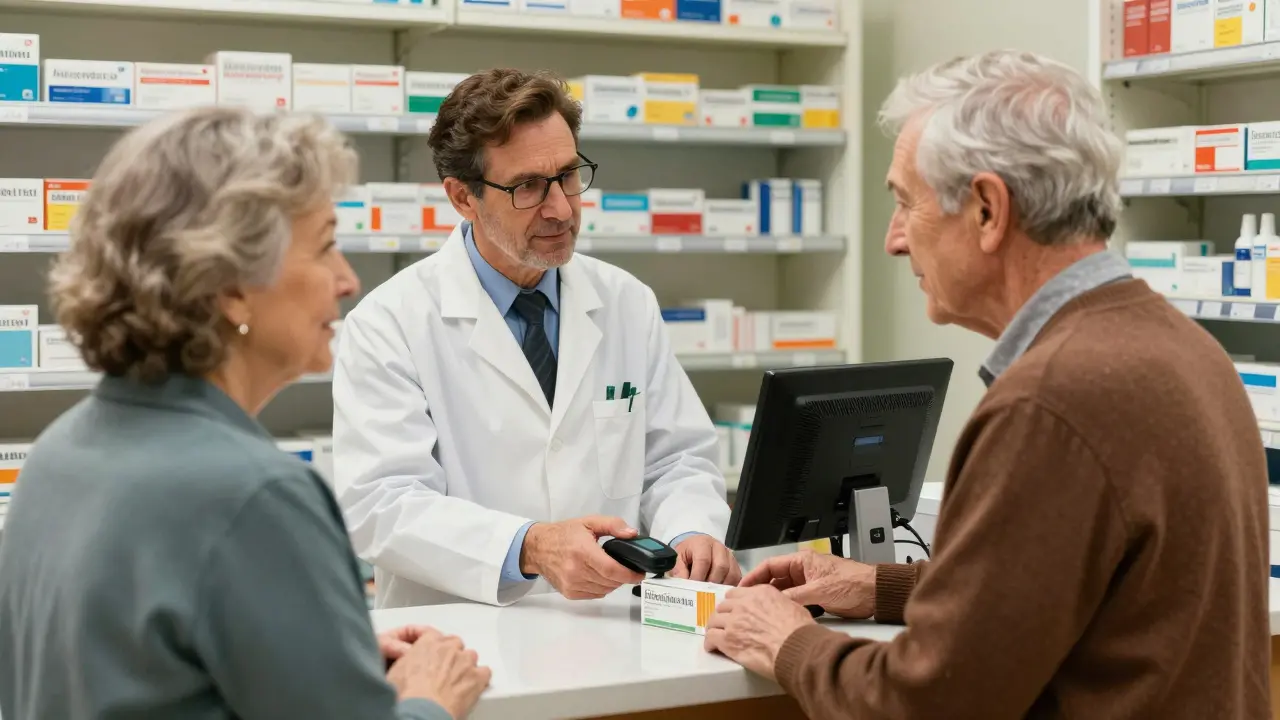
How can you protect yourself? Start with visual inspection. Pharmacists following National Association of Boards of Pharmacy guidelines can detect over 83% of counterfeits by looking for packaging discrepancies: misspellings, poor print quality, or missing holograms. However, visual checks aren't foolproof. For higher certainty, regulatory bodies are deploying handheld Raman spectrometers. These devices, costing between $3,500 and $12,000, can identify chemical contaminants with 94.2% accuracy in field testing. While most consumers don't own these, knowing that technology exists highlights the sophistication of the threat.
Geographic Risks and Global Trends
The burden of counterfeit drugs is not shared equally. Low- and middle-income countries face the highest risk, with 1 in 10 medicines failing quality tests according to WHO data. However, developed nations are seeing a sharp rise in threats due to cross-border e-commerce. EUROPOL reported a 317% increase in counterfeit drug seizures containing contaminants between 2018 and 2022. Of those seized, 64.3% contained dangerous substances like fentanyl or methamphetamine.
This trend suggests that no matter where you live, the supply chain is vulnerable. Blockchain technology is being tested as a solution. Pilot programs across 12 countries have shown that implementing blockchain in pharmaceutical supply chains reduced counterfeit infiltration by 73.2%. By creating an immutable record of a drug's journey from factory to shelf, regulators can verify authenticity instantly. Until this becomes standard, however, vigilance is your best defense.
Red Flags: How to Spot Fake Medication
You need to be proactive. Here are concrete signs that your medication might be contaminated or fake:
- Price too good to be true: If an online seller offers brand-name drugs at 50-70% off without a valid prescription, it is likely counterfeit.
- Packaging errors: Look for blurred text, incorrect fonts, or missing batch numbers. Legitimate pharmaceutical companies invest heavily in secure packaging.
- Physical appearance: Pills that crumble easily, have unusual colors, or taste different than usual should be discarded immediately.
- Rapid onset of extreme side effects: If you take a mild painkiller and suddenly feel dizzy, nauseous, or experience difficulty breathing, seek emergency care. This could indicate fentanyl or other potent contaminants.
- No pharmacist consultation: Legitimate online pharmacies require a prescription and offer access to a licensed pharmacist for questions.
The convergence of counterfeit drugs and synthetic opioids is the greatest public health threat we face today. The CDC projects that counterfeit pills will account for nearly 70% of fentanyl-related deaths in coming years. Awareness is not just helpful; it is life-saving. Always purchase from verified sources, inspect your medication closely, and never ignore adverse reactions. Your health is worth more than a quick, cheap fix.
What are the most common contaminants found in counterfeit drugs?
The most common and dangerous contaminants include synthetic opioids like fentanyl, heavy metals such as lead and mercury, industrial solvents like ethylene glycol, and microbial pathogens like Bacillus cereus. Fillers like talc and chalk are also frequently used in fake cancer and pain medications.
Can counterfeit drugs kill you even if you don't overdose?
Yes. Contaminants like heavy metals can cause cumulative organ damage leading to kidney failure. Industrial solvents can cause metabolic acidosis and acute kidney injury. Microbial contaminants can lead to fatal sepsis, especially in injectable forms. You do not need to take an excessive dose to suffer fatal consequences from these toxins.
How can I verify if an online pharmacy is legitimate?
Check if the website displays the VIPPS (Verified Internet Pharmacy Practice Sites) seal from the National Association of Boards of Pharmacy. Legitimate pharmacies require a valid prescription, provide a physical address and phone number, and employ licensed pharmacists available for consultation. Avoid sites that sell prescription drugs without a prescription or offer unusually deep discounts.
Why are weight-loss supplements particularly risky?
Counterfeit weight-loss products are often laced with undeclared pharmaceutical agents, heavy metals, or laxatives. Studies show that over 37% of counterfeit weight-loss products contain undeclared drugs, and some have lead levels 120 times higher than safe limits, causing severe neurological and renal damage.
What should I do if I suspect my medication is counterfeit?
Stop taking the medication immediately. Do not flush it down the toilet. Contact your healthcare provider or pharmacist for advice. Report the product to the FDA MedWatch program or your local regulatory authority. If you experience severe symptoms like difficulty breathing, chest pain, or confusion, seek emergency medical attention right away.
