Travel Sickness Risk Calculator
Adventure Travel Sickness Assessment
This tool helps you understand your risk of motion sickness during adventure sports based on your specific situation.
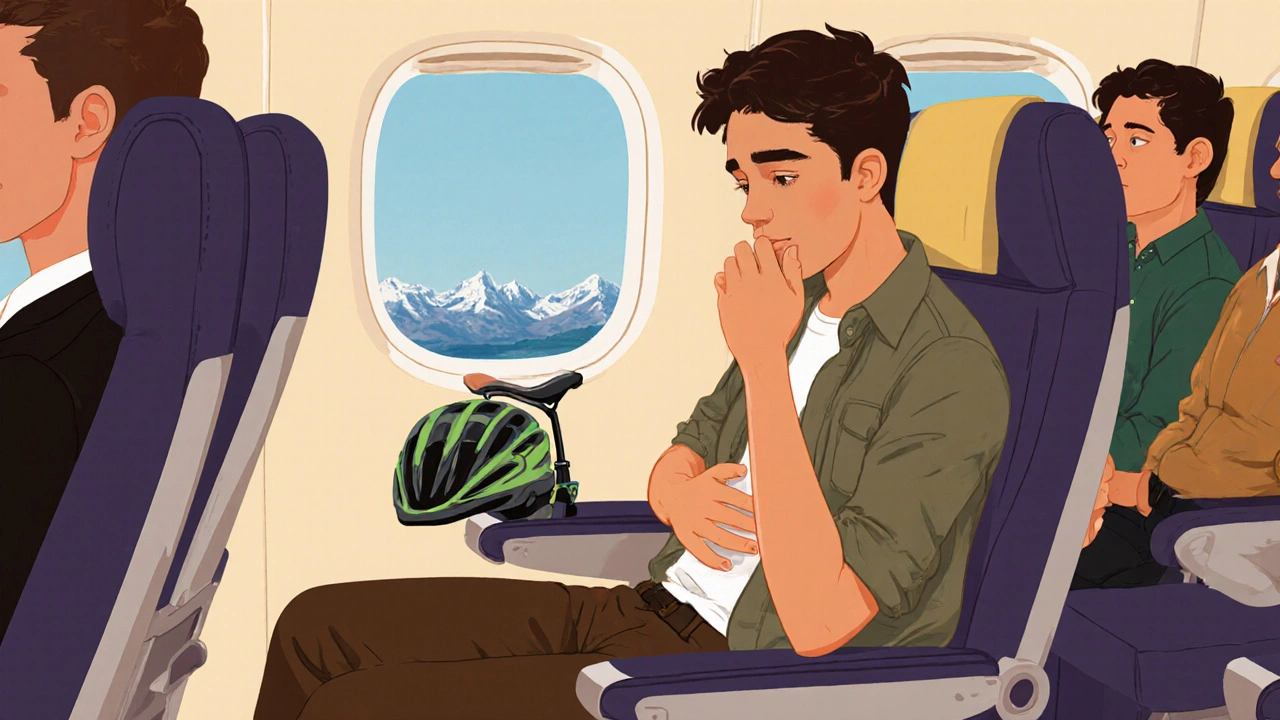
Imagine boarding a plane for a mountain‑biking trip, only to feel your stomach churn the moment the wheels leave the runway. Or picture yourself on a kayaking expedition, battling nausea as the river’s rhythm throws you off balance. Combining travel with high‑adrenaline activities brings a unique set of health challenges-chief among them is travel sickness. Knowing what triggers the queasy feeling and how adventure sports can amplify it lets you plan smarter, pack right, and stay focused on the fun.
What is Travel Sickness?
Travel sickness is a form of motion‑induced nausea that occurs when the inner ear, eyes, and body sensors send conflicting signals about movement. Common symptoms include dizziness, sweating, vomiting, and a general feeling of unease. It can happen on planes, boats, trains, or even in cars, and its severity varies widely from person to person.
Types of Travel Sickness You Might Encounter
Adventure‑oriented trips often involve multiple modes of transport, each with its own motion profile. Understanding the nuances helps you target prevention strategies.
- Seasickness: The rolling and pitching of a boat create a vertical motion that easily confuses the vestibular system.
- Air‑travel sickness: Turbulence, altitude changes, and the confined cabin environment can trigger nausea even without dramatic motion.
- Altitude sickness: Not a classic motion issue, but rapid ascent to high elevations can cause headaches, shortness of breath, and nausea.
- Motion sickness in vehicles: Road bumps, sharp turns, and reading while moving can aggravate the inner ear’s balance sensors.
Adventure Sports - What They Are
Adventure sports refer to high‑energy activities that involve natural environments, speed, and an element of risk. Think mountain biking on rugged trails, white‑water kayaking, paragliding over cliffs, or rock climbing on sheer rock faces. These pursuits demand physical fitness, mental focus, and often, rapid changes in body position.
Key Factors to Weigh Before Combining Travel and Adventure Sports
Not every traveler will experience the same level of discomfort. Below are the main variables that determine how likely you are to get sick during an adrenaline‑filled journey.
- Physical fitness and existing health conditions: People with chronic vestibular disorders, migraines, or inner‑ear infections are more prone to nausea. A quick health check‑up can highlight red flags.
- Acclimatization to altitude: Jumping from sea level to a 4,000‑meter trail without a day or two to adjust spikes the risk of altitude‑related nausea.
- Motion exposure history: If you’ve never taken a boat or a turboprop flight, start with short trips to gauge tolerance.
- Medication and supplements: Over‑the‑counter antihistamines (e.g., dimenhydrinate) or prescription scopolamine patches can be lifesavers, but they may cause drowsiness-important when you need quick reflexes in sports.
- Gear and clothing: Tight harnesses or poorly ventilated jackets can increase heat stress, worsening nausea.

Pre‑Trip Prevention Strategies
Preparation is your first line of defense. Follow these steps at least a week before you set off.
- Build motion tolerance: Take short ferry rides or practice simulated motion using VR apps that mimic boat sway or plane turbulence.
- Hydration and diet: Drink plenty of water, avoid heavy, greasy meals, and limit caffeine and alcohol-these can irritate the stomach.
- Strengthen core and balance: Yoga poses like tree and warrior improve proprioception, helping the brain reconcile conflicting motion signals.
- Consult a doctor: If you’ve had severe travel sickness before, discuss prescription options such as meclizine or ginger capsules.
In‑Trip Tactics to Keep Nausea at Bay
Even with perfect prep, motion can strike mid‑journey. Keep these quick fixes handy.
- Seat selection: Choose a mid‑plane seat over the wing, a forward cabin spot on a boat, or a central car seat to reduce perceived motion.
- Focus on a stable horizon: Looking at the horizon or a fixed point steadies the visual system.
- Breathing exercises: Inhale for 4 seconds, hold for 2, exhale for 6-helps calm the autonomic nervous system.
- Chew gum or suck on lozenges: Stimulates saliva production, which can ease stomach upset.
- Use medication as directed: A dose taken 30 minutes before travel often works best.
Specific Advice for Popular Adventure Activities
Different sports place unique demands on your body. Below are tailored tips for five common pursuits.
- Kayaking: The rhythmic rocking of water can amplify seasickness. Sit upright, keep eyes on a distant point, and wear a breathable life jacket to avoid overheating.
- Mountain Biking: Rapid downhill descents cause vertical acceleration. Prior to a ride, do a short 5‑minute warm‑up on flat terrain to settle the inner ear. Pack anti‑nausea tablets in a waterproof pouch.
- Paragliding: Thermal lifts create sudden altitude changes. Ascend slowly, stay hydrated, and limit snack intake to light carbs; heavy meals can worsen altitude‑related nausea.
- Scuba Diving: Pressure changes affect the inner ear. Perform a proper ear‑equalization technique and avoid diving within 24 hours of a severe motion‑sickness episode.
- Rock Climbing: Hanging vertical for long periods can reduce blood flow to the brain, leading to light‑headedness. Take regular micro‑breaks, sip electrolyte water, and avoid tight harnesses that compress the abdomen.

When to Seek Medical Help
Most travel‑sick episodes resolve with rest and hydration, but certain signs warrant professional attention.
- Persistent vomiting for more than 24 hours.
- Severe headache, confusion, or difficulty walking-possible signs of high‑altitude cerebral edema.
- Chest pain or shortness of breath after diving-could indicate barotrauma.
- Any symptom accompanied by fever or unusual swelling.
If you notice any of these, locate the nearest medical facility or call emergency services. Carry a small first‑aid kit with anti‑emetics, rehydration salts, and a copy of your medical history.
Quick Checklist Before You Go
| Item | Why It Matters | How to Prepare |
|---|---|---|
| Hydration Plan | Prevents dehydration‑related nausea | Carry a reusable bottle, add electrolytes |
| Medication Pack | Controls symptoms before they start | Consult doctor, pack dimenhydrinate or scopolamine |
| Balance Training | Improves vestibular tolerance | Do daily yoga or balance board for 10 min |
| Acclimatization Days | Reduces altitude sickness risk | Spend 1‑2 nights at 2,000 m before higher climbs |
| Gear Check | Avoid overheating, restrictive movement | Fit harnesses, test breathable layers |
Mini‑FAQ
Can I completely avoid travel sickness on adventure trips?
Total avoidance is rare, but you can minimize episodes by hydrating, using medication, and training your balance before departure. Most people find that a combination of these steps cuts symptoms dramatically.
Is ginger effective for motion‑induced nausea?
Yes. Studies show that 1 gram of ginger powder or a few slices of fresh ginger can reduce nausea intensity by around 30 % with no major side effects.
Should I take anti‑nausea medication if I’m planning a high‑altitude climb?
Anti‑nausea meds help with motion components but won’t prevent altitude sickness. Use them for motion during travel, and combine with altitude‑specific strategies like gradual ascent and acetazolamide if prescribed.
Can wearing a tight harness trigger nausea?
A too‑tight harness can restrict breathing and raise core temperature, both of which aggravate nausea. Ensure a snug but comfortable fit and choose breathable webbing.
What’s the best position on a plane to reduce motion sickness?
Seats over the wing, close to the aircraft’s center of gravity, experience the least vertical movement. Pair that with a clear view of the horizon through the window.
By acknowledging how travel sickness and adventure sports intersect, you can fine‑tune your preparation and still chase the thrills you love. The goal isn’t to eliminate every wobble-just to keep it from ruining the ride.

Leo Chan
October 19, 2025 AT 20:01Travel sickness can feel like a nightmare, but a few simple habits can turn the tide. Keep a water bottle handy and sip steadily, avoid greasy meals before a flight, and practice a quick 5‑minute balance drill the night before you board. If you ever feel the queasy wobble, focus on the horizon and take slow, deep breaths – it tricks your brain into thinking you’re steady. Stay positive and remember that the thrill of the adventure awaits once you’ve steadied your stomach.
Rakhi Kasana
October 27, 2025 AT 21:27When the world throws you into a churning cabin, the instinct to blame the journey alone is a tired story. The real drama unfolds when you ignore the subtle cues of your own body and push through without a plan. Tight harnesses, heavy meals, and a lack of acclimatization are the silent saboteurs that turn excitement into a sickening tumble. Learn to read those signals early, and the adventure will stay thrilling, not tragic.
ashanti barrett
November 4, 2025 AT 23:54One practical addition that many overlook is the power of ginger in its raw form. A few thin slices chewed slowly can calm the stomach faster than a tablet, and it works well with breathing exercises. Pair ginger with a 4‑2‑6 inhale‑hold‑exhale rhythm, and you’ll notice a smoother ride whether you’re on a boat or a bike trail. The combination respects both the vestibular system and your digestive comfort, making the whole trip more enjoyable.
jagdish soni
November 13, 2025 AT 02:21The motion of a vessel is but a metaphor for the restless mind that seeks certainty in chaos the body, like a reluctant sailor, resists the unseen currents yet yields when the breath aligns with the sway we find a quiet dignity in surrender to the wave
parth gajjar
November 21, 2025 AT 04:47Yet the drama of denial persists when the traveler clings to control the harness tightens like a chain of pride and the inner ear rebels the spirit cries out for release the breath must become a bridge between the stubborn flesh and the fluid world
Maridel Frey
November 29, 2025 AT 07:14For those who prefer a structured approach, consider expanding the checklist with a pre‑travel medical form that captures any history of vestibular disorders, migraine patterns, and recent ear infections. Share this form with your physician at least two weeks before departure so adjustments to medication can be made safely. Additionally, a quick test of your balance-standing on one leg with eyes closed for 30 seconds-can reveal hidden deficits you can train before the trip.
Madhav Dasari
December 7, 2025 AT 09:41Yo, I once strapped on a mountain‑bike after a week‑long cruise and the seasick feeling hit me hard on the first downhill. I remembered to crack open a fresh ginger chew, paced my breathing, and even sang a silly tune to keep the mind busy. By the time I hit the trail, the nausea faded and the adrenaline took over. Trust the process and keep the vibe light-you’ll thank yourself when you’re shredding the ridge.
DHARMENDER BHATHAVAR
December 15, 2025 AT 12:07Pack an extra set of anti‑nausea tablets in a waterproof pouch.
Kevin Sheehan
December 23, 2025 AT 14:34Traveling for high‑intensity sports is an exercise in managing contradictory signals from the body and the environment. The vestibular system, visual cues, and proprioception must cooperate, or the brain interprets chaos as nausea. Preparing in advance creates a neural buffer that dampens these conflicting inputs. Hydration does more than keep you from feeling light‑headed; it maintains blood volume, which supports inner‑ear fluid balance. A diet low in heavy fats and high in complex carbs stabilizes blood sugar, reducing the propensity for vomiting. Ginger, in both raw and supplemental forms, has been shown in controlled studies to cut nausea intensity by roughly a third. Over‑the‑counter antihistamines such as dimenhydrinate act on histamine receptors and can blunt motion‑induced queasiness, but they may also dampen reflexes, so timing the dose is critical. Scopolamine patches provide steady medication release for multi‑day trips, yet they carry a risk of dry mouth and blurred vision, requiring a test run before the main adventure. Core strengthening exercises, especially planks and balance board drills, improve the body's sense of orientation, making it less susceptible to sudden shifts. When on a plane, securing a seat over the wing reduces vertical motion and gives a clearer view of the horizon, a simple visual anchor that stabilizes perception. For kayaking, maintaining an upright posture and fixing your gaze on a distant shoreline can counteract the boat’s rhythmic sway. In mountain biking, a short warm‑up on level ground primes the inner ear before tackling steep descents that generate rapid vertical accelerations. Altitude acclimatization shouldn’t be rushed; ascending no more than 300‑500 meters per day above 2,500 meters reduces the risk of high‑altitude cerebral edema and associated nausea. If you notice persistent vomiting beyond 24 hours, seek medical attention promptly, as dehydration and electrolyte loss can become dangerous. Finally, always carry a compact first‑aid kit that includes anti‑emetics, oral rehydration salts, and a note of your medical history for emergencies.
Jay Kay
December 31, 2025 AT 17:01Well, that was a lot of jargon for a simple problem – just take a pill and drink water.
Christian Georg
January 4, 2026 AT 19:01😃 Adding a quick cheat‑sheet to the checklist can save you from last‑minute panic.
• Bring a small bag of ginger crystals for easy snacking.
• Test your motion tolerance on a local ferry before the big trip – it reveals hidden sensitivities.
• If you’re prone to altitude issues, start with a low‑dose acetazolamide the night before ascent; it’s a proven prophylactic.
Remember that the best preparation is a habit, not a one‑off task, so repeat these steps on every adventure to build confidence.