CYP450 Interaction Simulator
Select a Metabolizer Type and an Interaction Factor to see how the drug concentration in the bloodstream is affected.
1. Your Genetic Profile
2. External Factor (Drug/Supplement)
Bloodstream Concentration Result
Please select your genetic profile and an external factor to see the simulation result.
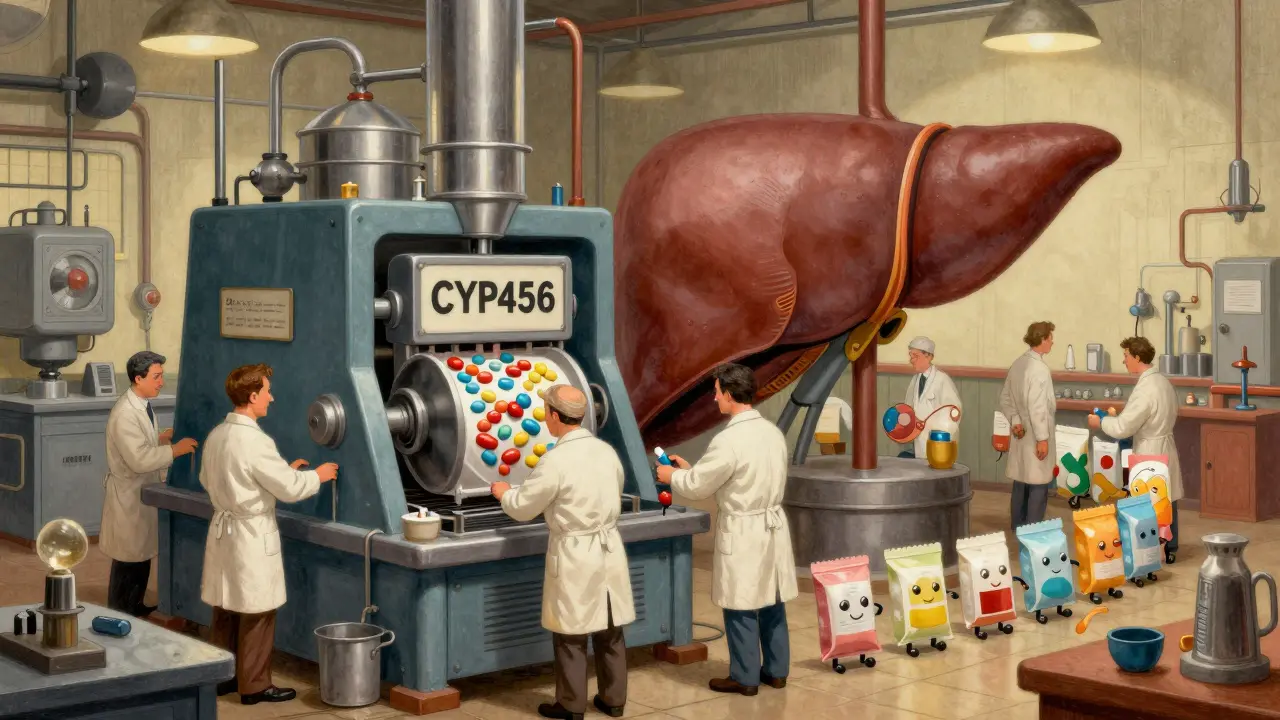
To understand why this happens, we have to look at the liver's metabolic engine. The Cytochrome P450 (or CYP450) system is a superfamily of enzymes that act like a chemical shredder. Their primary job is to turn fat-soluble drugs into water-soluble waste so your kidneys can flush them out. While these enzymes are mostly in the liver, you'll also find them in your intestines and lungs. The problem is that there are only a few "main" enzymes doing the bulk of the work. If you take two drugs that both need the same enzyme, one drug might block the other, causing the second drug to build up to toxic levels in your blood.
The Heavy Hitters: Which Enzymes Do the Work?
Not all CYP450 enzymes are created equal. A small handful of isozymes handle almost everything. The most famous is CYP3A4, which is a metabolic powerhouse responsible for processing about 50% of all marketed drugs, including many statins and opioids. Then there is CYP2D6, which handles about 25% of medications and is particularly critical for psychotropic drugs and antidepressants.
When a doctor prescribes a medication, they are essentially introducing a "substrate" into this system. If you are taking multiple medications, you have multiple substrates competing for limited enzyme capacity. For example, if a drug is a "strong inhibitor," it essentially parks itself in the enzyme's active site and refuses to leave, preventing other drugs from being metabolized. This is why a simple antibiotic like clarithromycin can cause a dangerous spike in simvastatin levels, potentially leading to rhabdomyolysis-a severe breakdown of muscle tissue.
| Enzyme | % of Drugs Metabolized | Common Substrates | Clinical Significance |
|---|---|---|---|
| CYP3A4 | ~50% | Statins, Immunosuppressants | Most common site for interactions |
| CYP2D6 | ~25% | Antidepressants, Beta-blockers | High genetic variability |
| CYP2C9 | ~15% | Warfarin, NSAIDs | Critical for narrow-index drugs |
| CYP2C19 | ~10% | Clopidogrel, PPIs | Impacts prodrug activation |
Inhibitors vs. Inducers: The Gas and Brake Pedals
Drug interactions generally fall into two categories: inhibition and induction. Think of inhibition as a brake pedal and induction as a gas pedal.
Enzyme Inhibition happens when a drug slows down or blocks an enzyme. This is usually a fast process. Most of these are "competitive," meaning the two drugs are fighting for the same spot. However, some are "irreversible," where the drug permanently damages the enzyme, and your body has to build new ones from scratch-a process that can take up to a week. When an enzyme is inhibited, the "victim drug" stays in your system longer, increasing the risk of overdose or toxicity.
Enzyme Induction is the opposite. An inducer tells your body to produce *more* of a specific enzyme. This takes longer to kick in (usually 3 to 14 days) because it requires the cell to actually synthesize new proteins. When you have too many enzymes, they chew through your medications much faster than intended. This leads to treatment failure because the drug is cleared before it can do its job. A classic example is St. John's wort, a herbal supplement that induces CYP3A4 and can make birth control pills or transplant medications far less effective.
The Genetic Lottery: Why We All React Differently
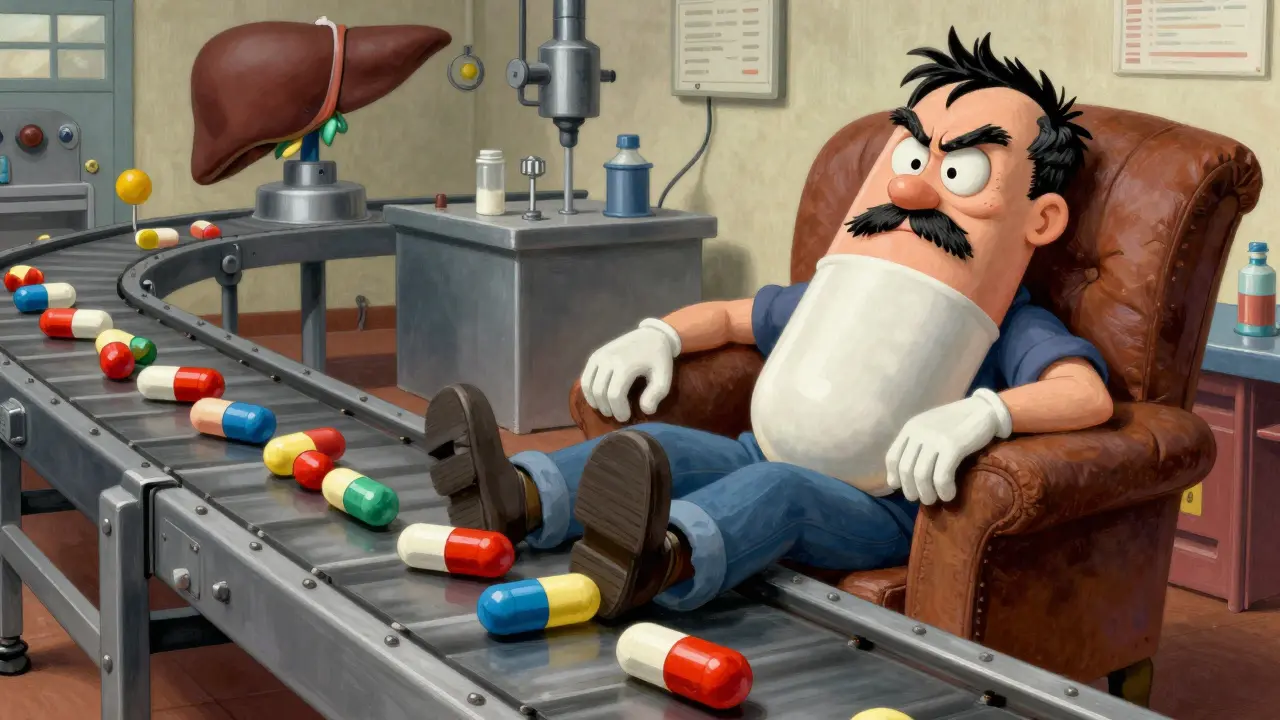
If two people take the exact same dose of the same drug, they can have completely different reactions. This is due to Pharmacogenomics, or the study of how genes affect a person's response to drugs. Some of us are born with genetic mutations that change how our CYP450 enzymes function.
Clinical researchers classify people into four "metabolizer phenotypes":
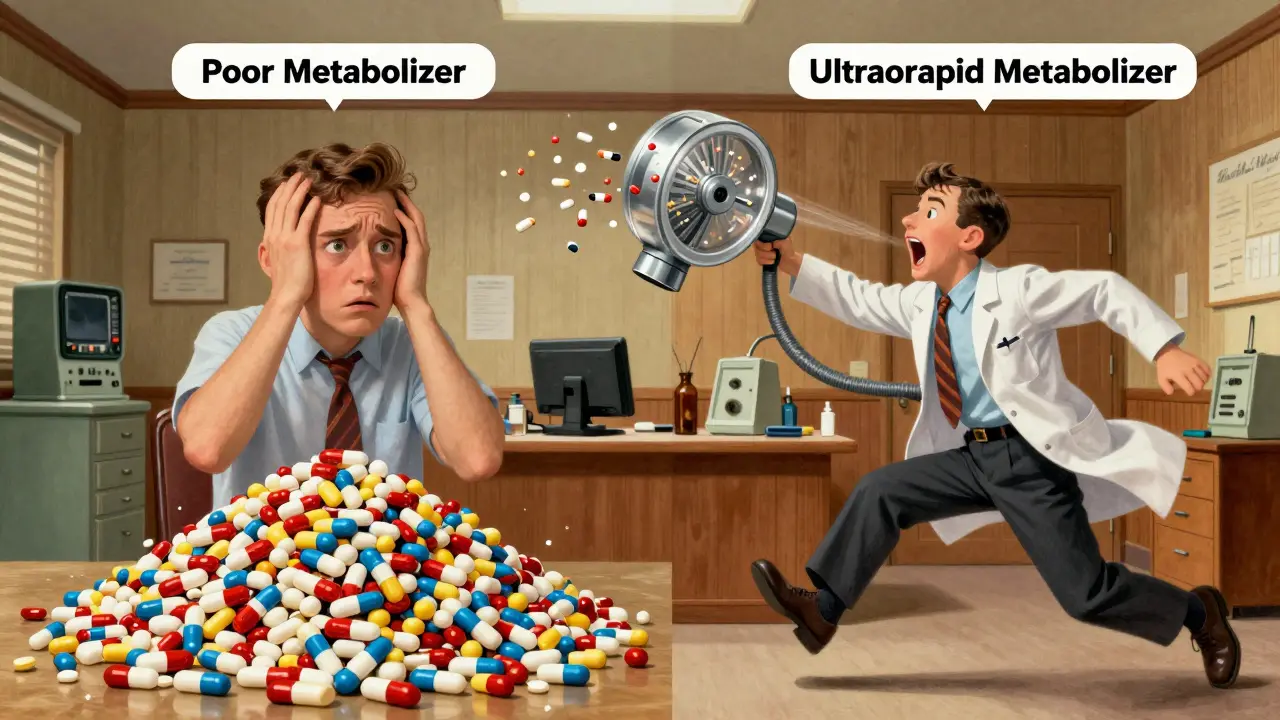
- Poor Metabolizers (PMs): These individuals have little to no enzyme activity. They are at high risk for toxicity because drugs build up in their system.
- Intermediate Metabolizers (IMs): They have reduced activity and may need lower-than-average doses.
- Extensive Metabolizers (EMs): This is the "normal" range where most medications are dosed for.
- Ultrarapid Metabolizers (UMs): Their bodies process drugs so quickly that standard doses often don't work.
Real-World Risks and the Danger of Polypharmacy
The risk of these interactions skyrockets with polypharmacy, which is the concurrent use of multiple medications. For a typical Medicare patient taking five or more drugs, there can be over ten potential CYP interactions happening simultaneously. This creates a complex web where one drug inhibits an enzyme, while another induces a different one, making it nearly impossible to predict blood levels without precise monitoring.
It's not just prescription drugs, either. Common dietary choices can trigger these pathways. Grapefruit juice is a well-known inhibitor of intestinal CYP3A4. By blocking this enzyme in the gut, grapefruit juice can reduce the first-pass metabolism of certain drugs by up to 80%, effectively increasing the dose you absorb into your bloodstream. This is why many medication labels carry a warning to avoid grapefruit products.
How Professionals Manage the Competition
To prevent these adverse events, healthcare providers use several strategies. First, they look at the Therapeutic Index (TI). Drugs with a "narrow therapeutic index," like warfarin, have a very small window between a dose that works and a dose that is toxic. Any CYP2C9 interaction with warfarin can be life-threatening, making it a high-priority monitoring target.
Many hospitals now use Clinical Decision Support Systems (CDSS) that automatically flag interactions during the prescribing process. Pharmacists also use advanced interaction checkers like Lexicomp to spot conflicts. In more complex cases, doctors may order a pharmacogenomic panel-a test that analyzes 5 to 12 different CYP genes-to determine exactly how a patient will process a drug before the first pill is ever swallowed.
Can I just take a lower dose if I know I'm a poor metabolizer?
You should never adjust your dose without a doctor's supervision. While it's true that poor metabolizers often require lower doses, this depends on the specific drug and which enzyme is involved. Some drugs are prodrugs, meaning a poor metabolizer actually needs a *higher* dose or a different medication entirely because they can't activate the drug.
Does this happen with all medications?
No. While CYP450 handles about 90% of drugs, some medications bypass this system entirely. Hydrophilic (water-loving) drugs, such as aminoglycoside antibiotics, are typically excreted by the kidneys without needing liver metabolism, meaning they don't compete for CYP450 enzymes.
How long does it take for an inducer like St. John's wort to stop working?
Induction involves making new proteins, so it takes time to reverse. Generally, the effects of an enzyme inducer can persist for one to three weeks after you stop taking the substance, as the body must naturally break down the excess enzymes it created.
Why is CYP3A4 mentioned more than other enzymes?
CYP3A4 is the most abundant CYP enzyme in the liver and intestines. Because it metabolizes roughly 50% of all clinical drugs, it is statistically the most likely site for a drug-drug interaction to occur.
Is genetic testing for CYP450 enzymes worth the cost?
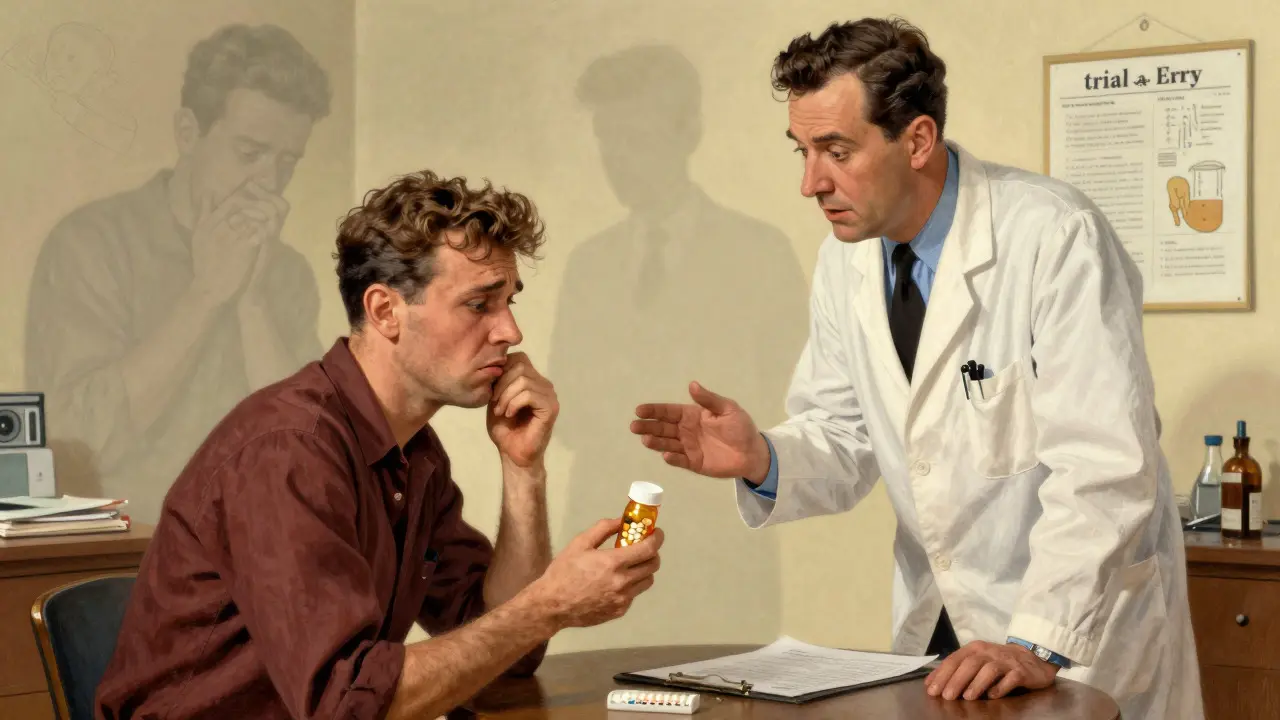
For most people, it isn't necessary. However, for those taking medications with narrow therapeutic windows or those who have failed multiple antidepressant trials, pharmacogenomic testing can be invaluable. It removes the "trial and error" phase of prescribing and helps avoid severe adverse reactions.

mimi clouet
April 12, 2026 AT 13:37Actually, it's super important to remember that grapefruit juice is a huge CYP3A4 inhibitor! 🍊 That's why you see those warnings on medication labels all the time. It basically blocks the enzyme and can make some drugs way too strong in your system 💊✨
Billy Wood
April 13, 2026 AT 06:08Knowledge is power!!! Read your labels!!! Stay safe!!!
Haley Moore
April 14, 2026 AT 09:57Ugh, imagine not knowing about pharmacogenomics in 2024. It's literally so basic. I've been talking about my CYP2D6 status since forever and people still act like it's some kind of magic trick 🙄💅
Catherine Mailum
April 15, 2026 AT 09:07oh wow i'm sure the pharma companies just love it when we actually understand why our meds aren't working... truly a shocker that they don't just tell us this stuff upfront lol
S.A. Reid
April 17, 2026 AT 03:43One must contemplate whether the standardization of these phenotypes is merely a convenient narrative constructed by the medical industrial complex to streamline pharmaceutical distribution. It is quite plausible that these 'enzymatic variations' are being leveraged to mask the inherent instability of the synthetic compounds themselves. I find it rather curious that the focus remains on the liver's failure to process the drug rather than the drug's failure to be biologically compatible. One should always maintain a healthy skepticism regarding the biological determinism presented in such summaries. The notion of a 'genetic lottery' is a delightfully poetic way to dismiss the systemic anomalies of modern pharmacology. I suspect there are variables in the CYP450 system that are intentionally omitted from public discourse to prevent undue scrutiny of certain patented molecules. It is an elegant system of control, wrapped in the guise of biochemical necessity. The correlation between specific inhibitors and toxic spikes is well-documented, yet the underlying cause of why we are shifted toward these specific substrates is rarely interrogated. One must wonder who truly benefits from this specific mapping of human metabolism. It is a fascinatinly curated version of reality. Truly a masterpiece of institutional redirection.
Anurag Moitra
April 18, 2026 AT 19:11The distinction between competitive and irreversible inhibition is a critical point for any student of pharmacology to master. It is essential to recognize that the time required for the body to synthesize new enzymes during irreversible inhibition significantly complicates the clinical management of drug toxicity.
Clare Elizabeth
April 19, 2026 AT 02:02this is such a great way to explain it! its so cool how our bodies have these built in systems to handle everything. keep sharing this stuff
Jasmin Stowers
April 20, 2026 AT 02:31really helps make the complex stuff simpler
David Snyder
April 21, 2026 AT 03:24I've always found the concept of ultra-rapid metabolizers fascinating. It's a good reminder that we all process things differently and it's okay to ask for dosage adjustments if things don't feel right.
Brooke Mowat
April 22, 2026 AT 14:05it's like a cosmic dance of molekules inside us lol. just imagine the tiny shredders goin wild in there tryin to keep up with the chaos. srsly such a trippy way to look at health!