Medication Safety: Protect Yourself from Dangerous Interactions and Errors
When you take a medication safety, the practice of using drugs correctly to avoid harm while maximizing benefits. Also known as drug safety, it’s not just about following the label—it’s about understanding what else is in your body and how it reacts. Every year, hundreds of thousands of people end up in the hospital because of something as simple as taking turmeric with warfarin, or skipping a dose of insulin because it looked "old." Medication safety means knowing when a supplement is dangerous, when a pill expires, and when a generic isn’t just cheaper—it’s identical.
It’s not just about prescription drugs. drug interactions, when two or more substances change how each other works in your body happen all the time, and most people never realize it. Magnesium supplements can block your osteoporosis meds. SAMe can trigger serotonin syndrome if mixed with antidepressants. Even black pepper, often added to turmeric for "better absorption," can make blood thinners dangerously strong. These aren’t rare cases—they’re documented, predictable, and preventable. Then there’s expired medications, drugs that lose potency or become unsafe after their labeled date. Insulin, EpiPens, and nitroglycerin don’t just stop working—they can fail when you need them most. And it’s not just old pills. supplement interactions, harmful reactions between herbal products and prescription drugs are rarely tracked by doctors because patients don’t tell them. But if you’re taking something labeled "natural," it doesn’t mean it’s safe with your other meds.
Medication safety also includes knowing when to stop self-treating. OTC hemorrhoid creams work—if you use them for the right amount of time. Sunscreen protects—if you reapply correctly. Antihistamines help—if you pick the right one for your schedule. But ignoring warning signs like sudden vision changes, unexplained nausea, or confusion could mean you’re facing drug-induced glaucoma, pancreatitis, or encephalitis. These aren’t hypothetical risks. They show up in real people, often because no one asked the right questions.
What you’ll find here isn’t theory. It’s what happens when people ignore the small details—and how to avoid it. From how to read FDA safety alerts to why your pharmacist should recommend authorized generics, every post is built on real cases, real data, and real consequences. You won’t find fluff. Just clear, direct advice to help you take your meds without putting your life at risk.
Prescription Label Layouts: Why Your Medication Bottle Looks Different
Prescription labels vary wildly across pharmacies and states, confusing patients and increasing medication errors. Learn why your bottle looks different each time-and what you can do to stay safe.
view more
How to Use Patient Counseling to Catch Dispensing Mistakes in Pharmacy Practice
Patient counseling catches 83% of dispensing errors before they reach patients-far more than barcode scans or double-checks. Learn the proven 4-step method pharmacists use to verify medications, prevent mistakes, and turn patients into safety partners.
view more
How to Keep a Complete Medication List for Safe Care Coordination
Keep a complete, up-to-date medication list to prevent dangerous drug interactions and ensure safe care during doctor visits, hospital stays, or emergencies. Learn what to include, how to update it, and why it saves lives.
view more
QT Prolongation and Sudden Cardiac Death from Medications: Key Risk Factors You Need to Know
QT prolongation from medications can lead to sudden cardiac death - but it's often preventable. Learn which drugs carry the highest risk, who's most vulnerable, and what steps you can take to stay safe.
view more
Barcode Scanning in Pharmacies: How It Stops Medication Errors
Barcode scanning in pharmacies cuts medication errors by up to 86% by verifying the right patient, drug, and dose every time. Learn how it works, where it fails, and why it's the most proven safety tool in modern pharmacy.
view more
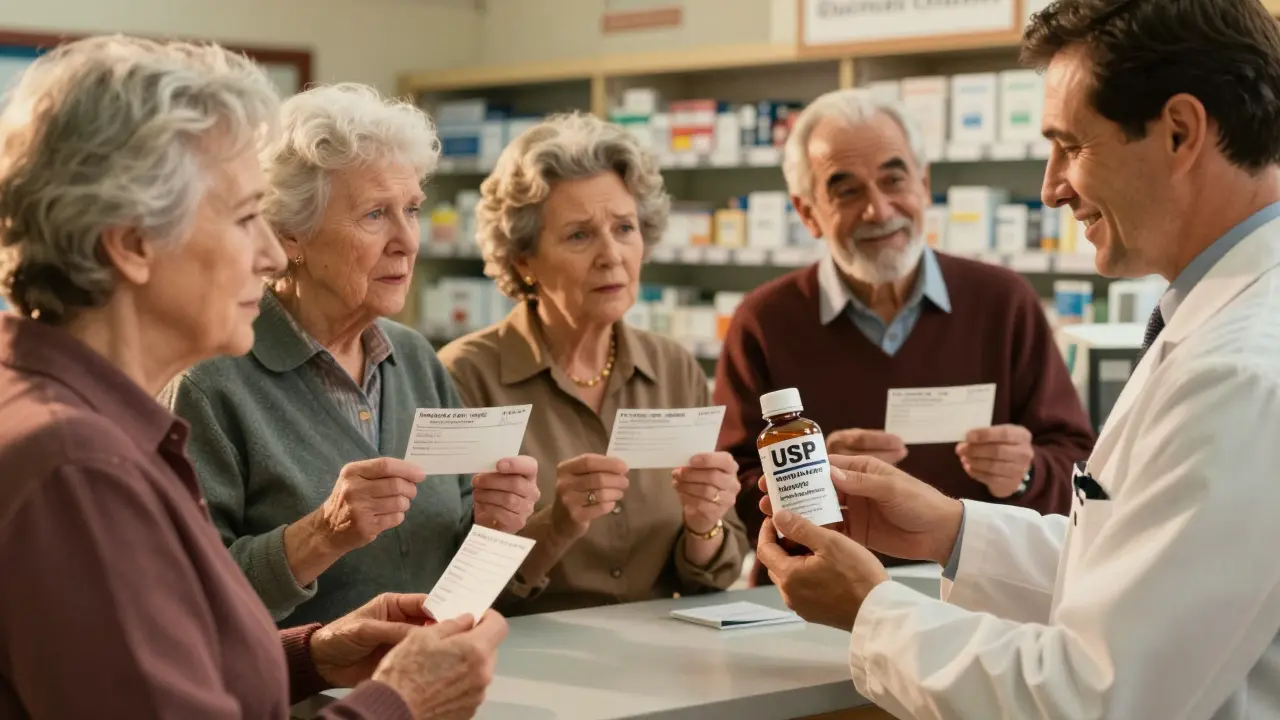
Elderly Patients Switching to Generics: What You Need to Know About Safety and Effectiveness
Elderly patients often switch to generic medications to save money, but age-related changes in the body and medication risks require careful handling. Learn when generics are safe, which drugs need extra caution, and how to avoid dangerous side effects.
view more