Travel Dosing Calculator for Blood Thinners
Your Medication Type
Time Zone Settings
Dosing Schedule
Note: This calculator helps you maintain your medication schedule while traveling. Do not change your medication without consulting your doctor.
Traveling while on blood thinners doesn’t have to be scary-but it does require smart planning. Whether you’re flying across the ocean or driving through several time zones, your medication routine is one of the most important things to protect. Skipping a dose, getting dehydrated, or eating a meal packed with vitamin K could throw off your balance and put you at risk for a clot… or worse, a bleed. The good news? Millions of people manage this every year, and with the right prep, you can too.
Know Which Blood Thinner You’re On
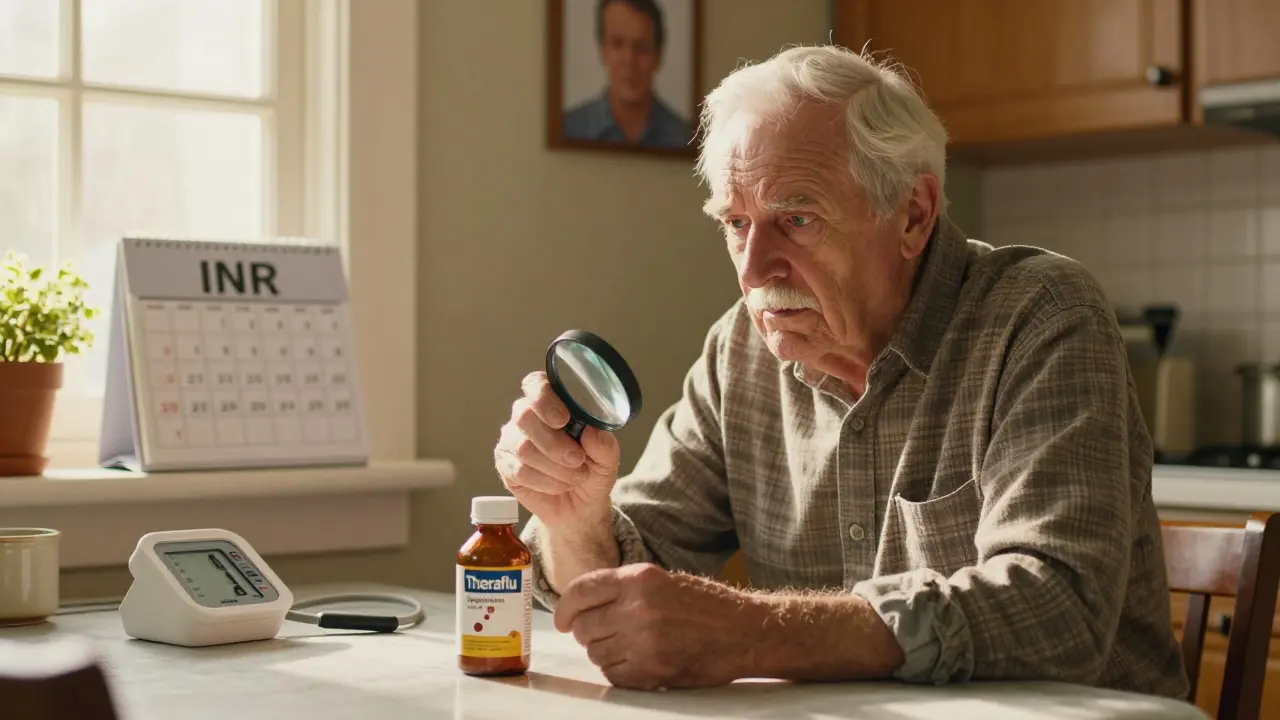
There are two main types of blood thinners used today: warfarin and DOACs (direct oral anticoagulants). They work differently, and that changes how you travel.Warfarin has been around for decades. It’s cheap and effective, but it’s finicky. Your body’s response to warfarin depends heavily on vitamin K, which is found in leafy greens, broccoli, and certain oils. A salad in Italy might be fine, but if you suddenly start eating a lot of kale in Thailand, your INR (a blood test that measures how long it takes your blood to clot) can swing dangerously. That’s why people on warfarin carry a yellow booklet with their INR numbers and dosing history. You need to bring extra pills-different strengths-and know how to adjust them if your INR goes out of range. And yes, you need to get blood tests every few weeks. If you’re abroad, finding a lab that can do an INR test isn’t always easy.
DOACs like apixaban, rivaroxaban, dabigatran, and edoxaban changed the game. They don’t need regular blood tests. They’re not as affected by food. They start working fast and leave your system fast. If you forget a dose one day, you can usually take it within 12 hours without major risk. For travelers, DOACs are the clear winner. They’re more predictable, safer, and way less hassle. If you’re still on warfarin, talk to your doctor about switching before your trip. Many people do.
Timing Matters More Than You Think
Time zones mess with routines. You’re used to taking your pill at 8 a.m. New York time. Now you’re in Tokyo, and it’s 9 p.m. local time. Do you take it at 8 a.m. your old time? Or 8 a.m. local? The answer: stick to the same time relative to your body’s clock.Set an alarm on your phone or smartwatch. Don’t rely on memory. Use the same time zone you were in when you left home for your dosing schedule. So if you normally take it at 8 a.m. EST, keep setting your alarm for 8 a.m. EST-even if that means taking it at midnight in Paris. Why? Because your body expects it. Skipping or shifting doses randomly increases clot risk. For DOACs, missing a dose is less risky than with warfarin, but it’s still not safe. These drugs work for 12 to 24 hours. Skip one, and you’re unprotected.
Hydration Is Non-Negotiable
Airplane cabins are dry. Dehydration thickens your blood. That’s a recipe for clots. Alcohol and sugary drinks? They make it worse. Water is your best friend. Aim for at least 8 ounces every hour on a long flight. Bring a refillable bottle and fill it up after security. Skip the wine, soda, and coffee. They dehydrate you and can interfere with how your medication works.If you’re driving, stop every two hours. Walk around. Stretch your legs. Do seated ankle pumps. Simple movements keep blood flowing. Don’t sit with your legs crossed. Don’t sleep in a cramped position. Even if you’re not on blood thinners, these habits reduce clot risk. For you, they’re essential.

What to Pack (And What Not to Forget)
- Medication: Bring at least double what you’ll need. In case of delays, lost luggage, or a doctor’s visit. Keep it in your carry-on. Never check it.
- Yellow booklet (if on warfarin): This isn’t optional. Medical staff abroad need to see your INR history to treat you properly.
- Prescription copy: A printed copy of your prescription with the generic name and dosage. Translation apps can help, but having it in writing avoids confusion.
- Medical ID: A bracelet or card that says you’re on anticoagulants. In an emergency, this could save your life.
- Reversal agent info (for DOACs): If you’re on apixaban or rivaroxaban, know that andexanet alfa can reverse it. If you’re on dabigatran, idarucizumab exists. You don’t need to carry these-but knowing they’re available gives you peace of mind.
When to Skip Travel Altogether
If you’ve had a blood clot in the last 4 weeks, don’t travel. Not even for a weekend. Your risk of another clot is highest right after treatment. The same goes for recent surgery or a major injury. Your doctor should have told you this-but if they didn’t, ask. The risk isn’t worth it.Also, avoid diving if you’re on warfarin. The pressure changes can cause bleeding in your ears or spinal cord. Even if you’ve done it before, it’s not safe. Same goes for high-altitude hiking above 8,000 feet if you’re on any anticoagulant. Less oxygen means thicker blood. That’s a danger zone.

What to Do If Something Goes Wrong
If you notice unusual bruising, bleeding gums, nosebleeds that won’t stop, dark urine, or sudden swelling in one leg, get help immediately. Don’t wait. Don’t assume it’s just a bug. Clots can form anywhere-your lungs, brain, legs. And bleeding can happen without warning.Most countries have hospitals that can manage anticoagulated patients. But they need to know what you’re on. That’s why your yellow booklet and prescription matter. If you’re in Europe or North America, you’ll likely be fine. In remote areas, call your embassy. They often have lists of English-speaking doctors. Keep your insurance card handy. Some travel insurance policies cover emergency anticoagulant care.
Remember: getting help early means you’re more likely to finish your trip. Waiting means complications. And complications mean longer recovery.
DOACs vs. Warfarin: The Traveler’s Choice
| Factor | Warfarin | DOACs (Apixaban, Rivaroxaban, etc.) |
|---|---|---|
| Monitoring Required | Yes, monthly INR tests | No blood tests needed |
| Diet Restrictions | High-vitamin K affects effectiveness | Low-few food interactions |
| Dosing Flexibility | Low-requires precise timing and adjustments | High-easier to manage across time zones |
| Reversal Agents Available | Vitamin K and fresh frozen plasma | Yes-andexanet alfa and idarucizumab |
| Travel Suitability | Challenging | Excellent |
If you’re still on warfarin and planning a trip, ask your doctor: Can I switch to a DOAC before I go? Most people can. And if you can, you’ll thank yourself later.
Real-World Tips from People Who Do This Every Day
People who’ve traveled with blood thinners for years know what works. They set alarms. They carry snacks low in vitamin K. They avoid airline meals and bring their own. They walk the terminal before boarding. They don’t fly if they’re sick. They tell their travel companions what to watch for.One woman from Ohio told her doctor she was going to Japan. She switched from warfarin to apixaban three months before. She set a daily alarm for 7 a.m. Eastern Time. She drank water all day. She didn’t skip a single dose. She came back with no issues. Another man in Florida kept his warfarin booklet in a waterproof pouch. When he had a nosebleed in Spain, the ER doctor recognized the yellow booklet and treated him within 20 minutes.
You don’t need to be an expert. You just need to be prepared.
Can I fly if I’m on blood thinners?
Yes, you can fly. But you need to take extra steps. Stay hydrated, move around every hour, and never skip your dose. If you’re on warfarin, bring your yellow booklet and enough pills for the whole trip plus extra. DOACs are easier to manage on flights. The risk of a clot during travel is low for most people, but it’s real-and preventable.
What should I do if I miss a dose of my blood thinner?
If you miss a DOAC dose by less than 12 hours, take it as soon as you remember. If it’s more than 12 hours, skip it and take your next dose at the regular time. Never double up. For warfarin, don’t guess. Call your doctor or a local clinic. They may need to check your INR. Missing doses on warfarin is riskier than on DOACs, so be extra careful.
Can I drink alcohol while on blood thinners?
Small amounts-like one drink a day-are usually fine. But alcohol can thin your blood further and increase bleeding risk. It also dehydrates you. That’s why water is better. Avoid binge drinking. If you’re on warfarin, alcohol can interfere with how your liver processes it, making your INR unpredictable. Stick to water unless your doctor says otherwise.
Do I need to tell my airline I’m on blood thinners?
No, you don’t have to tell them. But if you have a medical condition that could affect your safety-like recent surgery or a clot history-it’s smart to carry documentation. Airlines can’t refuse you based on medication, but if you have a medical emergency mid-flight, your paperwork helps the crew respond faster.
Are there countries where it’s harder to get anticoagulant care?
Yes. In rural areas or developing countries, access to blood tests or reversal agents may be limited. That’s why DOACs are preferred-they don’t need testing. If you’re on warfarin, avoid destinations without reliable labs. Always research local hospitals before you go. Your embassy can help you find English-speaking clinics. Carry your prescription and INR booklet so you’re not starting from scratch.