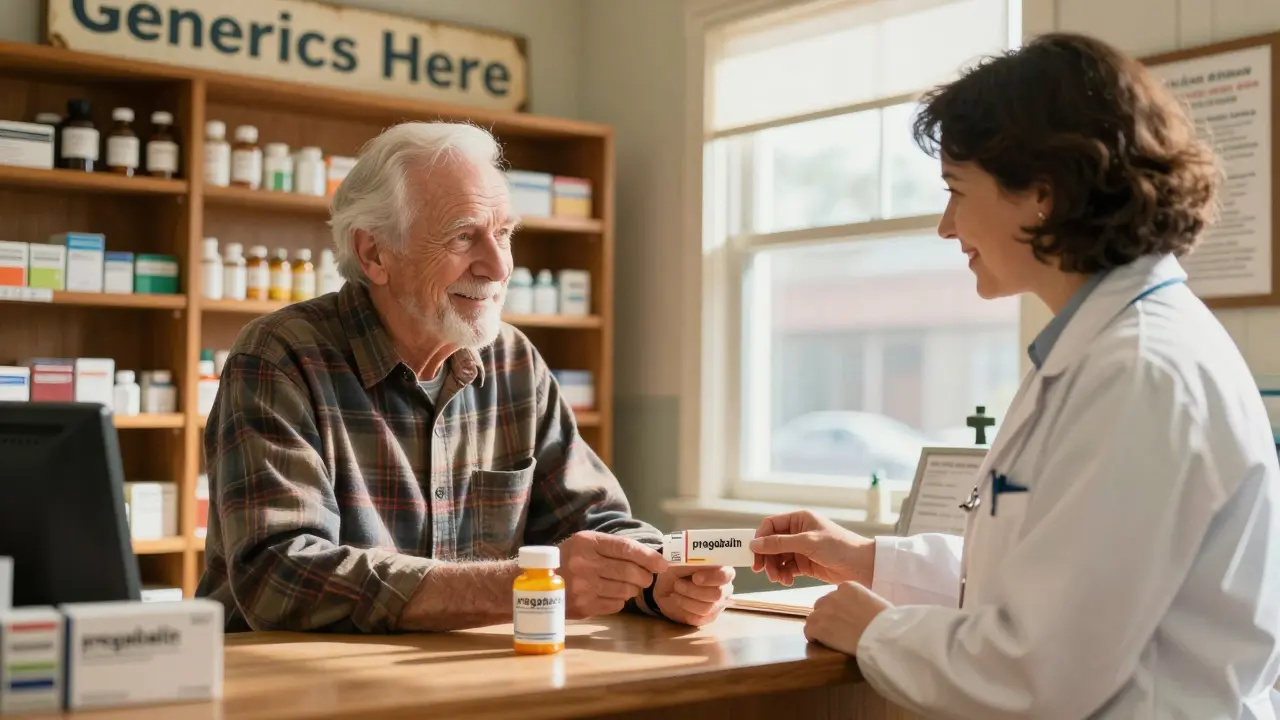
Ever picked up a prescription and been surprised when the generic looked exactly like the brand-name pill - same color, same shape, same logo, just a different label? That’s an authorized generic. It’s not a copy. It’s the real thing, sold under a different name at a lower price. But here’s the catch: not every drug has one. In fact, most don’t.
Authorized generics are made by the same company that makes the brand-name drug, using the exact same ingredients, factory, and quality controls. They don’t need to prove they work the same way - because they’re the same product. The FDA lists over 1,200 authorized generics as of 2019, but that’s out of more than 20,000 prescription drugs on the market. So why do only a small fraction of drugs get this treatment?
How Authorized Generics Work - And Why They’re Not What You Think
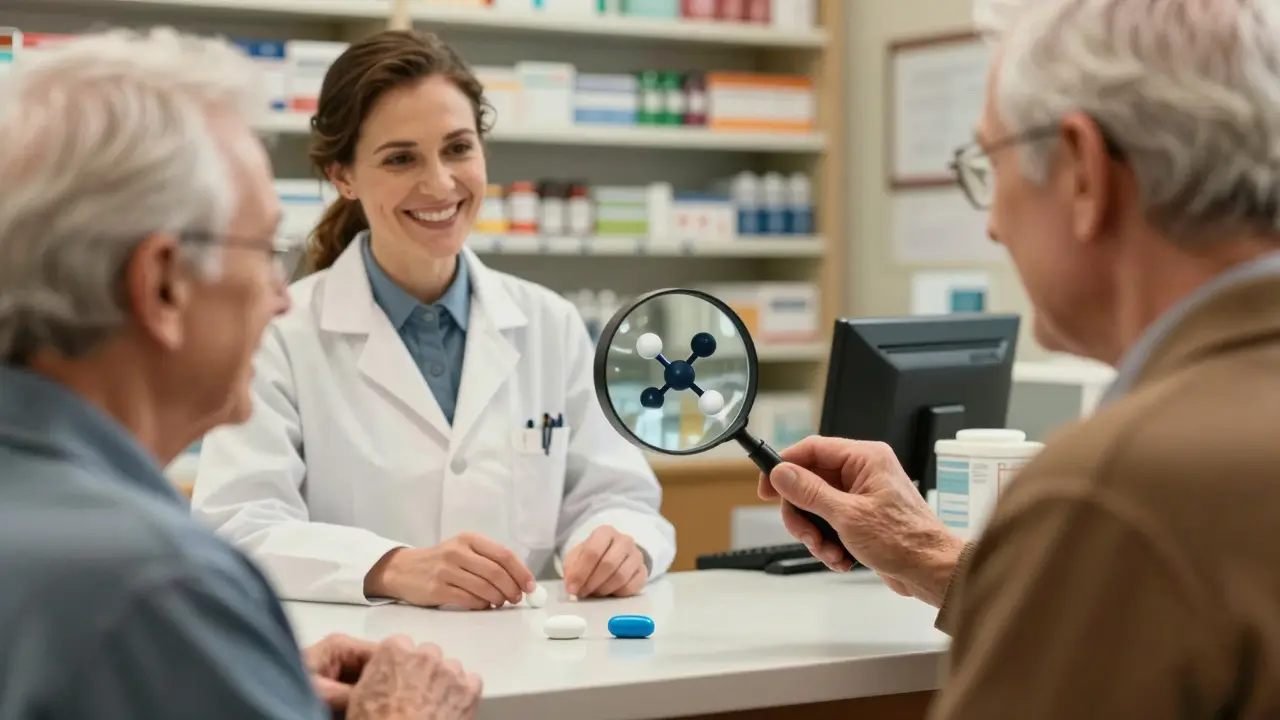
Traditional generics are made by other companies after a brand-name drug’s patent expires. They go through a long, expensive process called an ANDA to prove they’re bioequivalent. That can take years. Authorized generics skip all that. They’re produced under the original drug’s approval (the NDA), so they hit the market instantly.
Think of it like this: Pfizer makes Lyrica. They also make a version of Lyrica with no brand name on the bottle - same pills, same packaging, just labeled as “pregabalin.” That’s an authorized generic. It’s not a knockoff. It’s the exact same drug, sold cheaper.
But here’s the twist: only the brand manufacturer can make an authorized generic. No other company can jump in and produce it. That means if Pfizer doesn’t want to launch an AG, none will exist - even if the patent is expired and dozens of other companies are ready to make traditional generics.
Why Drug Companies Choose (or Skip) Authorized Generics
It’s not about helping patients. It’s about money - and control.
Brand manufacturers use authorized generics as a strategic weapon. One common tactic is to launch an AG right when a generic challenger is about to enter the market. This happens during the 180-day exclusivity window granted to the first generic company that files to copy a drug. If a brand company launches its own AG at the same time, it splits the market. The first generic’s sales drop by 40-52%, according to the FTC. The result? Less profit for the generic company, and less incentive for others to challenge patents in the future.
Take Mylan’s EpiPen. In 2016, Mylan - the same company that raised the price of EpiPen from $100 to over $600 - launched an authorized generic for $300. On the surface, that looks like a win for consumers. But it also crushed the competition. Generic makers couldn’t compete with a product that was identical, cheaper than the brand, and came from the same source. No one else dared to enter.
For drugs with annual sales over $500 million, 89% of manufacturers have used authorized generics. For drugs under $100 million? Only 22%. The math is simple: AGs are a tool for big money. If a drug doesn’t make enough profit, it’s not worth the trouble.

The Real Cost to Patients - And the Confusion Behind the Label
Yes, authorized generics can lower prices. The FTC found that when an AG enters during the 180-day exclusivity period, retail prices drop 4-8% and wholesale prices drop 7-14%. That’s real savings. For a 30-day supply of a $100 drug, that’s $4-$8 saved. For someone on Medicare Part D, that adds up.
But here’s the problem: patients don’t know they’re getting an authorized generic. Pharmacists report a 27% increase in prescription errors when both brand and AG versions are available. Patients get confused when their “generic” suddenly looks like the brand-name pill. One woman in Ohio told her pharmacist, “I didn’t think this was the same drug - it looked just like the one I used to pay $400 for.”
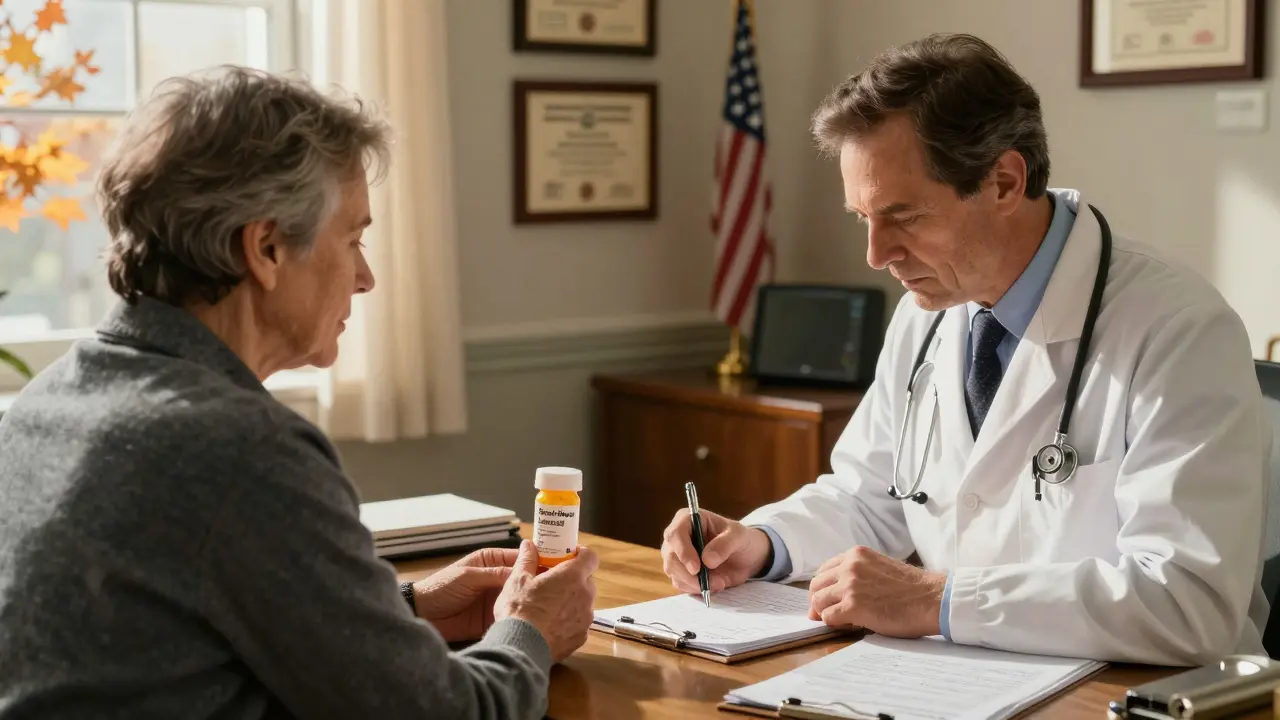
Doctors are confused too. A 2018 survey of 1,200 physicians found that 63% found authorized generics made it harder to decide which version to prescribe. Are they the same? Are they interchangeable? Do insurance plans cover them differently? The lack of clear labeling and inconsistent formulary rules make it messy.
And when the AG disappears? That’s when things get worse. Some brand companies launch an AG only to pull it after the exclusivity period ends. Then the market is flooded with traditional generics - but the price doesn’t drop as much, because the AG created a false sense of competition.

Why the System Favors Big Pharma - And Leaves Most Drugs Out
There’s no law requiring drugmakers to offer authorized generics. No regulation forces them to. It’s entirely voluntary. And that’s the core issue.
The Hatch-Waxman Act of 1984 was meant to speed up generic competition. But authorized generics - invented by big pharma - have turned it into a game of chess. Companies use them to delay, distract, and deter. Instead of encouraging new generic entrants, they use AGs to scare them off.
Studies show that when an AG is expected, the chance that a generic company will challenge a patent drops from 4% to 10%. That’s not a barrier - it’s a wall. And it’s built by the very companies that own the patents.
As of 2023, 78% of patent settlement deals between brand and generic companies now include “no-AG” clauses - meaning the brand company promises not to launch a generic version if the generic company drops its lawsuit. That’s not competition. That’s collusion.
And the FDA? They track authorized generics, but they don’t regulate their use. The agency updated its listing to quarterly updates in 2022 - helpful, but not enough. No one’s stopping a company from launching an AG to kill competition, then pulling it the next month.
What You Can Do - And What’s Changing
Right now, you can’t force a drugmaker to make an authorized generic. But you can be smarter about your prescriptions.
- Ask your pharmacist: “Is this an authorized generic?” If it is, you’re getting the brand drug at a lower price - and that’s a win.
- Check your insurance formulary. Some plans treat authorized generics differently than traditional generics. You might pay more than you should.
- If your drug has no generic at all - even after years on the market - ask your doctor if there’s an alternative. Sometimes another drug in the same class has better generic access.
Legislation is trying to fix this. The Preserve Access to Affordable Generics and Biosimilars Act has been reintroduced in Congress with bipartisan support. It would ban brand companies from launching AGs during the 180-day exclusivity window. The FTC supports it. So do patient groups like AARP.
But until then, the system stays broken. Authorized generics are a tool - not a solution. And unless the rules change, most drugs will never see one.
For now, the only way to know if your drug has an authorized generic is to ask. And hope your drugmaker decides it’s worth their while to make one.


John Pope
January 13, 2026 AT 16:22Okay so let me get this straight - big pharma makes the exact same pill, slaps a different label on it, and calls it an "authorized generic"? And then they use it to scare off real competitors? That’s not capitalism, that’s a monopoly with a PowerPoint presentation. I mean, if I made a copy of my neighbor’s cake, sold it for half the price, and then told everyone else, "Don’t even bother baking," I’d be arrested. But when Big Pharma does it? They get a seat at the FDA table. Absolute farce.
Adam Vella
January 15, 2026 AT 00:40The structural flaw in the Hatch-Waxman Act lies not in its intent, but in its failure to anticipate strategic manipulation of the NDA framework. The authorized generic constitutes a regulatory arbitrage mechanism - a legal loophole exploited to subvert the very competitive dynamics it was designed to foster. The absence of mandatory disclosure protocols regarding manufacturing origin further exacerbates informational asymmetry between prescribers, pharmacists, and patients. This is not market efficiency; it is rent-seeking disguised as innovation.
Alan Lin
January 16, 2026 AT 10:18I’ve seen this firsthand. My mother was on Lyrica for neuropathy. She switched from the brand to the "generic" - same pill, same size, same logo - and didn’t realize it was the exact same drug until her pharmacist told her. She was furious. Furious that she’d been paying $400 a month for years thinking she was getting a "cheaper version," when all along, the company could’ve given her the same thing for $120. This isn’t about profit margins. It’s about exploiting human trust. People aren’t numbers. They’re grandparents, parents, kids. And this system is treating them like pawns.
Robin Williams
January 17, 2026 AT 23:52bro i just found out my "generic" epipen looked exactly like the brand one and i thought i was getting ripped off… but it was the authorized one?? like… why does this even exist?? why not just make the price fair from the start?? why do we need this whole confusing theater?? i just want to live and not have to be a pharma detective just to afford my meds
Anny Kaettano
January 18, 2026 AT 03:22Let’s talk about the human impact. The confusion isn’t just about labeling - it’s about anxiety. People on fixed incomes are terrified they’ll get the "wrong" version and their body will react. And when the authorized generic disappears? That’s not market dynamics - that’s psychological manipulation. Pharmacists are stuck in the middle, trying to explain a system that makes zero sense. We need mandatory color-coding, standardized labeling, and public education campaigns. This isn’t just policy - it’s a public health crisis wrapped in corporate jargon.
Kimberly Mitchell
January 18, 2026 AT 16:43It’s not complicated. If you’re making the exact same product, you should be required to sell it at the same price as your generic competitors - or be fined for anti-competitive behavior. The fact that this is even a debate shows how broken our system is. No more loopholes. No more "authorized" lies. Just fair pricing. End of story.
Angel Molano
January 19, 2026 AT 08:10Stop pretending this is about patients. It’s about profit. They’re not helping anyone. They’re just playing games with people’s lives. Ban authorized generics during exclusivity. Now.
Vinaypriy Wane
January 19, 2026 AT 12:59As someone from India, where generics are the backbone of healthcare access, I find this system horrifying. In my country, we don’t have "authorized" versions - we have real competition. Multiple manufacturers. Lower prices. Transparency. Here, you’re not just paying for a drug - you’re paying for a corporate strategy. And the FDA? Watching. Silent. This isn’t innovation. It’s exploitation. And it’s not just American - it’s a global shame.