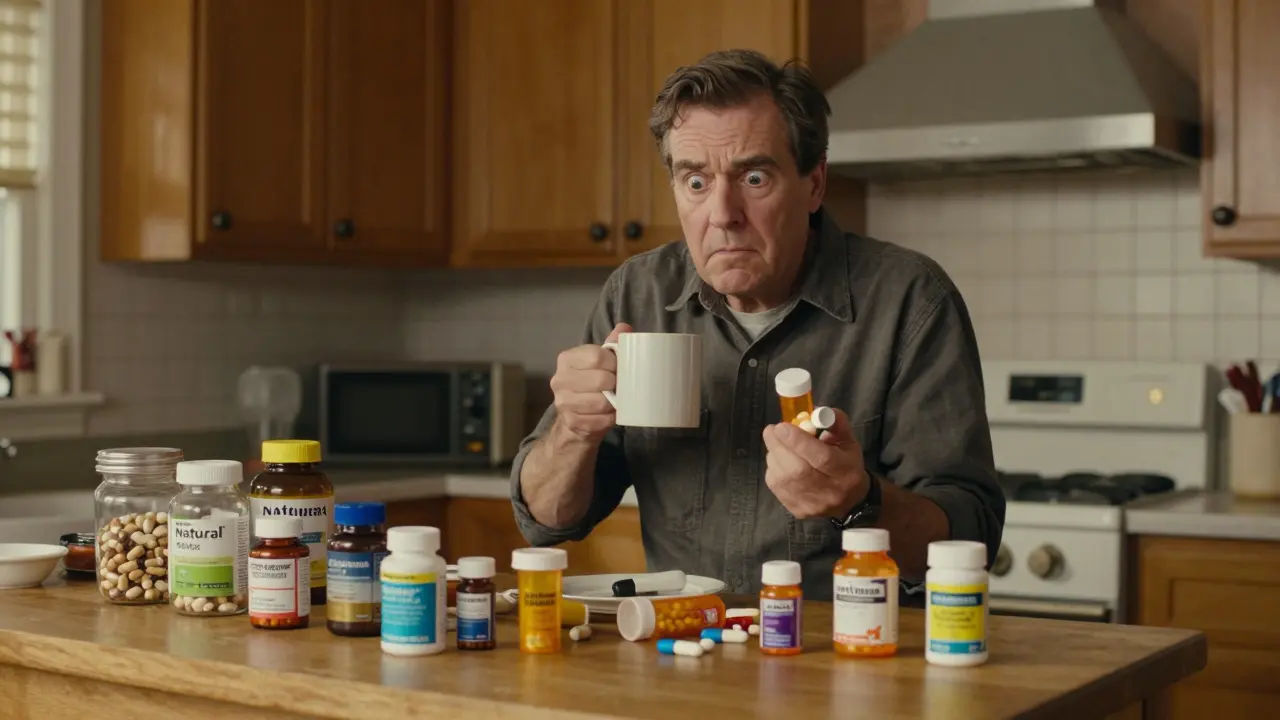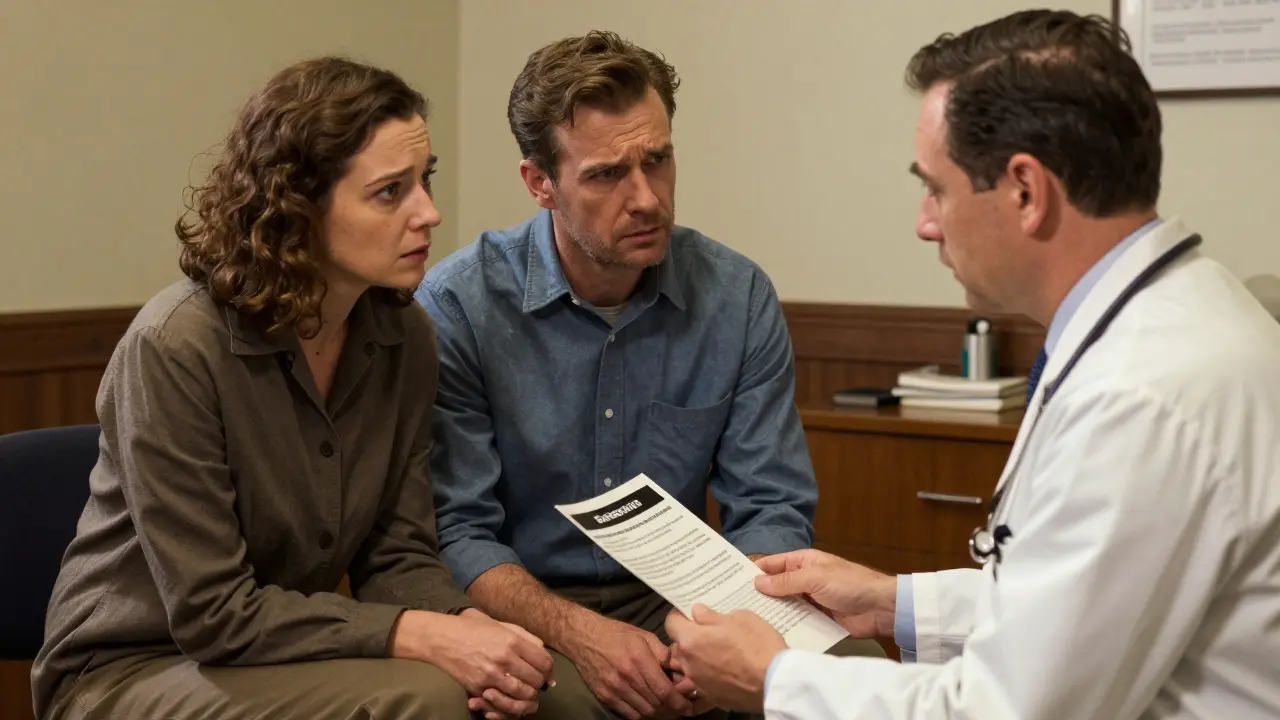
Imagine you are a parent sitting in a doctor's office. Your teenager is struggling with severe depression, barely leaving their room, and showing signs of hopelessness. The psychiatrist suggests starting an antidepressant. Then, they hand you a pamphlet with a stark warning framed in black ink. It says the medication might increase the risk of suicidal thoughts. What do you do? Do you trust the science that could help your child heal, or do you fear the warning that suggests the cure might be worse than the disease?
This dilemma has defined pediatric mental health care in the United States for nearly two decades. The FDA Black Box Warning on antidepressants for children, adolescents, and young adults is the strongest safety alert the U.S. Food and Drug Administration can issue. While intended to protect young patients, recent data suggests this warning may have inadvertently caused more harm than good by discouraging life-saving treatments.
The Origin of the Warning
To understand the current debate, we need to look back at where it started. In October 2003, the FDA issued a health advisory after reviewing clinical trials. By January 2005, this became a permanent "black box" warning on all prescription antidepressants. In May 2007, the agency expanded this warning to include young adults up to age 24.
The decision was based on a meta-analysis of 24 short-term, placebo-controlled trials involving over 4,400 patients. These studies focused primarily on Major Depressive Disorder (MDD), obsessive-compulsive disorder, and other psychiatric conditions. The analysis revealed a small but statistically significant difference: 4% of patients taking antidepressants experienced suicidal thinking or behavior, compared to 2% of those taking a placebo.
Crucially, no actual suicides occurred in these controlled clinical trials. The warning highlighted "suicidality," which includes ideation and attempts, not completed deaths. The FDA’s goal was to ensure physicians monitored patients closely for any unusual changes in behavior, especially during the first few months of treatment.
What the Warning Actually Says
The language required by the FDA is specific and bold. It states: "Antidepressants increase the risk of suicidal thinking and behavior (suicidality) in children and adolescents with MDD and other psychiatric disorders." This text appears at the top of paper inserts accompanying the medication.
The warning applies broadly. It covers Selective Serotonin Reuptake Inhibitors (SSRIs) like fluoxetine (Prozac) and sertraline (Zoloft), as well as other classes of antidepressants. It does not specify dosage thresholds or limit its application to certain durations of use. Instead, it mandates that anyone considering antidepressant use for a child must balance the risk of increased suicidality against the clinical need for treatment.
Additionally, the FDA required the creation of Medication Guides (MedGuides). Pharmacists must distribute these guides with every prescription or refill. These guides provide direct information to patients and families about the risks, aiming to empower them with knowledge before starting therapy.
The Unintended Consequences
While the intention was to improve safety through monitoring, the real-world impact tells a different story. A systematic review published in Health Affairs in 2023, led by researchers from Harvard Pilgrim Health Care Institute, analyzed data from 1.1 million adolescents across eleven U.S. health plans. The findings were alarming.
Following the 2005 black-box warning, there was a 21.7% abrupt increase in psychotropic drug poisonings among adolescents. Researchers used poisonings as a proxy for suicide attempts. Among young adults affected by the 2007 expansion, this spillover effect saw a 33.7% increase in such incidents. Meanwhile, antidepressant prescriptions dropped significantly. Studies show reductions in treatment ranging from 20% to 50%.
Why did this happen? Fear. Parents and doctors became hesitant. The warning created a perception that antidepressants were inherently dangerous for youth, leading many to refuse treatment entirely. Dr. Stephen Soumerai of Harvard Pilgrim noted that the consistency in observed harms-reduced treatment and increased suicide attempts-suggests the warnings had detrimental effects rather than protective ones.

Risk vs. Benefit: The Data Gap
Let’s look at the numbers closely. The clinical trial data showed a 2 percentage point increase in suicidal ideation between drug and placebo groups. However, untreated depression carries its own massive risks. Depression is a leading cause of suicide among young people.
CDC WONDER mortality data shows that suicide rates among 10- to 19-year-olds increased from 2.0 per 100,000 in 2003 to 3.5 per 100,000 in 2007-a 75% increase. This rise coincided with the period following the black-box warning. Independent researchers, including Zoltán Rihmer and Göran Isacsson, analyzed Swedish suicide data and concluded that the warning may have increased young suicides by leaving vulnerable individuals without effective treatment.
The Mayo Clinic advises parents to get the facts. They emphasize that while the warning is alarming, the benefits of treating severe depression often outweigh the risks when patients are properly monitored. The key is not avoidance, but vigilance.
Challenges for Healthcare Providers
Doctors face a difficult reality. A 2019 survey by the American Academy of Child and Adolescent Psychiatry (AACAP) found that 87% of child psychiatrists reported increased difficulty prescribing antidepressants after the warning. Seventy-three percent noted that parents’ heightened concerns required additional consultation time.
The average time spent addressing these concerns jumped from 8.2 minutes pre-warning to 22.7 minutes post-warning. Documentation requirements also surged, with 94% of psychiatrists reporting mandatory additional consent forms. Proper implementation requires weekly monitoring during the first month, bi-weekly for the second, and regular checks thereafter. Yet, a 2020 study in JAMA Network Open found only 37.2% of youth patients received this recommended frequency, with rural areas showing compliance rates as low as 22.4%.

Public Perception and Parental Fear
Online communities reveal deep confusion. On Reddit’s r/mentalhealth, a thread discussing the warning garnered hundreds of comments. Sixty-eight percent expressed concern about medication safety, while 32% shared positive experiences under medical supervision. One parent noted, "My daughter's psychiatrist told us the warning was causing more harm than good because families were refusing treatment that could save lives."
A survey by the National Alliance on Mental Illness (NAMI) found that 74% of users on a depression support forum delayed or refused antidepressant treatment for their children due to the black box warning. Forty-one percent cited "fear of making suicidal thoughts worse" as their primary reason. However, among those who pursued treatment despite the warning, 67% reported positive outcomes, noting that the warning made them more vigilant about monitoring early warning signs.
Current Developments and Future Outlook
Momentum is growing to reevaluate the warning. The American College of Neuropsychopharmacology issued a position statement in June 2022 calling for a careful reassessment based on real-world outcomes. The FDA held a public advisory committee meeting in September 2023 to review the evidence. Pharmaceutical companies like Eli Lilly and Pfizer have petitioned the FDA to modify the warning language.
Internationally, approaches differ. Health Canada maintains a similar warning but emphasizes benefit-risk balance. The European Medicines Agency has never implemented an equivalent warning, which may explain why European countries did not experience the same post-warning suicide rate increases seen in the U.S.
The National Institute of Mental Health (NIMH) is developing more precise risk stratification tools. The goal is to replace the blanket warning with targeted guidance that identifies high-risk patients without discouraging treatment for the broader population. Preliminary results are expected in 2024.
| Metric | Pre-Warning (2003-2004) | Post-Warning (2005-2007) | Change |
|---|---|---|---|
| Antidepressant Prescriptions (Ages 10-19) | Baseline | Decreased | -31.0% |
| Youth Depression Diagnoses | Baseline | Increased | +14.3% |
| Suicide Rate (Ages 10-19) | 2.0 per 100,000 | 3.5 per 100,000 | +75% |
| Psychotropic Poisonings (Proxy for Attempts) | Baseline | Increased | +21.7% |
How Parents Can Navigate This Decision
If you are considering antidepressants for your child, here are practical steps to take:
- Talk openly with your provider: Ask specifically about the benefits versus the risks for your child’s unique situation. Don’t let the warning silence the conversation.
- Create a safety plan: Work with your doctor to identify warning signs of worsening symptoms or suicidal ideation. Know who to call and what steps to take if these signs appear.
- Commit to monitoring: Attend all follow-up appointments. During the first month, check in with your child daily. Look for changes in sleep, appetite, mood, and behavior.
- Educate yourself: Read the Medication Guide provided by the pharmacist. Understand that the warning is about *increased risk*, not guaranteed harm.
- Consider therapy: Antidepressants work best when combined with psychotherapy, such as Cognitive Behavioral Therapy (CBT). Ask your doctor about integrated treatment options.
Does the black box warning mean antidepressants are unsafe for teens?
No. The warning indicates an increased risk of suicidal thinking in some patients, particularly during the initial weeks of treatment. It does not mean the drugs are universally unsafe. For many young people, antidepressants are essential for managing severe depression and preventing suicide. The key is close medical supervision.
Why did the FDA expand the warning to young adults aged 25 and under?
In 2007, the FDA expanded the warning to include young adults up to age 24 because data suggested this age group also faced an elevated risk of suicidality when starting antidepressants. Young adulthood is a critical period for mental health, and the agency aimed to ensure consistent monitoring across this demographic.
What should I do if my child starts having suicidal thoughts after starting medication?
Contact your healthcare provider immediately. If you believe your child is in immediate danger, call emergency services or go to the nearest emergency room. Do not wait for the next scheduled appointment. Early intervention is critical. Remove access to means of self-harm and stay with your child until professional help arrives.
Are there alternatives to antidepressants for youth depression?
Yes. Psychotherapy, particularly Cognitive Behavioral Therapy (CBT) and Interpersonal Therapy (IPT), is highly effective for mild to moderate depression. Lifestyle changes, including regular exercise, improved sleep hygiene, and social support, also play a crucial role. For severe cases, a combination of medication and therapy is often the most effective approach.
Is the black box warning still in effect today?
Yes, as of 2026, the black box warning remains on all prescription antidepressants in the United States. However, there is ongoing debate and pressure from medical experts and pharmaceutical companies to modify or remove it, citing evidence that it has discouraged necessary treatment and potentially increased suicide rates.