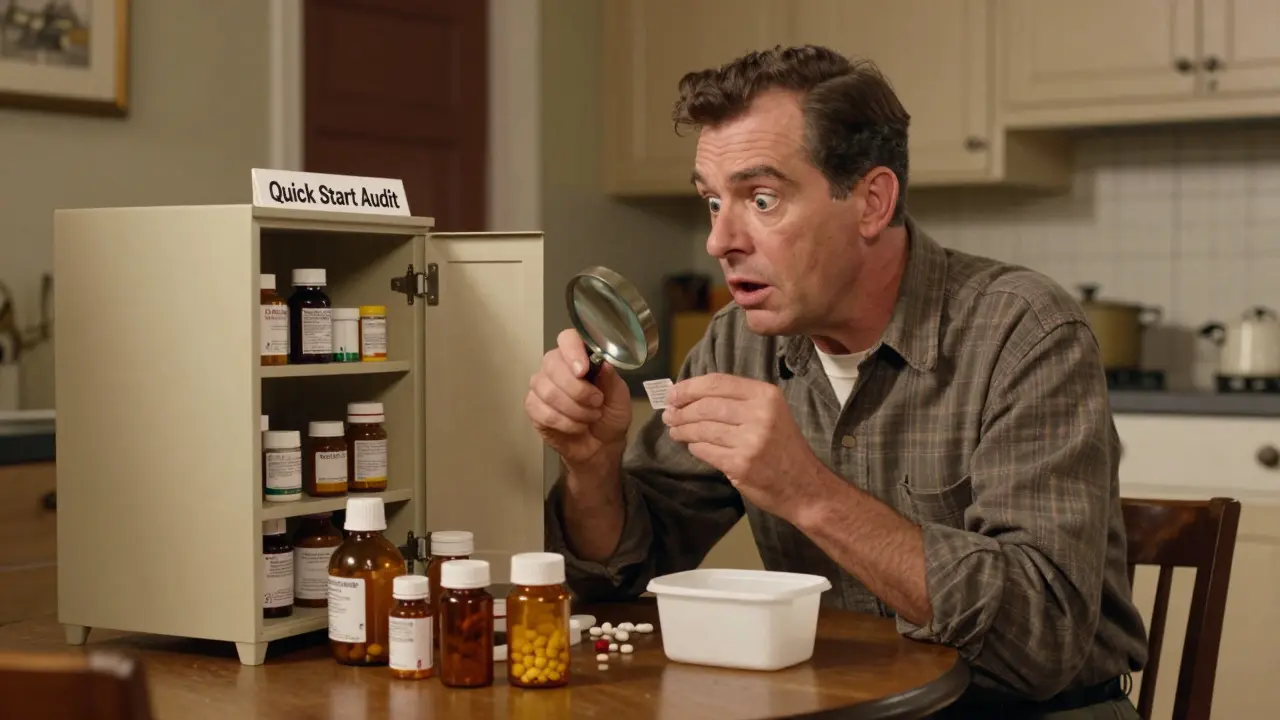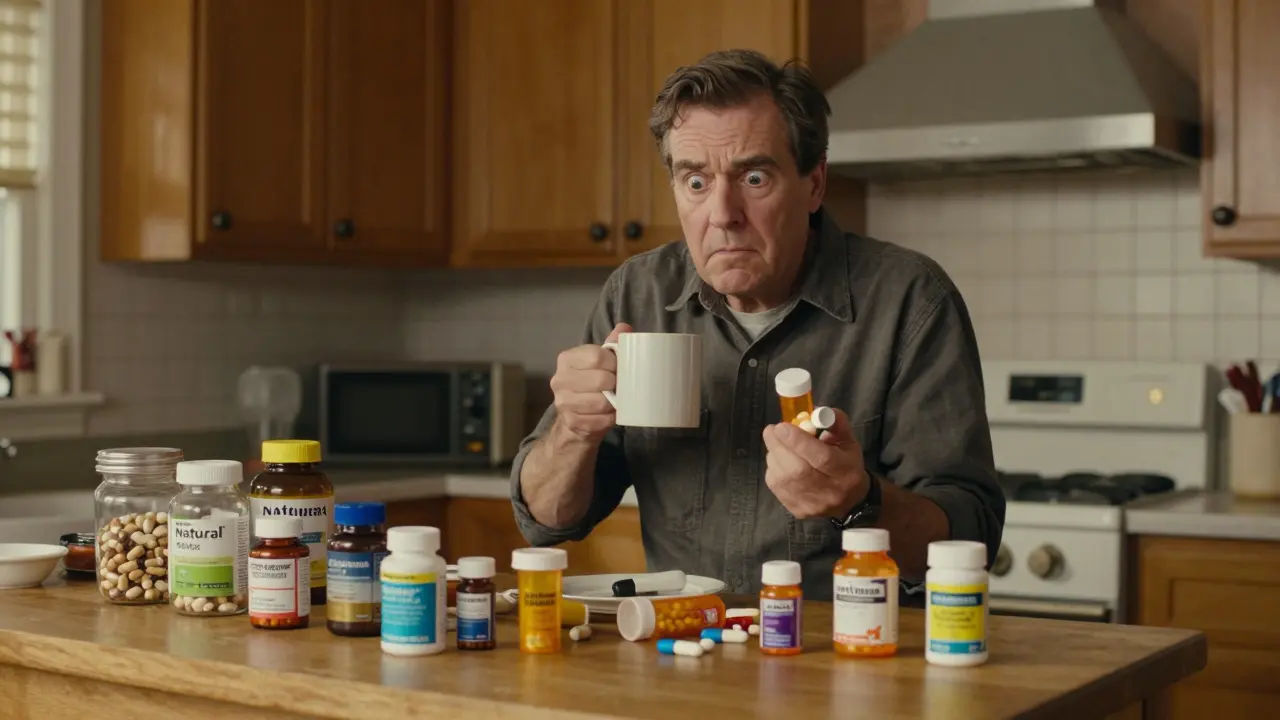
You pop your morning coffee, swallow a multivitamin, take your prescribed blood pressure pill, and maybe toss in a turmeric capsule for joint pain. It sounds like a routine health stack, but for millions of people, this daily ritual is a chemical roulette game. Dietary supplement-drug interactions are not just theoretical risks found in medical textbooks; they are real, dangerous events that send thousands to the emergency room every year. The scary part? Most people don't even know it’s happening until their medication stops working or causes severe side effects.
The Hidden Danger of 'Natural' Products
We tend to think that if something is sold in a vitamin aisle rather than a pharmacy, it must be harmless. This is a massive misconception. In the United States, dietary supplements are regulated under the Dietary Supplement Health and Education Act (DSHEA) of 1994. Unlike prescription drugs, which must prove they are safe and effective before hitting the market, supplements are treated more like food. Manufacturers don’t need FDA approval to sell them. They only need to ensure safety before marketing, and the FDA can only step in after a product is proven unsafe by consumers getting sick.
This regulatory gap creates a blind spot. About 75% of U.S. adults use dietary supplements, according to the American Heart Association. When you combine that high usage rate with the fact that most patients don’t tell their doctors what they’re taking, you get a perfect storm for adverse events. Dr. Craig M. Kessler from Georgetown University testified that these interactions contribute to roughly 23,000 emergency department visits and 2,000 hospitalizations annually. That’s not a small number. It’s a public health issue hiding in plain sight.
How Supplements Mess With Your Meds
To understand why these interactions happen, you need to look at how your body processes substances. There are two main ways supplements interfere with drugs:
- Pharmacokinetic Interactions: These affect how much of the drug ends up in your bloodstream. A supplement might speed up your liver’s ability to break down a drug, meaning the medicine wears off too fast. Or it might slow things down, causing toxic levels of the drug to build up.
- Pharmacodynamic Interactions: These change what the drug actually does to your body. For example, if a supplement thins your blood and your medication also thins your blood, the combined effect could lead to uncontrollable bleeding.
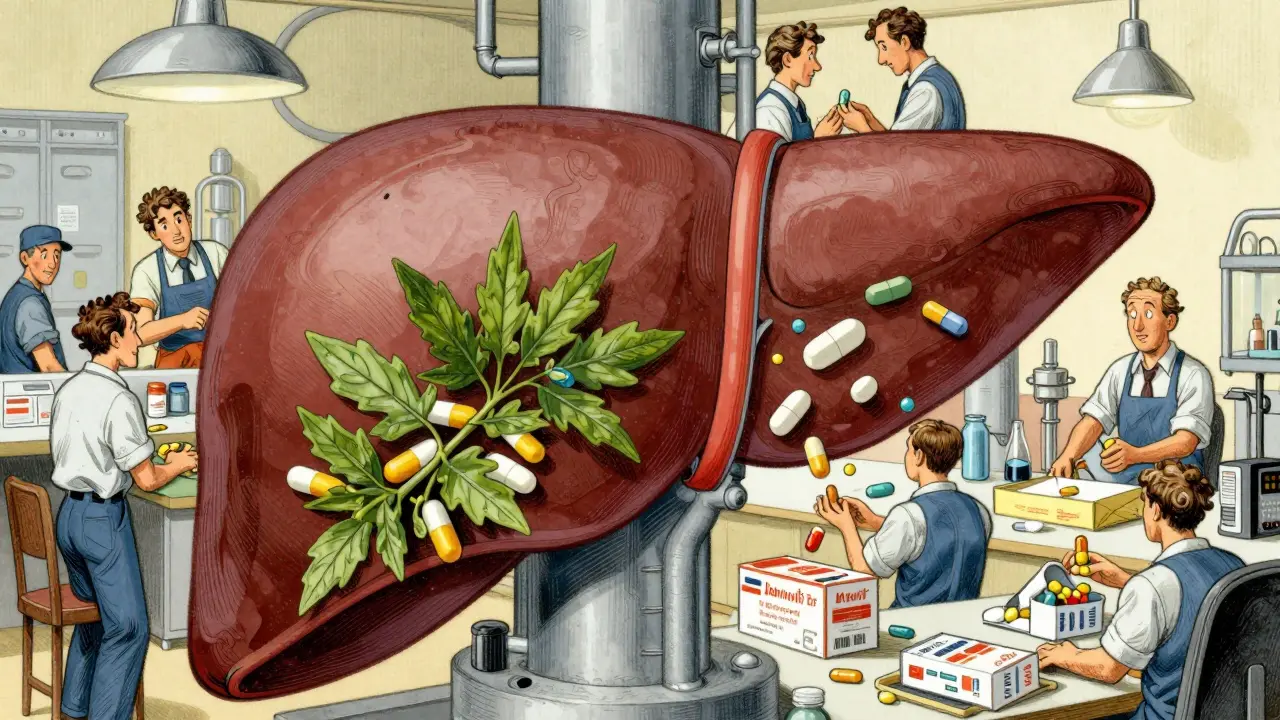
A classic example involves St. John's wort. This popular herbal remedy for mild depression is a powerhouse inducer of enzymes in your liver, specifically cytochrome P450 3A4. When you take it, your liver goes into overdrive, breaking down other medications much faster than intended. Studies have shown it can reduce the effectiveness of cyclosporine (an immunosuppressant) by 57% and indinavir (an HIV drug) by 54%. If you’re on life-saving medication, losing half its potency isn’t a minor inconvenience-it’s a crisis.
High-Risk Combinations You Need to Know
Not all supplements are created equal when it comes to risk. Herbal supplements account for 65% of documented severe interactions, despite making up a smaller slice of the sales pie. Here are some of the most dangerous mixes identified by the National Center for Complementary and Integrative Health (NCCIH) and clinical studies:
| Supplement | Medication Class | Risk/Effect |
|---|---|---|
| St. John's Wort | Antidepressants, Birth Control, Blood Thinners | Reduces drug levels significantly; can cause breakthrough seizures or pregnancy. |
| Ginkgo Biloba | Warfarin (Coumadin) | Increases bleeding risk; INR levels can spike dangerously high. |
| Vitamin K (Green Tea Extract) | Warfarin | Counteracts anticoagulant effects, increasing clotting risk. |
| Magnesium/Antacids | Quinolone Antibiotics | Binds to antibiotic in stomach, reducing absorption by up to 90%. |
| Calcium | Levothyroxine (Thyroid Meds) | Reduces thyroid hormone absorption by 25-50%. |
| CBD Oil | Clobazam (Seizure Meds) | Can increase drug levels by 60-500%, leading to toxicity. |
Take Ginkgo biloba, often taken for memory support. While generally safe on its own, combining it with warfarin (a common blood thinner) has led to case reports where patients’ INR values-a measure of blood clotting time-shot up from a therapeutic range of 2-3 to over 6.5. That’s a recipe for internal bleeding. Similarly, magnesium-containing antacids can bind to certain antibiotics in your gut, preventing them from being absorbed. You might finish a course of antibiotics thinking you’ve cured an infection, only to find out later that less than 10% of the drug ever entered your system.
Why Doctors Often Miss These Interactions
If these risks are so well-documented, why do they still happen? The biggest culprit is communication breakdown. A study published in *Patient Education and Counseling* found that between 43% and 69% of patients fail to disclose their supplement use during medical visits. Why? Many assume their doctor doesn’t care, or worse, that the doctor “doesn’t know anything about supplements anyway.”
There’s also a knowledge gap among providers. A 2020 study in the *Journal of the American Pharmacists Association* revealed that only 32% of pharmacists could correctly identify all major supplement-drug interactions in a standardized test. However, after just four hours of continuing education, that number jumped to 87%. This suggests the problem isn’t malice or negligence, but a lack of specific training and time.
Furthermore, the labels themselves aren’t helping. Dr. Paul M. Kemper, Director of the NCCIH, noted that 78% of supplement labels contain no interaction warnings despite known risks. You buy a bottle of “natural” heart support, and unless you dig deep into the fine print or consult a specialist, you won’t see that it contains hawthorn, which can interact with digoxin.
How to Protect Yourself: A Practical Checklist
You don’t need to stop taking supplements entirely, but you do need to manage them like medications. Here is a practical approach to staying safe:
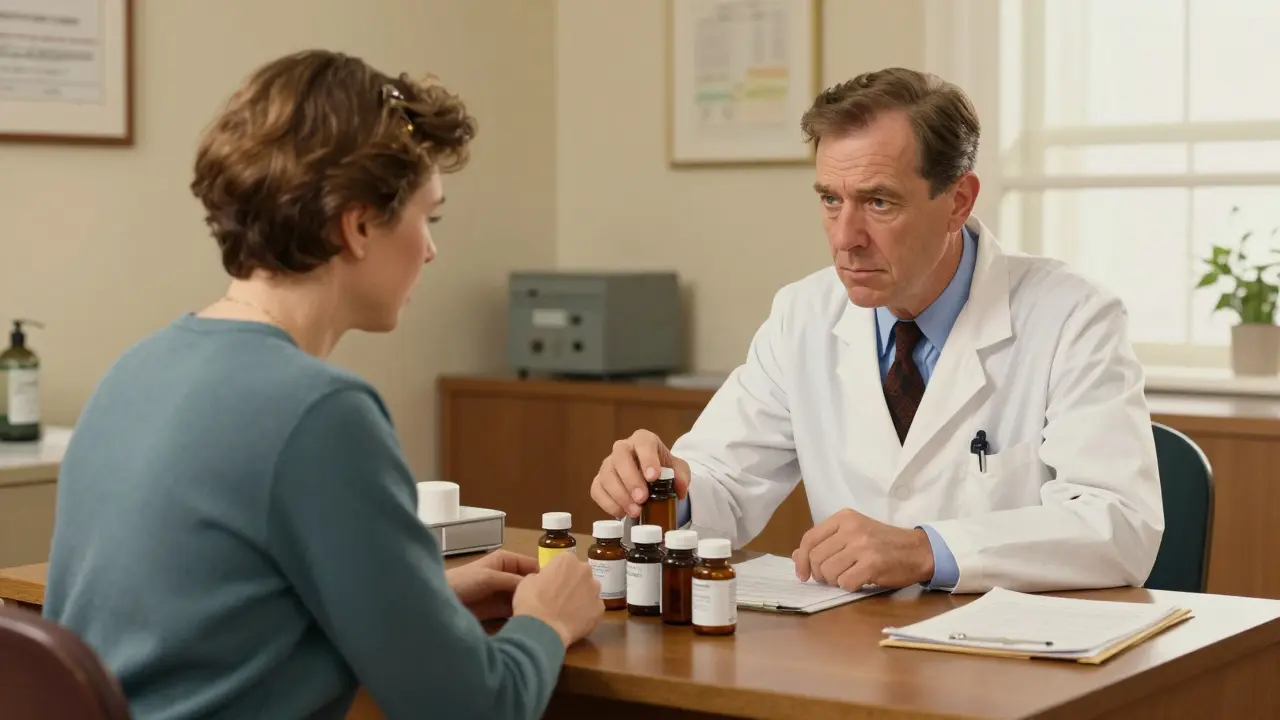
- Bring the Bottles: Don’t just say “I take vitamins.” Bring the actual bottles to your next appointment. Dosage matters. One brand of St. John’s wort might have a different concentration of active compounds than another.
- Ask Specific Questions: Instead of asking “Is this safe?”, ask “Does this interact with my current list of prescriptions?” Be explicit about everything: herbs, amino acids, protein powders, and even green tea extracts.
- Use Trusted Resources: Not all online info is equal. Consult databases like the Natural Medicines Database or NIH’s LiverTox. These resources provide evidence-based ratings on interaction likelihood (e.g., “Major,” “Moderate,” or “Minor”).
- Space Out Timing: For some interactions, timing is everything. Calcium and iron supplements should typically be taken at least 2-4 hours apart from thyroid medications or certain antibiotics to prevent binding in the stomach.
- Monitor Levels: If you must take a high-risk combination (like CBD and seizure meds), work with your doctor to monitor blood levels closely. Adjustments may be needed frequently.
The University of Connecticut’s patient safety program emphasizes using plain language. Tell your provider exactly what you bought, where you bought it, and why you’re taking it. This transparency allows them to check for red flags before harm occurs.
The Future of Regulation and Safety
The landscape is slowly changing. The FDA has issued draft guidance emphasizing the need for interaction data for new dietary ingredients. There is also bipartisan support in Congress for reforming DSHEA to require pre-market safety reviews for supplements with novel ingredients or specific health claims. The Government Accountability Office reported that the current post-market surveillance system captures less than 1% of actual adverse events, highlighting the urgent need for better tracking.
Until then, the responsibility falls largely on you. The $52 billion supplement industry is growing, projected to reach $82 billion by 2028. As more products hit the shelves, the potential for interactions grows with them. Knowledge is your best defense. Treat your supplements with the same respect and caution as your prescription pills. Your health depends on the synergy of your entire regimen, not just one piece of it.
Are natural supplements safer than prescription drugs?
No. "Natural" does not mean safe or free of side effects. Many herbal supplements contain potent bioactive compounds that can alter liver enzymes and blood chemistry just as strongly as pharmaceutical drugs. In fact, because they are less strictly regulated, they may carry higher risks of contamination or inconsistent dosing.
Which supplement has the most dangerous drug interactions?
St. John's wort is widely considered the highest-risk supplement. It induces liver enzymes that break down many medications, including antidepressants, birth control pills, blood thinners, and immunosuppressants, rendering them ineffective. It accounts for approximately 30% of clinically significant supplement-drug interactions.
Can vitamins interact with medications?
Yes. Vitamin K, found in green tea extract and leafy greens, directly counteracts the blood-thinning effects of warfarin. Vitamin E in high doses can also increase bleeding risk. Additionally, calcium and iron supplements can block the absorption of certain antibiotics and thyroid medications if taken at the same time.
Why don't doctors always ask about supplements?
While many doctors do ask, time constraints and patient non-disclosure are major barriers. Studies show nearly half of patients hide their supplement use due to fear of judgment or belief that doctors lack knowledge in this area. Patients must proactively disclose all supplements to ensure safety.
What should I do if I suspect a supplement interaction?
Stop taking the supplement immediately and contact your healthcare provider or pharmacist. Do not wait for your next scheduled appointment. Report any unusual symptoms, such as increased bruising, dizziness, or return of original disease symptoms, as these may indicate a loss of drug efficacy or toxicity.