Medication Food Interaction Checker
Search for a medication name (e.g., Ibuprofen, Metformin) or category (e.g., Antibiotics) to see specific instructions on how food affects absorption and side effects.
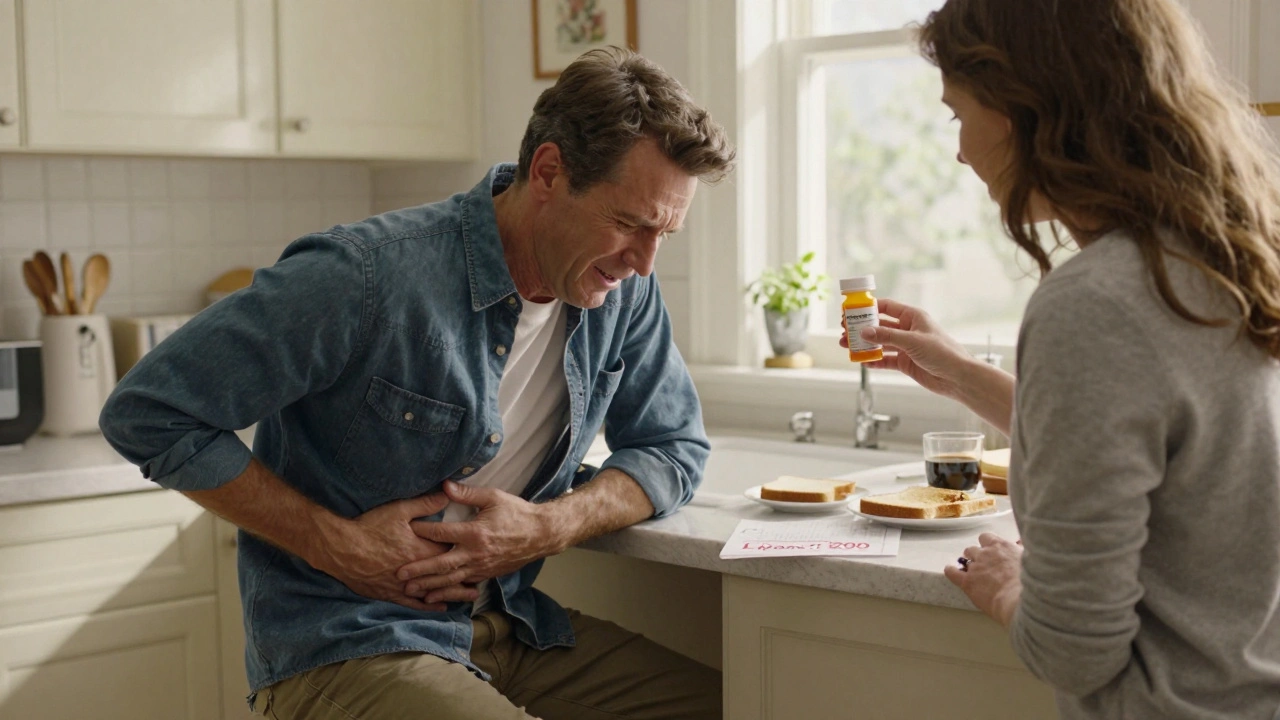
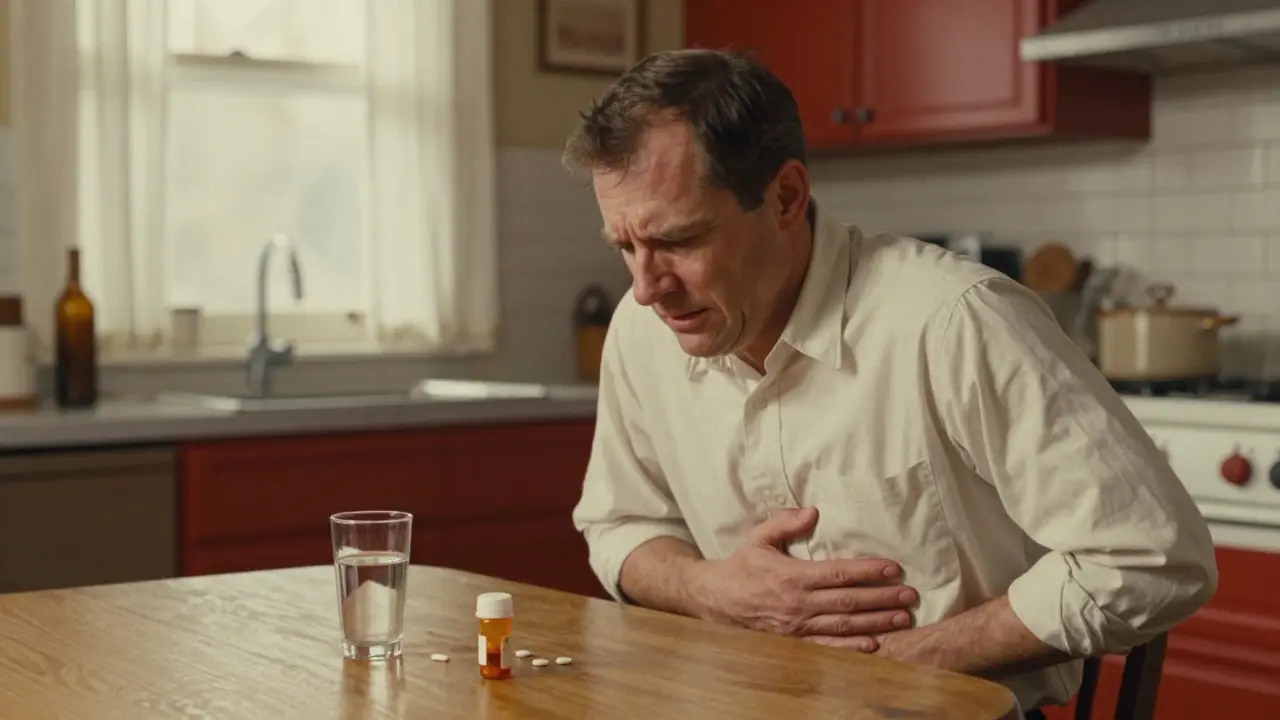
Have you ever swallowed a pill on an empty stomach only to feel a burning sensation in your gut or a wave of nausea shortly after? You are not alone. For millions of people managing chronic conditions, this discomfort is a daily reality. The solution often isn't stopping the medication-it's simply changing when you take it. Taking medication with food is one of the most effective, yet overlooked, strategies for reducing side effects while maintaining drug efficacy.
The relationship between what we eat and how our bodies process medicine is complex. Food does more than just fill the void in your stomach; it actively changes the chemical environment where drugs dissolve and absorb. Understanding these mechanics can turn a painful medical routine into a manageable part of your day.
Why Food Changes How Drugs Work
To understand why food helps, we need to look at what happens inside your digestive system. When your stomach is empty, it empties its contents into the small intestine quickly-usually within 15 to 30 minutes. This rapid transit means that many drugs pass through their primary absorption zone too fast to be fully absorbed, or they sit against the sensitive lining of the stomach for too long before moving on.
When you eat, two major things happen. First, food slows down gastric emptying. Instead of rushing out in half an hour, the mixture of food and medication stays in the stomach for 2 to 4 hours. This delay allows the drug tablet to dissolve completely before entering the small intestine, where about 90% of drug uptake occurs. Second, food stimulates the production of bile and enzymes, which can help break down certain medications, making them easier for the body to use.
This biological shift is crucial for bioavailability-the amount of active drug that actually reaches your bloodstream. For some medications, like the antifungal griseofulvin, taking them with a high-fat meal can increase absorption by 15% to 30%. Without that fat, the drug might not work as intended. Conversely, for other drugs, slowing down absorption prevents a sudden spike in blood concentration, which is often what causes dizziness or nausea.
Protecting Your Stomach Lining
The most common reason doctors advise taking pills with food is to prevent gastrointestinal irritation. Certain classes of drugs are inherently harsh on the stomach lining. Non-steroidal anti-inflammatory drugs (NSAIDs) like ibuprofen and naproxen are prime examples. These medications block enzymes called cyclooxygenase (COX) to reduce pain and inflammation, but those same enzymes also protect the stomach lining from acid.
Without food to buffer the acid and coat the stomach walls, NSAIDs can cause microscopic bleeding. Research indicates that patients taking NSAIDs on an empty stomach have a significantly higher risk of developing gastric ulcers compared to those who take them with meals. Endoscopic studies have shown mucosal damage in up to 38% of patients taking these drugs without food, versus only 12% when taken with a meal. That is a dramatic difference in safety.
Metformin, a widely prescribed medication for type 2 diabetes, is another example. Many users report severe gastrointestinal distress-including cramping, diarrhea, and bloating-when starting the drug. Clinical data suggests that taking metformin with food reduces these adverse events significantly. In user reviews analyzed by health platforms, over 60% of patients reported less distress when pairing the pill with a meal compared to taking it alone.

When Food Blocks Absorption
While food helps many drugs, it hinders others. Not every medication benefits from a meal. Some drugs require an acidic environment to dissolve properly, while others bind to specific nutrients in food, rendering them useless before they even enter your bloodstream.
Antibiotics provide a clear illustration of this danger. Tetracycline antibiotics, for instance, bind tightly to calcium. If you take tetracycline with milk, yogurt, or calcium-fortified orange juice, the drug binds to the calcium instead of being absorbed by your body. This interaction can reduce the antibiotic's effectiveness by up to 50%, potentially leaving an infection untreated. Similarly, fluoroquinolone antibiotics like ciprofloxacin suffer reduced absorption when taken with dairy or antacids containing magnesium or aluminum.
Thyroid medication is another critical category. Levothyroxine, used to treat hypothyroidism, has very narrow therapeutic windows. Studies show that taking levothyroxine with food-especially foods high in fiber, soy, or calcium-can reduce absorption by 30% to 55%. Patients who casually take their thyroid pill with breakfast often find themselves requiring higher doses to achieve normal hormone levels, leading to unnecessary fluctuations in their health.
| Medication Class | Example Drugs | Food Recommendation | Reason |
|---|---|---|---|
| NSAIDs | Ibuprofen, Naproxen | Take with food | Prevents stomach ulcers and irritation |
| Biguanides | Metformin | Take with food | Reduces nausea and diarrhea |
| Tetracyclines | Doxycycline, Tetracycline | Take on empty stomach | Calcium in food blocks absorption |
| Thyroid Hormones | Levothyroxine | Take on empty stomach | Food reduces absorption by up to 55% |
| Proton Pump Inhibitors | Omeprazole | 30 mins before meals | Requires acid activation for maximum effect |
The Grapefruit Juice Effect
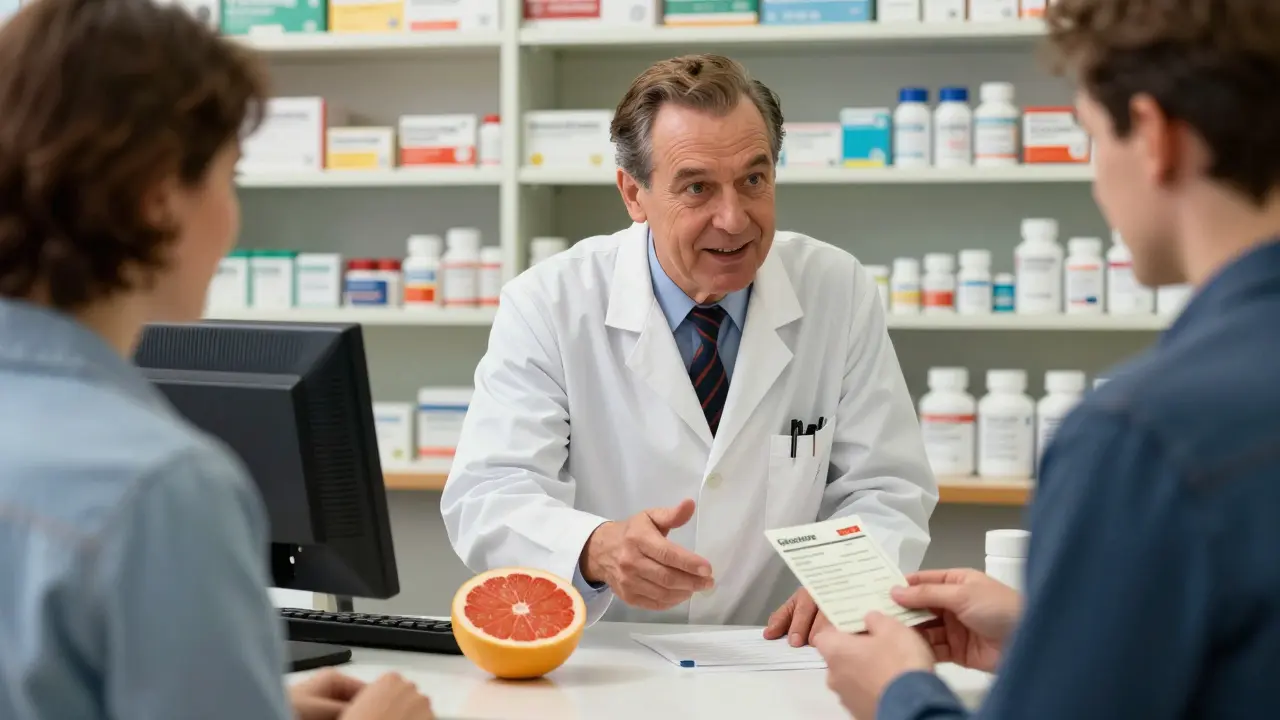
Not all food interactions involve solid meals. Beverages, particularly grapefruit juice, play a massive role in drug metabolism. Grapefruit contains compounds called furanocoumarins, which inhibit an enzyme in the small intestine known as CYP3A4. This enzyme is responsible for breaking down many common medications before they enter the bloodstream.
When you drink grapefruit juice, you effectively shut down this protective enzyme. As a result, much more of the drug enters your system than intended. For statins like simvastatin, this can increase blood levels by 9 to 15 times, raising the risk of muscle damage and liver toxicity. For immunosuppressants like cyclosporine, levels can skyrocket by 300% to 500%. The effect is long-lasting too; just one glass of grapefruit juice can inhibit these enzymes for 24 to 72 hours. It is not enough to just separate the pill and the juice by an hour-you must avoid the juice entirely if you are on sensitive medications.
Practical Steps for Better Management
Navigating these rules can feel overwhelming, especially if you take multiple medications (polypharmacy). Here is how to simplify the process:
- Read the Label Carefully: "Take with food" generally means consuming 250 to 500 calories. A few crackers might not be enough for drugs that require fat for absorption. "Take on an empty stomach" usually means one hour before or two hours after a meal.
- Use Technology: Apps like Medisafe allow you to input your medications and receive alerts based on food interactions. Clinical trials suggest such tools can reduce interaction errors by nearly 40%.
- Consult Your Pharmacist: Pharmacists are trained to spot these conflicts. If you are unsure, ask for a color-coded chart. Many hospitals now use systems that categorize meds as "must take with food," "must take without food," or "flexible."
- Be Consistent: For drugs like warfarin, consistency matters more than avoidance. Warfarin interacts with vitamin K found in leafy greens. You don't need to stop eating spinach, but you should eat a consistent amount every week so your dosage remains stable.
By treating food as a partner in your treatment plan rather than just sustenance, you gain control over your health. Small adjustments in timing can lead to significant improvements in how you feel and how well your medications work.
Does "take with food" mean I need a full meal?
Not necessarily a full meal, but you do need substance. For most medications, "with food" implies at least 250 to 500 calories. A substantial snack like a piece of toast with peanut butter or a bowl of cereal is often sufficient. However, for drugs that require fat for absorption (like certain antifungals), a low-calorie diet soda and a cracker won't work; you need dietary fat.
Can I take my morning vitamins with my coffee?
It depends on the vitamin. Iron supplements, for example, are best absorbed on an empty stomach but can cause nausea. Taking them with food reduces nausea but also reduces absorption. Vitamin D is fat-soluble, so it absorbs better with a meal containing fat. Coffee itself can interfere with the absorption of some minerals and thyroid medications, so it is often safer to wait 30 to 60 minutes after taking thyroid meds before drinking coffee.
Why does grapefruit juice interact with so many drugs?
Grapefruit juice contains furanocoumarins, which permanently disable the CYP3A4 enzyme in your intestines. This enzyme normally breaks down drugs before they enter your bloodstream. When it is disabled, a much larger dose of the drug enters your system, potentially leading to overdose symptoms. This effect lasts for days, so avoiding grapefruit entirely is the safest approach for sensitive medications.
What should I do if I forgot to take my medication with food?
If you realize immediately, eat something small like a banana or a handful of nuts. If the medication is known to cause stomach upset (like NSAIDs), try to lie down or rest until the food settles. Do not induce vomiting unless instructed by a doctor. For future doses, stick to the schedule. If you experience severe pain or vomiting, contact your healthcare provider.
Do protein shakes count as food for medication purposes?
Generally, yes. Protein shakes contain calories, proteins, and sometimes fats, which slow gastric emptying similarly to solid food. However, if the shake is fortified with calcium or iron, it might interfere with antibiotics like tetracyclines or fluoroquinolones. Always check the ingredient list for mineral content if you are on strict "empty stomach" medications.