Archive: 2025/12 - Page 2

Chronic Opioid-Induced Nausea: Diet, Hydration, and Medication Options That Actually Work
Chronic opioid-induced nausea affects up to one-third of long-term users. Learn practical diet, hydration, and medication strategies that actually work - backed by patient data and clinical research.
view more
Non-formulary generics: what to do when your insurance denies coverage
When your insurance denies coverage for a generic drug, you're not out of options. Learn how to appeal a non-formulary denial with proven steps, doctor tips, and real data on approval rates and costs.
view more
QT Prolongation and Sudden Cardiac Death from Medications: Key Risk Factors You Need to Know
QT prolongation from medications can lead to sudden cardiac death - but it's often preventable. Learn which drugs carry the highest risk, who's most vulnerable, and what steps you can take to stay safe.
view more
How to Understand Boxed Warning Label Changes Over Time
Boxed warnings are the FDA's strongest safety alerts for prescription drugs. Learn how these warnings evolve over time, why they change, and how to track updates to protect patient safety.
view more
Topical Analgesics: Lidocaine, Capsaicin, and NSAID Gels for Localized Pain Relief
Topical analgesics like lidocaine patches, capsaicin creams, and NSAID gels offer targeted pain relief with fewer side effects than oral meds. Learn how each works, who they help most, and how to use them right.
view more
How Age Affects Medication Side Effects and Tolerability in Older Adults
As people age, their bodies process medications differently, increasing risks of side effects, falls, and hospitalizations. Learn how kidney function, body composition, and drug sensitivity change after 65-and what you can do to stay safe.
view more
Foodborne Illnesses: Common Pathogens and How to Stay Safe
Learn about the most common foodborne pathogens like Salmonella, Listeria, and Norovirus, how they spread, and the proven steps you can take to protect yourself and your family from food poisoning.
view more
Barcode Scanning in Pharmacies: How It Stops Medication Errors
Barcode scanning in pharmacies cuts medication errors by up to 86% by verifying the right patient, drug, and dose every time. Learn how it works, where it fails, and why it's the most proven safety tool in modern pharmacy.
view more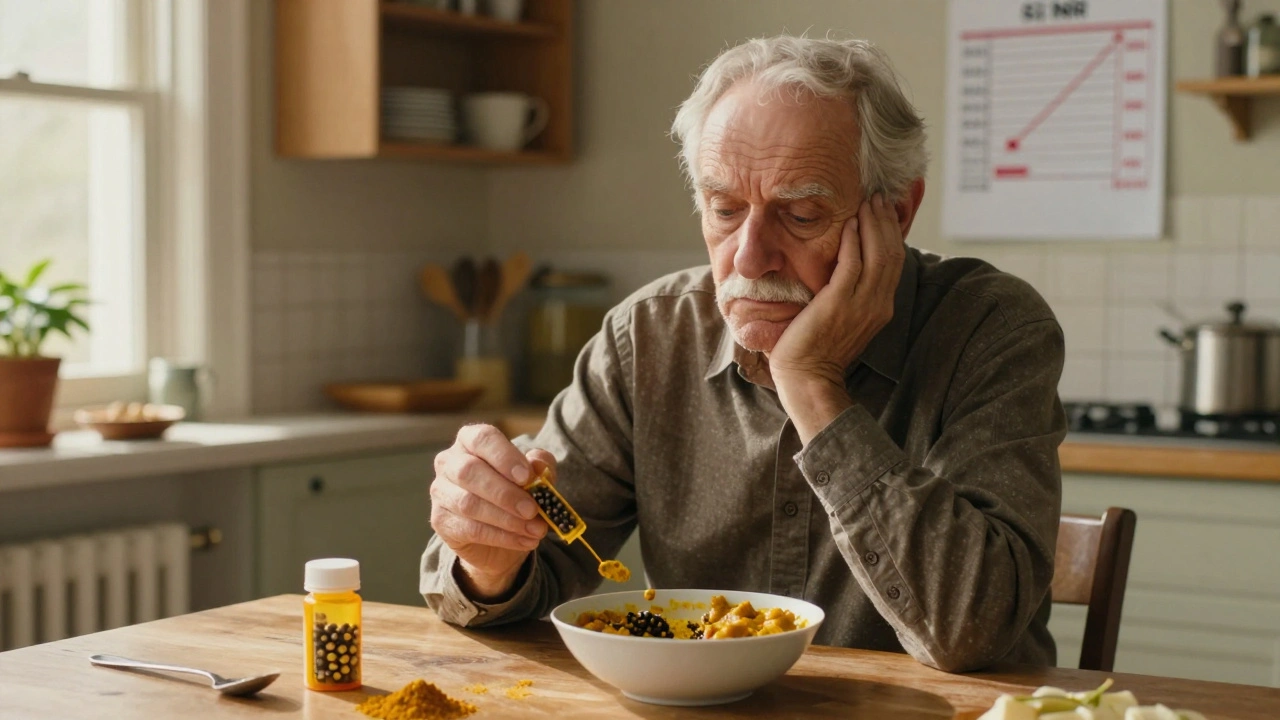
Turmeric and Black Pepper with Blood Thinners: What You Need to Know for Safety
Turmeric and black pepper supplements can dangerously increase bleeding risk when taken with blood thinners like warfarin or apixaban. Learn why even natural supplements can be life-threatening and what you should do instead.
view more
Biosimilar Medications: Are They Safe and Effective? The Real Facts
Biosimilar medications are proven to be as safe and effective as their brand-name biologics, with decades of real-world use and billions of patient doses supporting their use. Learn the facts behind the myths.
view more
Insulin, EpiPens, and Nitroglycerin: What Happens When They Expire
Expired insulin, EpiPens, and nitroglycerin can fail in emergencies, leading to life-threatening consequences. Learn the real expiration rules and how to stay safe.
view more
OTC Hemorrhoid Treatments: When to Self-Treat and When to See a Doctor
Most hemorrhoids can be managed at home with OTC treatments, but only if used correctly and for the right duration. Learn which products work best, when to stop self-treating, and when to see a doctor.
view more