Health and Medicine: Your Straightforward Guide
Ever felt swamped by complicated medical advice online? You’re not alone. Health and medicine shouldn’t be a guessing game. That’s why MedMonitor breaks things down into practical tips and real answers you can use. Whether you’re figuring out how to use ear drops, wondering about the side effects of your medication, or searching for the safest way to buy medicine online, you’ll find trusted information here.
Worried about ear infections? Check out our clear step-by-step guide to using ear drops. No confusing jargon, just what you need to know to feel better and steer clear of common mistakes. Or maybe you’re looking for an alternative to a medication that just isn’t working for you—like Omeprazole or Cialis. Browse our no-nonsense rundowns of the latest options in 2025, so you can chat with your doctor fully prepared.
Thinking about buying meds online? That’s risky if you don’t know what to look for. Our detailed posts walk you through safe pharmacy checks—like the 365-medstore.com review and tips on finding legit places for things like Betnovate or Atenolol. You’ll get checklists, red flags, and the kind of street-smart advice that could save you real money (and keep you healthier).
But health isn’t just about pills and prescriptions. It’s about facing tough life moments with good info, like what to expect if you’re managing Hodgkin’s disease during pregnancy or the honest scoop on fertility and treatment decisions. Or maybe you’re seeing weird changes—did you know some heart meds like Verapamil might be linked to weight loss? We pull apart the science and share what actual patients and doctors notice, not just what a pamphlet spells out.
This section covers mental health, too. If you’re hunting for alternatives to meds like Quetiapine or want to know how to handle post-cycle therapy with stacks like Clenbuterol and Nolvadex, our guides explain things in plain English (with no scary gaps or assumptions). When there’s a newer drug on the block—like Lumateperone—we lay out what’s different, who it might suit, and stuff to watch for.
No two people are the same, so your health questions deserve solid, human answers. Here, you get clear examples, straightforward facts, and insights drawn from real-life scenarios—like handling common side effects, navigating sensitive issues around pregnancy, or tackling ED treatments with an open mind. This page is packed with ways to help you get a little closer to peace of mind next time you need a health answer fast.

How to Ask for Alternatives if a Medication Is Not Working
If your medication isn't working, you have the right-and the power-to ask for alternatives. Learn how to prepare, speak up, and explore real options with your doctor, backed by clinical research and patient success stories.
view more
Prescription Label Layouts: Why Your Medication Bottle Looks Different
Prescription labels vary wildly across pharmacies and states, confusing patients and increasing medication errors. Learn why your bottle looks different each time-and what you can do to stay safe.
view more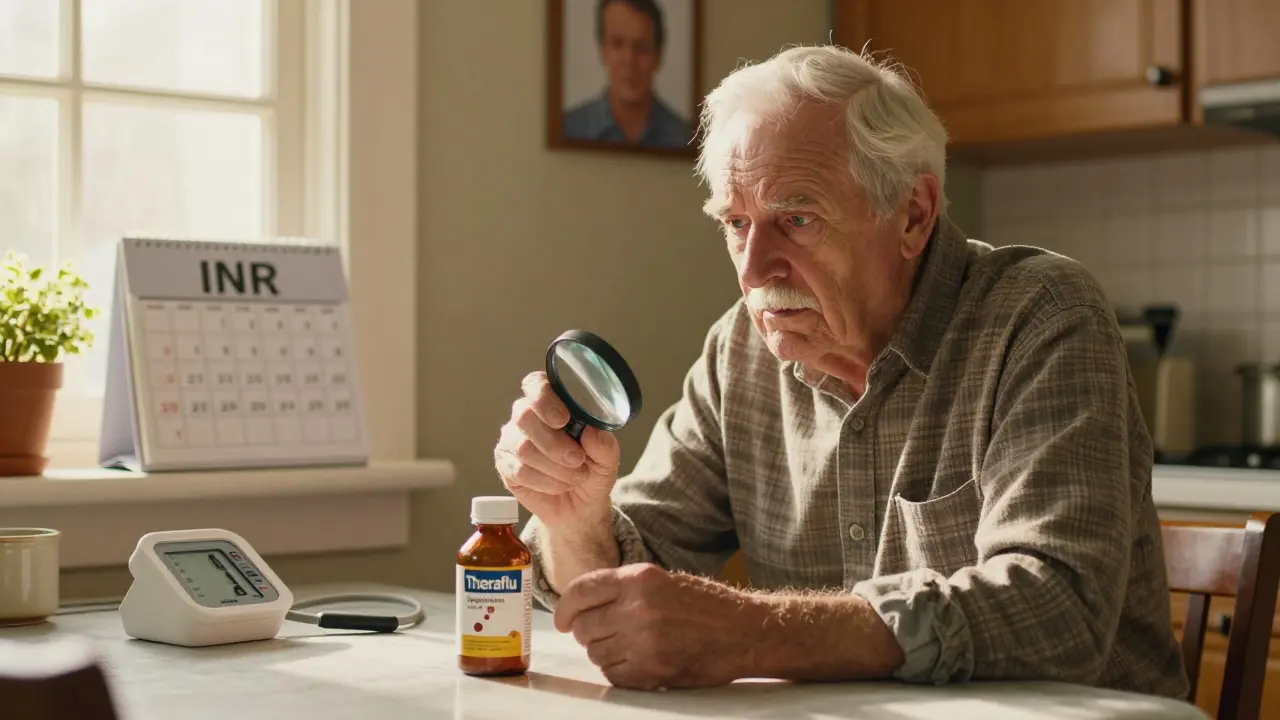
OTC Cold Medications and Warfarin: Avoiding Dangerous Interactions
Warfarin users must avoid common OTC cold meds like ibuprofen and aspirin due to dangerous bleeding risks. Learn which cold remedies are safe, how to read labels, and what to do if you accidentally take a risky drug.
view more
Anticoagulants in Seniors: Fall Risk vs. Stroke Prevention
Anticoagulants prevent strokes in seniors with atrial fibrillation-but many stop them out of fear of falls. Evidence shows stroke risk far outweighs fall-related bleeding. Learn why DOACs like apixaban are safer and how to reduce fall risk without stopping treatment.
view more
Child Medication Switches: Pediatric Considerations with Generics
Switching children to generic medications can save money - but it can also put their health at risk. Learn why pediatric drug switches are different, which medications are most dangerous to change, and what parents need to know to protect their child.
view more
Oral Thrush from Medications: How to Treat and Prevent It
Oral thrush is a common side effect of medications like inhalers and antibiotics. Learn how nystatin and fluconazole treat it, why prevention matters, and how to avoid recurrence with simple daily habits.
view more
Preventing Kidney Disease: Key Risk Factors and Proven Lifestyle Changes
Learn the top risk factors for kidney disease and proven lifestyle changes that can prevent it. From diet and exercise to blood pressure and medication safety, this guide gives you actionable steps to protect your kidneys before it's too late.
view more
Generic Drug Prices in the US vs Europe: Why Americans Pay Less for Off-Patent Medicines
Americans pay less for generic drugs than Europeans due to fierce competition, while paying far more for brand-name drugs. This gap exists because of how each system negotiates prices-and who funds global drug innovation.
view more
How to Coordinate School Nurses for Daily Pediatric Medications
Coordinating daily pediatric medications in schools requires strict protocols, trained staff, and clear documentation. Learn how the Five Rights, IHPs, and state regulations ensure safety and compliance.
view more
Decision Aids for Switching Medications: Risks and Benefits
Decision aids help patients understand the real risks and benefits of switching medications, using clear visuals and personalized questions to align treatment with personal values. They reduce confusion, improve knowledge, and lead to better adherence.
view more
Sweating and Hot Flashes Caused by Medications: Relief Strategies That Work
Sweating and hot flashes from medications affect millions, often leading people to stop essential treatments. Learn evidence-based strategies to reduce these side effects without quitting your meds.
view more
Noise Exposure Limits: Protecting Your Hearing at Work and Concerts
Noise exposure limits are science-backed thresholds to prevent hearing damage. Learn key differences between OSHA and NIOSH standards, practical steps for work and concerts, and how new tech is improving hearing safety. Preventable hearing loss affects millions yearly-knowing these limits can save your hearing.
view more