Category: Health and Medicine - Page 2

Acupuncture for Pain: What Science Says About This Ancient Treatment
Acupuncture is a proven, non-drug option for chronic pain like back pain, knee arthritis, and headaches. Science shows it reduces pain better than no treatment and matches drugs-with far fewer side effects.
view more
Pancreatitis: Understanding Acute vs. Chronic and the Role of Nutrition in Recovery
Understand the difference between acute and chronic pancreatitis, how nutrition impacts recovery, and what treatments like enzyme therapy and diet changes can do to improve your quality of life.
view more
Bioequivalent medications: what the term really means
Bioequivalent medications are generic drugs proven to work the same as brand-name versions in the body. Learn how the FDA tests them, why they're safe, and when to be cautious - backed by data and real-world evidence.
view more
Boxed Warning Changes: How FDA Drug Label Updates Are Tracked Over Time
Boxed warnings are the FDA's strongest safety alerts for prescription drugs, highlighting life-threatening risks. Learn how these warnings are added, updated, and tracked over time-and why staying informed can save lives.
view more
Future Economic Trends: Forecasts for Generic Drug Markets
Generic drugs are set to transform global healthcare by 2030, with forecasts predicting a $600B+ market driven by patent expirations, biosimilars, and cost pressures. Asia leads production, while technology and policy shape the future.
view more
Elderly Renal Impairment: How to Adjust Medication Dosing to Avoid Toxicity
Elderly patients with kidney impairment are at high risk of medication toxicity. Learn how to adjust doses safely using kidney function tests, common high-risk drugs, and proven clinical strategies to prevent hospitalization and death.
view more
Oral Food Challenges: Safety and Diagnostic Value in Allergy Diagnosis
Oral food challenges are the most accurate way to diagnose food allergies, cutting through false positives from blood and skin tests. Learn how they work, why they’re safe, and how they help people eat freely again.
view more
Fever Medication for Kids: Acetaminophen vs. Ibuprofen Safety Guide
Learn the safest and most effective ways to treat fever in kids with acetaminophen and ibuprofen. Get clear dosing guidelines, safety tips, and what new research says about asthma risks and long-term use.
view more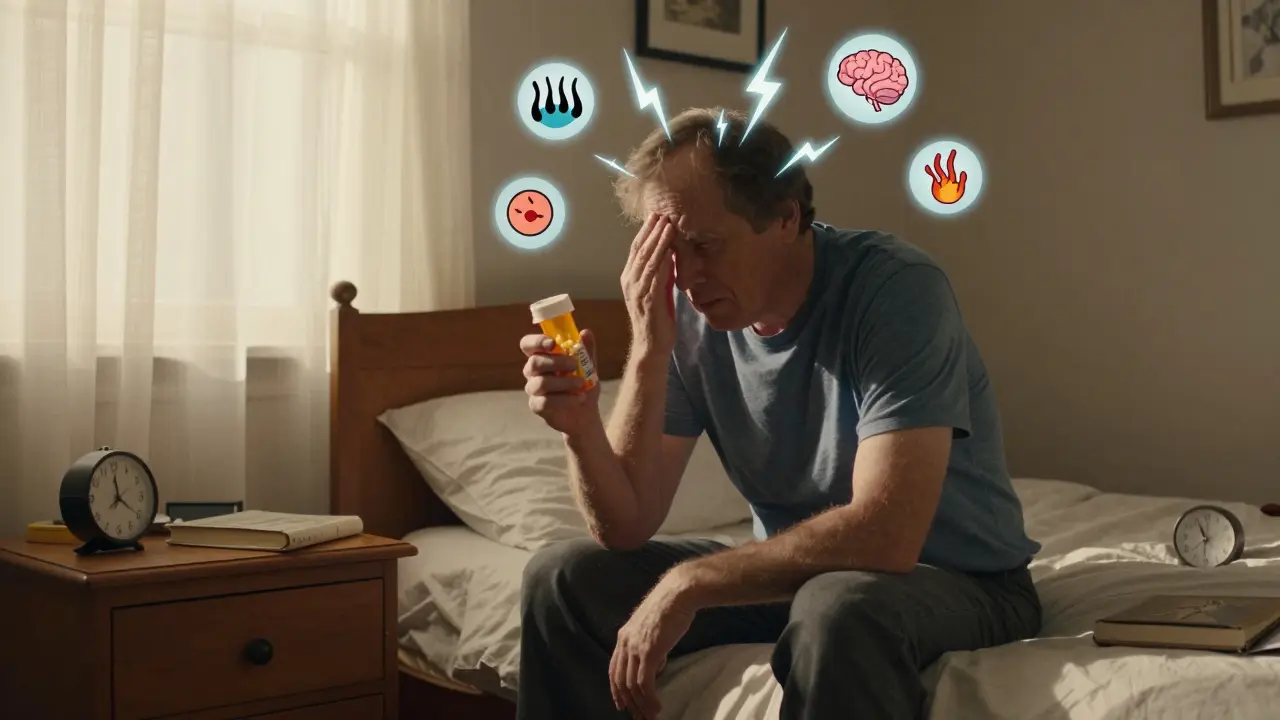
Antidepressant Discontinuation Syndrome: How to Recognize and Manage Withdrawal Symptoms
Antidepressant discontinuation syndrome causes physical withdrawal symptoms like brain zaps, dizziness, and nausea when stopping medication too quickly. Learn how to recognize it, avoid misdiagnosis, and taper safely under medical supervision.
view more
Best Digital Tools for Patient Education: Apps and E-Learning Platforms in 2026
Discover the best digital tools and apps for patient education in 2026. Learn how apps like MyTherapy, Khan Academy Health, and Ada can help patients understand their conditions, take meds correctly, and manage chronic illness with confidence.
view more
How to Ask for 90-Day Medication Supplies to Cut Pharmacy Visits
Learn how to ask your doctor and insurer for a 90-day supply of maintenance medications to reduce pharmacy visits, save money, and improve adherence. Proven strategies for hypertension, diabetes, cholesterol, and more.
view more
Provider Case Studies: Real-World Experiences with Generic Medications
Real provider experiences with generic medications reveal that while most generics work just as well as brand-name drugs, caution is needed for narrow therapeutic index medications. Learn when substitution is safe-and when it’s not.
view more